No, experiential marketing and stunt marketing are not the same thing, though they share enough DNA that brands may confuse them. Both appear in public spaces, aim to generate buzz, and can drive strong social media pickup. Where they diverge is in structure, duration, and what a brand walks away with after the campaign ends.
Brands that treat these two strategies as interchangeable risk building campaigns around the wrong goals and measuring the wrong outcomes. A brand expecting sustained consumer engagement from a one-time stunt will likely be disappointed, just as a brand expecting a national media moment from a regional sampling tour may miss the mark.
What Experiential Marketing Is
Experiential marketing puts consumers in direct, face-to-face contact with a brand. Product sampling tours, branded mobile activations, and special marketing projects all fall into this category because they create real interactions where people can see, touch, and try a product in person. These are not one-time special events designed around a headline moment.
How Experiential Marketing Campaigns Run
Campaigns involve creating logistics operations built around schedules, routes, staffing, and permits that put branded vehicles in front of consumers across multiple cities and events. A single experiential marketing campaign can span weeks or months, moving through different markets, hitting festivals, retail corridors, and college campuses along the way. Each stop is planned in advance, with routes designed around where the target audience is most likely to be at a given time.
The Stunt Marketing Strategy
A stunt marketing strategy is built around one high-impact moment. A brand executes a dramatic public action, an unexpected installation, or a PR stunt designed to earn media coverage and social media amplification as fast as possible.
When a Stunt Makes Sense
PR stunt campaigns are engineered for reach first and direct consumer interaction second. A brand that needs to announce something loudly to a broad audience in a compressed timeframe has a strong argument for stunt marketing. These are separate tools built for separate goals, and treating them as the same thing leads to campaigns that are unclear about what they are trying to accomplish.
The Main Differences Between Experiential and Stunt Marketing
The separation between experiential marketing and stunt marketing comes down to how each one is structured and what it produces. PR stunts are built around a single production with one target outcome: media pickup. An experiential marketing campaign is a logistics operation with routes, vehicles, staffing, permits, and performance data collected across every market it runs through.
Campaign Duration
Duration is where the split shows up plainest. Stunt marketing lives in a single moment or one day. Experiential marketing campaigns run on schedules that put branded vehicles in front of consumers across multiple cities and special events over weeks or months.
Experiential Marketing Vehicles
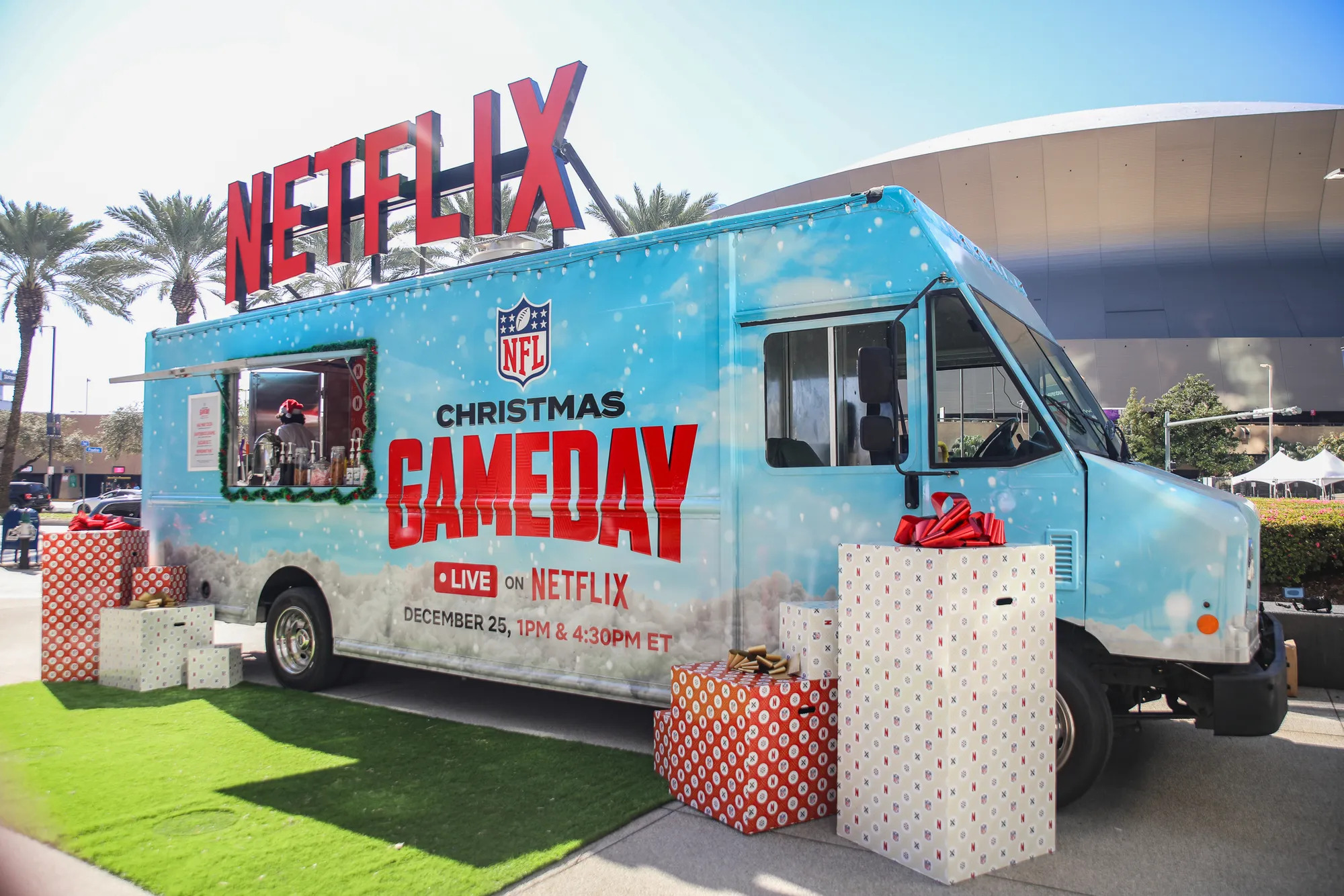
Experiential campaigns often include mobile tours, which use purpose-built vehicles designed to function as branded spaces that travel to where consumers already are. Formats range from LED billboard trucks built for high-visibility street-level advertising to stage trailers that open into full activation spaces for live demos and product sampling.
Lime Media has a fleet of 250+ vehicles, including these types:
- LED Billboard Trucks: Mobile digital displays with 11-foot side panels and 7-foot rear panels running full-motion video, animations, and real-time content updates, powered by 25KW generators
- Glass Trucks: 12-foot, 16-foot, and 24-foot transparent vehicles with on-board generators, interior LED lighting, A/C, and white wall interiors that let consumers see and interact with products up close through three glass walls
- Stage Trailers: 24-foot and 32-foot configurations that open on multiple sides to create fully branded activation spaces for live demonstrations and product sampling, with on-board generators, base electrical, and ADA-accessible options
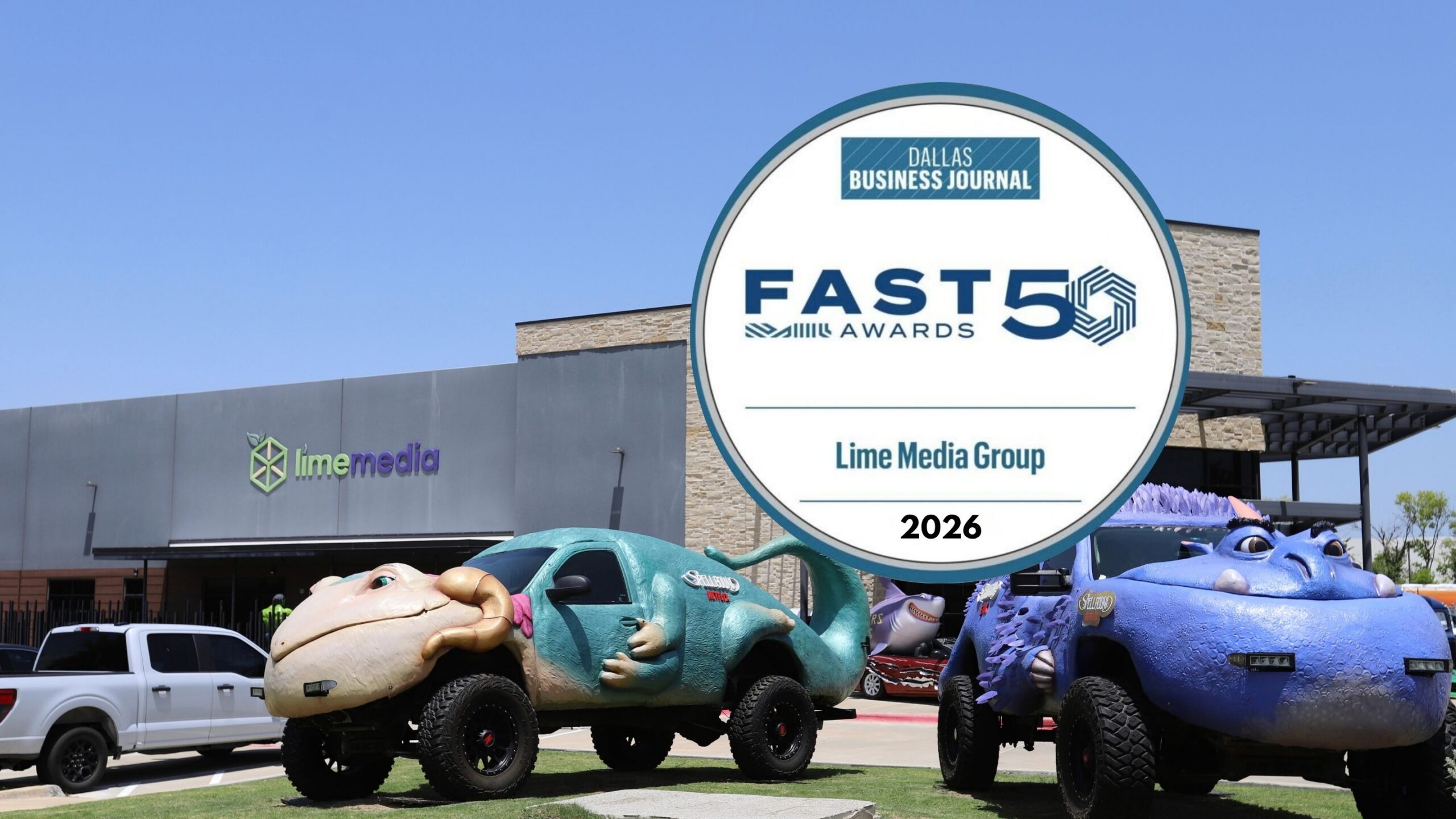
- Special Marketing Projects: Custom 3D builds ranging from 600 to 2,000-plus labor hours per unit, constructed on vehicle chassis using steel wire frames, foam sculpting, fiberglass, and vinyl, producing large-scale brand activations like driving product replicas and custom character builds
How Each Campaign Is Measured
Stunt campaigns track media pickup volume and social media reach. Experiential marketing LED mobile billboard campaigns track GPS routes, hours, and impression data through proprietary apps built for real-time performance reporting, giving brands a documented picture of where the campaign ran and how each market performed.
Mobile Vehicles Close the Gap Between Brand and Consumer
A mobile activation follows the audience rather than waiting for them to arrive. A fleet of branded vehicles can cover retail districts, competitor locations, festivals, and campus events within the same campaign window, reaching consumers where they are most likely to engage.
Built to Stop Traffic
The vehicle does the work before any staff interaction happens. A 32-foot stage trailer opening its sides creates a fully branded activation space at street level. An LED billboard truck running full-motion video through a city puts the brand in front of pedestrians and drivers on their normal routes.
Where Consumer Interaction Happens
Product sampling, live brand demonstrations, and consumer-generated content give people a reason to remember a brand, share it on social media, and buy it when they see it on a shelf weeks later. At a stage trailer activation, that might look like a dermatologist walking someone through a skincare routine on-site, creating a direct, personal brand interaction at street level.
Lime Media Campaign Examples
These three Lime Media activations show what separates a sustained experiential marketing campaign from a one-time stunt: planned routes, branded vehicles, direct consumer engagement, and results measured across weeks and months.
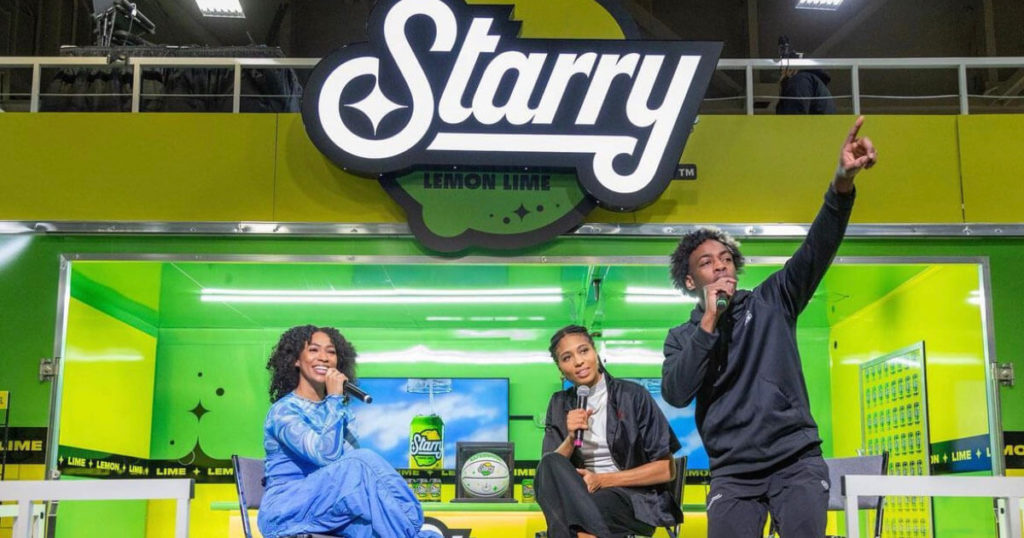
- CeraVe Drama-Free Cleansing Tour: Lime Media brought CeraVe’s cleanser campaign to NYC, Chicago, Nashville, and Atlanta in July and August 2024 using a 32-foot stage trailer. The tour educated consumers about skincare routines through interactive games, skin consultations with certified dermatologists, a branded green screen photo op, and city-specific giveaways. The activation distributed 25k CeraVe products, directly engaged 16k+ consumers, and generated 60M+ social impressions.
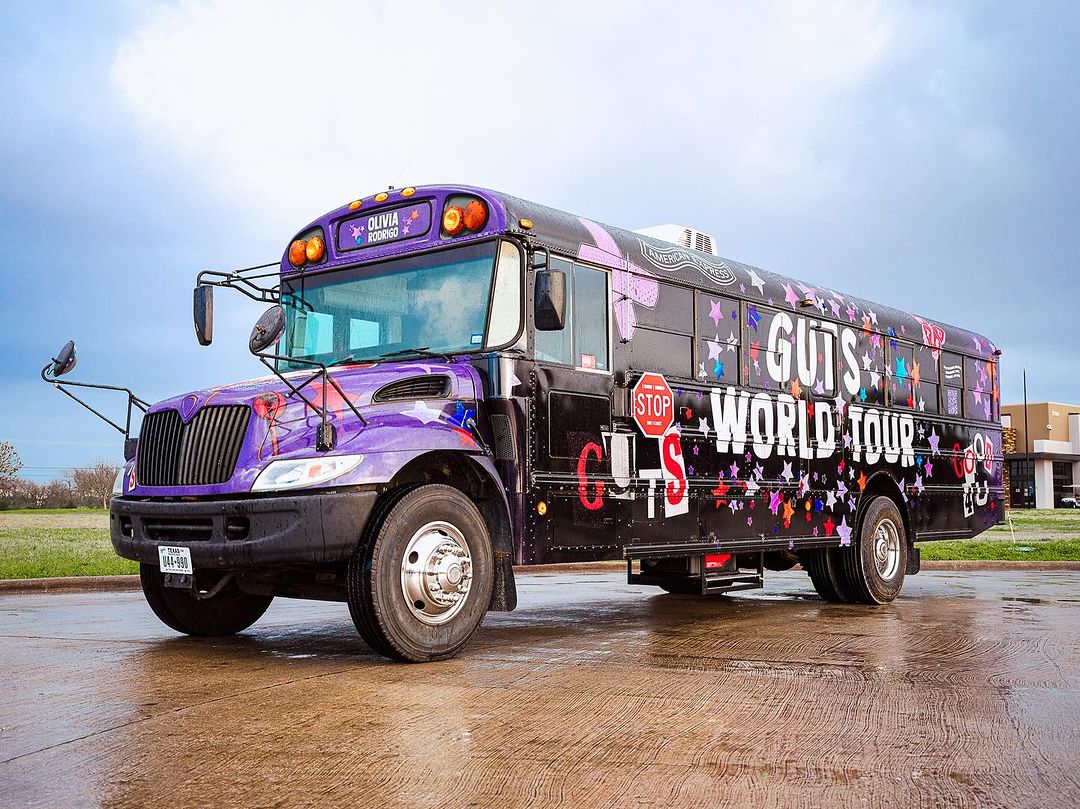
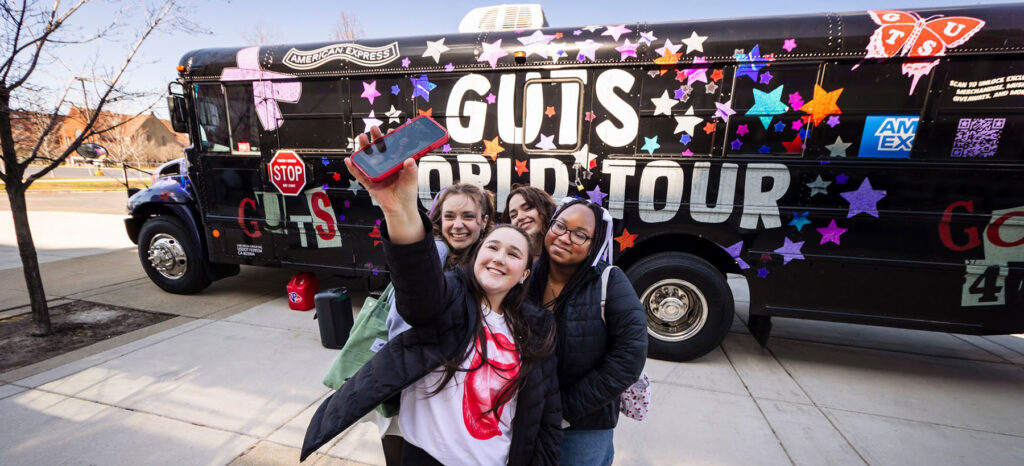
- Olivia Rodrigo GUTS Bus: Lime Media built and operated a custom 34-foot school bus that traveled to 45 cities nationwide from March 2024 through March 2025 as an interactive fan experience for Olivia Rodrigo’s GUTS World Tour. The campaign drew 81.6k+ attendees and generated 90M+ earned media impressions.
- AT&T LED Truck Campaign: Lime Media deployed 15 LED billboard trucks nationwide from February through December 2021 to raise awareness of AT&T’s new product offerings across newly laid fiber infrastructure, activating in 475 markets for 120 hours per market.
Lime Media: Experiential Marketing Campaigns Across the US and Canada
Lime Media operates 250+ mobile vehicles, including LED billboard trucks, glass display units, custom trailers, Airstreams, and 3D product replicas across the US and Canada. Everything from vehicle fabrication and route planning to staffing and activation management is handled in-house.
Campaigns range from single-market product launches to national tours running across hundreds of markets over many months. The custom build team has produced driving almonds, branded school buses, monster trucks, and gold bars built from steel frames, foam sculpting, fiberglass, and vinyl. Contact us to build your next mobile campaign.
Frequently Asked Questions
Is experiential marketing stunt marketing?
Experiential marketing and stunt marketing are not the same. Campaigns run for weeks or months across multiple markets using mobile vehicles and direct consumer interactions, while a stunt is a moment built for media coverage.
Which vehicles support experiential marketing campaigns?
Experiential campaigns run on purpose-built formats, including LED billboard trucks, glass trucks, stage trailers, and custom 3D product replicas. Each one is designed to function as a branded space that travels to where consumers already are.
What separates a stunt marketing activation from a mobile experiential campaign?
The separation comes down to duration and structure. A stunt is a one-time production, while a mobile experiential campaign involves branded vehicles, route planning, and performance tracking across an extended multi-market program.
How does a branded mobile activation build on what a stunt marketing moment starts?
A mobile activation turns short-term buzz into sustained consumer contact. Custom vehicles running through festivals, retail districts, and college campuses create product sampling opportunities and lasting impressions that carry into purchase decisions.