How Do I Advertise on a Digital Billboard?
A Guide to Mobile LED Truck Campaigns

How Do I Advertise on a Digital Billboard? A Guide to Mobile LED Truck Campaigns

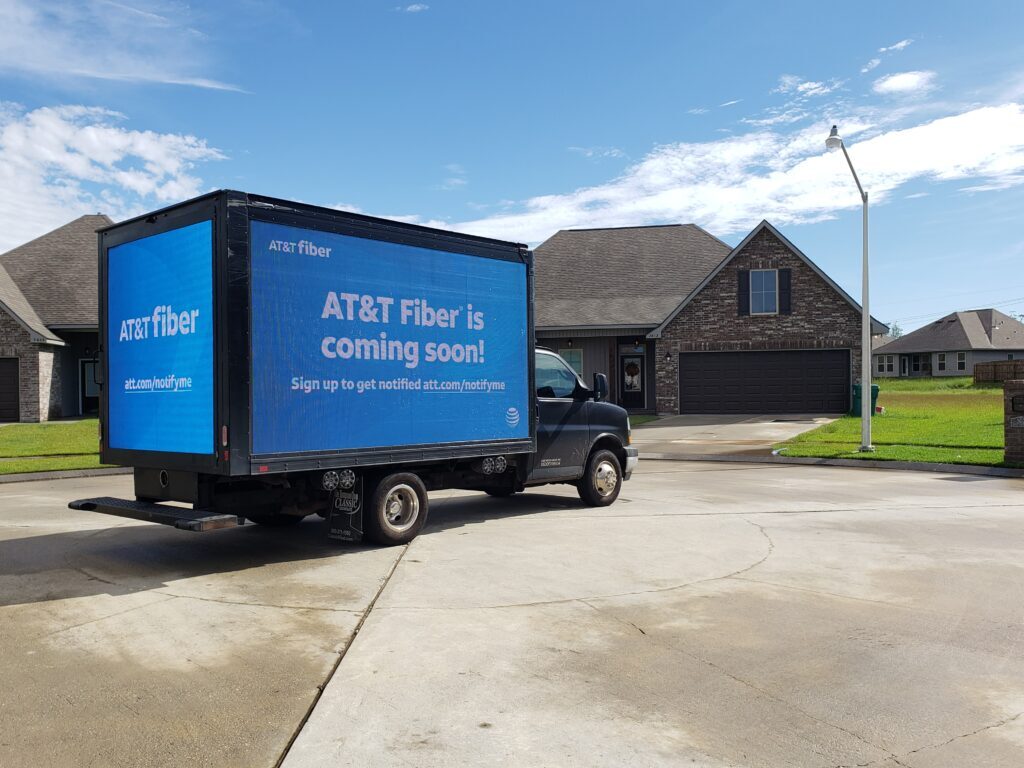
Digital billboard advertising puts your brand in motion, reaching audiences at festivals, sporting events, business districts, and high-traffic areas wherever they gather. Mobile LED trucks display full-motion video, animations, and dynamic content at street level, giving brands the flexibility to follow their audience across multiple locations within a single campaign.

The sections below break down how digital billboard advertising works, from route planning and campaign tracking to the strategies and industries driving results with mobile LED trucks.

How Mobile LED Billboard Trucks Work

Mobile LED billboard trucks reach audiences by driving directly to the locations where they gather, from festival grounds and sporting events to business districts and college campuses. Routes are planned around peak traffic periods and adjusted in real time based on performance data, giving advertisers flexibility.

How GPS Tracking Measures Digital Billboard Campaign Performance

Every digital billboard campaign generates route data showing streets covered, time spent in each area, and total impressions delivered. Third-party analytics groups can layer geofencing onto this GPS data to measure how many people exposed to digital billboard ads later visited retail locations, turning impression data into verifiable proof of ROI. Lime Media’s proprietary Lime platform takes this further, capturing and validating campaign delivery in real time through onboard smart technology, location intelligence, and audience mobility data.

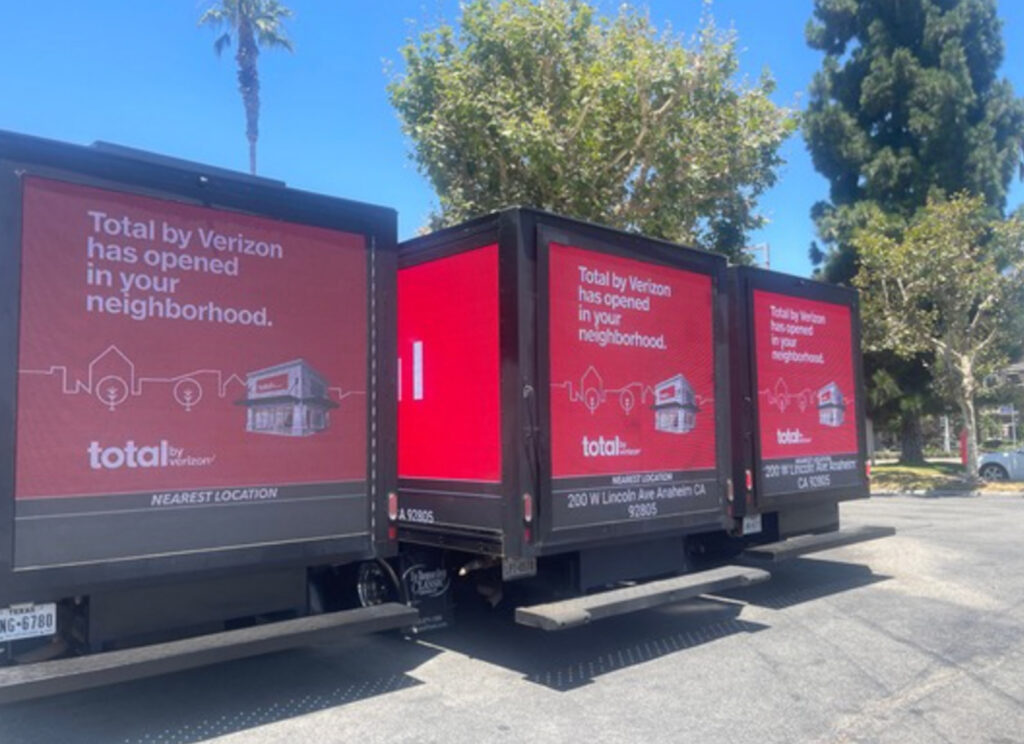
Total Wireless by Verizon ran third-party verified LED truck campaigns across Chicago and Miami to measure the direct impact on retail store visits. The Chicago campaign ran for 43 days across 8 stores, producing a 45% increase in foot traffic, 2,688 net new retail visits, and an average conversion time of 2 days from ad exposure to store visit. Miami’s 60-day campaign across 19 stores generated a 30.08% increase in foot traffic, 2,234 net new retail visits, and an average conversion time of 7.8 days. Both studies tracked exposed audiences against control groups using impression tracking and geofencing.

Permits, Routes, and Logistics for Digital Billboard Campaigns

Permit requirements for digital billboard routes vary by city, with some municipalities requiring route-specific approvals before trucks can operate and others covering LED trucks under standard commercial vehicle regulations. Route planning accounts for permit timelines, traffic patterns, and parking availability across every market.

Learn how mobile LED billboard truck advertising drives real-world results for brands across retail, telecom, entertainment, and more.

Digital Billboard Advertising Strategies That Drive Results

Getting the most out of a digital billboard campaign comes down to three things: being in the right place, at the right time, with the right message. Mobile LED billboard trucks make all three variables adjustable, which is what separates a well-planned campaign from one that just logs miles.

A few strategies that consistently produce strong results:

The most effective campaigns combine several of these strategies within a single tour, adjusting routes and timing as performance data comes in. Lime Media handles route planning, permit acquisition, and logistics coordination across every market, so brands can focus on the campaign itself rather than the planning behind it.

Industries That Use Digital Billboard Advertising

Digital billboard advertising works across a wide range of industries because mobile LED trucks can follow any audience to any location. From product launches and retail drives to entertainment premieres and financial services campaigns, brands use mobile LED advertising when they need to reach people in the physical world at scale.

Industries that could benefit from digital billboard campaigns include:

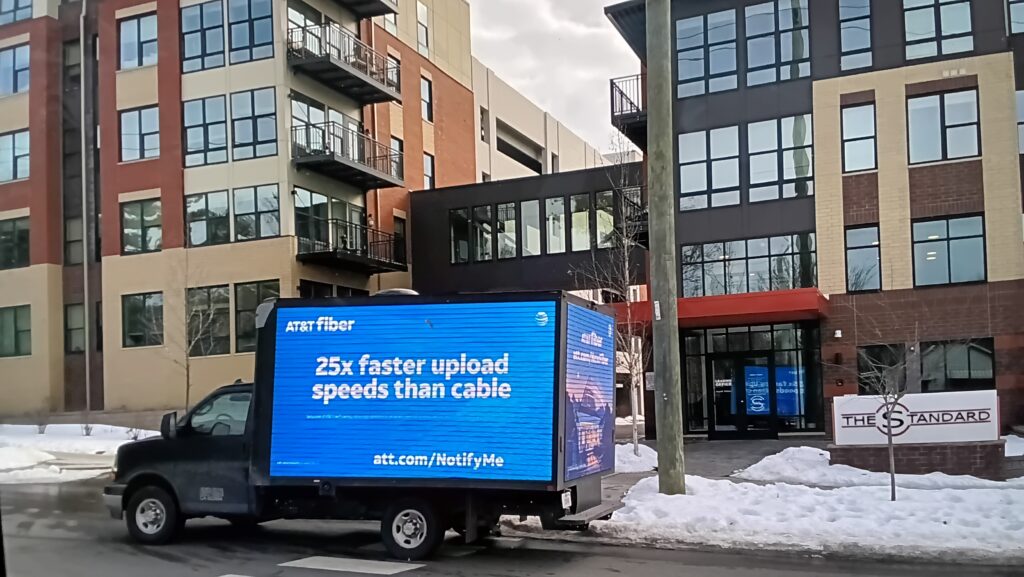
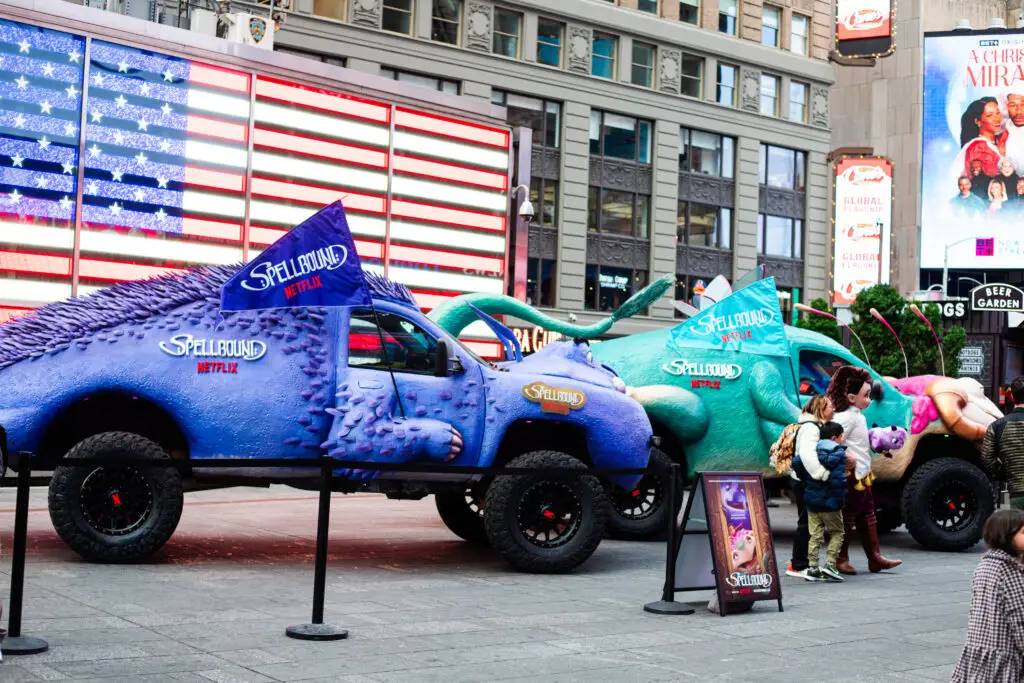
Lime Media has partnered with brands like AT&T, Walmart, Netflix, and Olivia Rodrigo’s GUTS World Tour on mobile campaigns. Visit Lime Media’s work page to explore real-world campaigns across retail, telecom, entertainment, and more.

Why Brands Choose Lime Media for Digital Billboard Advertising

Lime Media is a full-service experiential marketing agency with 20+ years in the business and a fleet of 250+ vehicles, including 80 LED billboard trucks deployed nationwide. Our LED billboard trucks feature 11-foot side panels and 7-foot rear panels powered by 25KW generators, with smart directional programming that uses geo-targeting data to list a nearby address with your brand’s message displayed on the truck, driving consumers to your closest location. Lime’s proprietary measurement and attribution platform captures and validates campaign delivery in real time through onboard smart technology, location intelligence, and audience mobility data.

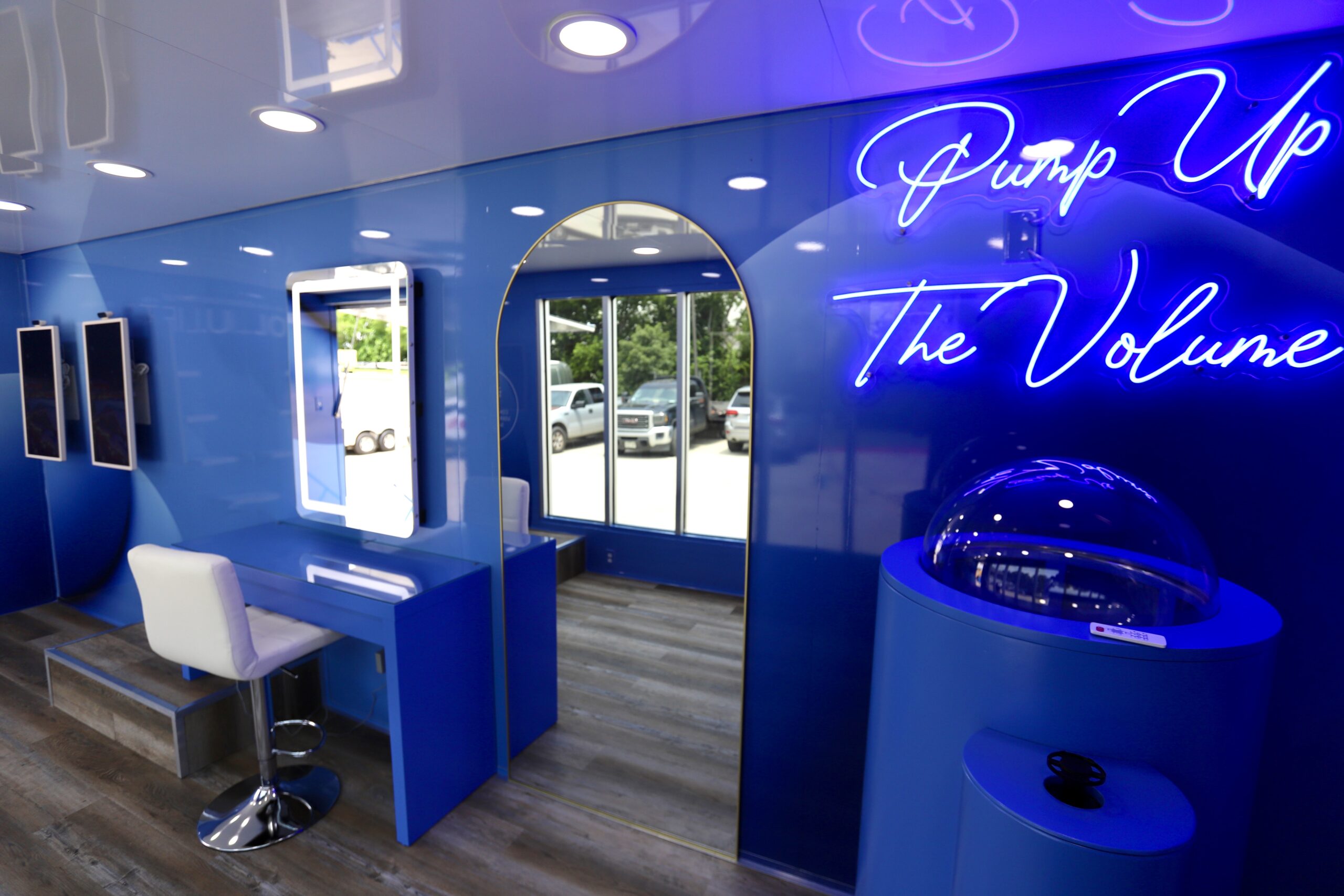
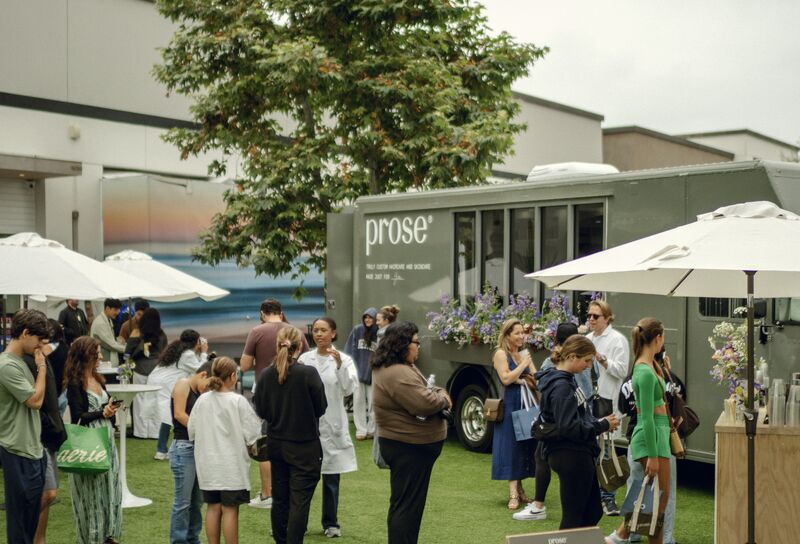
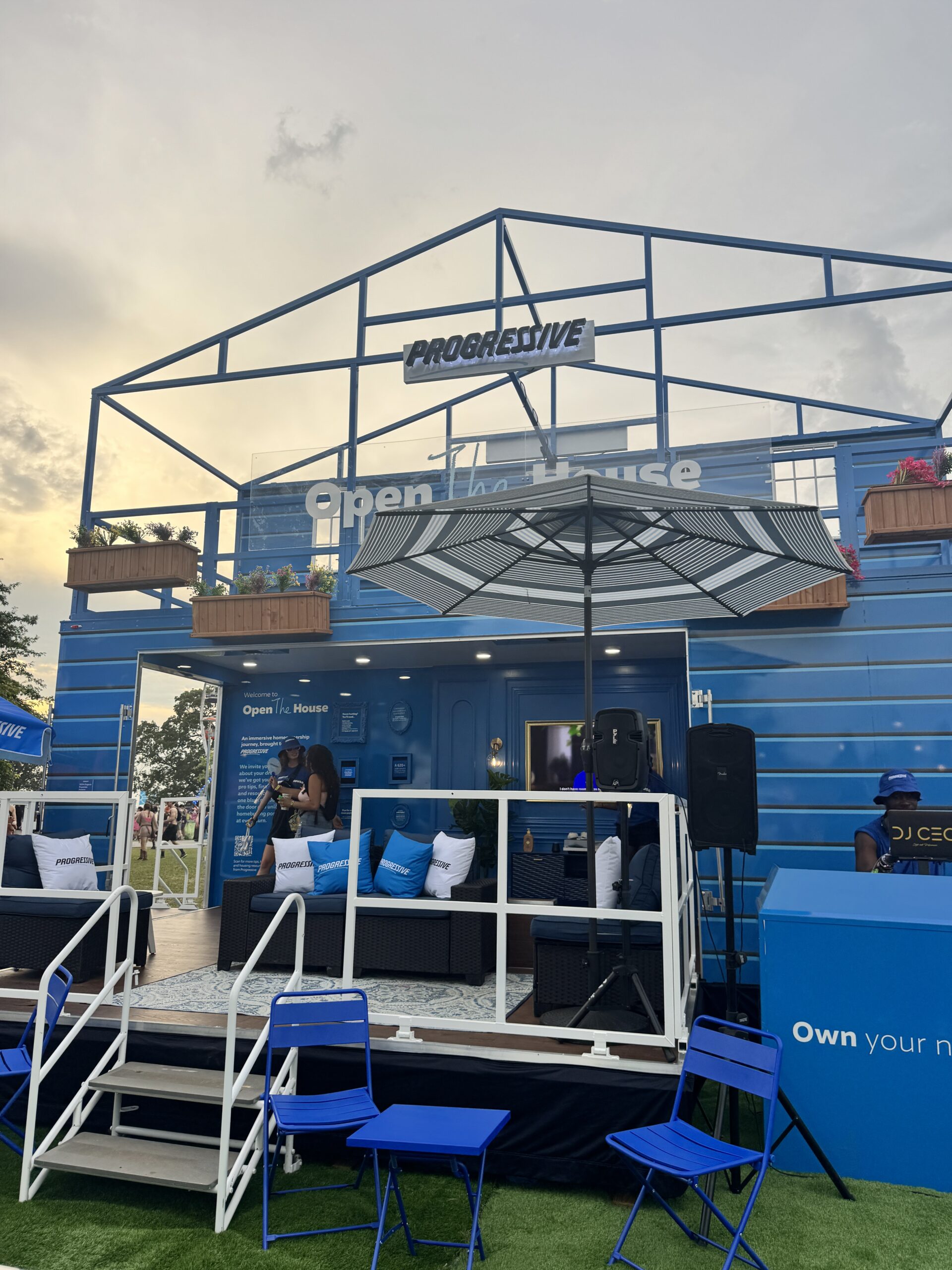
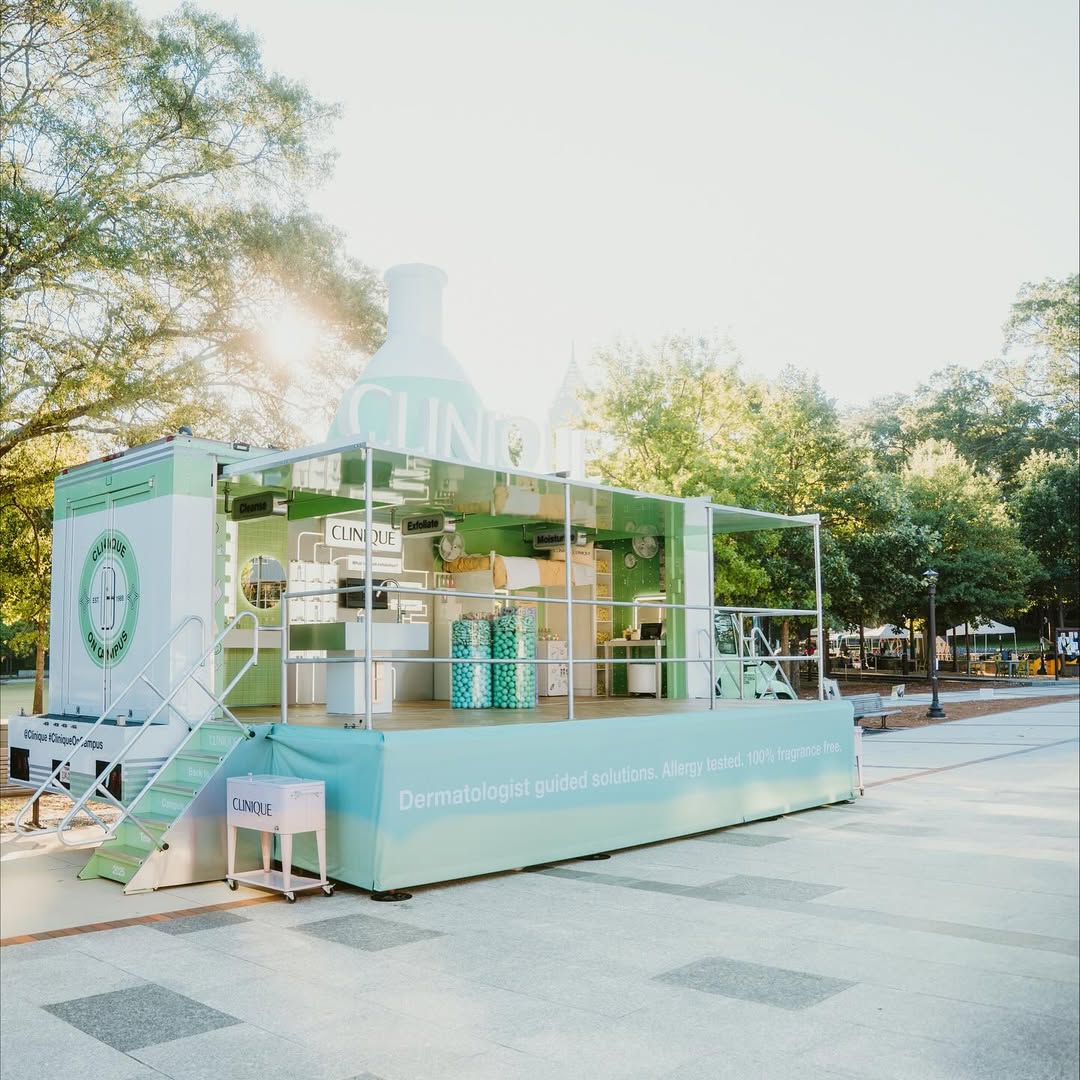
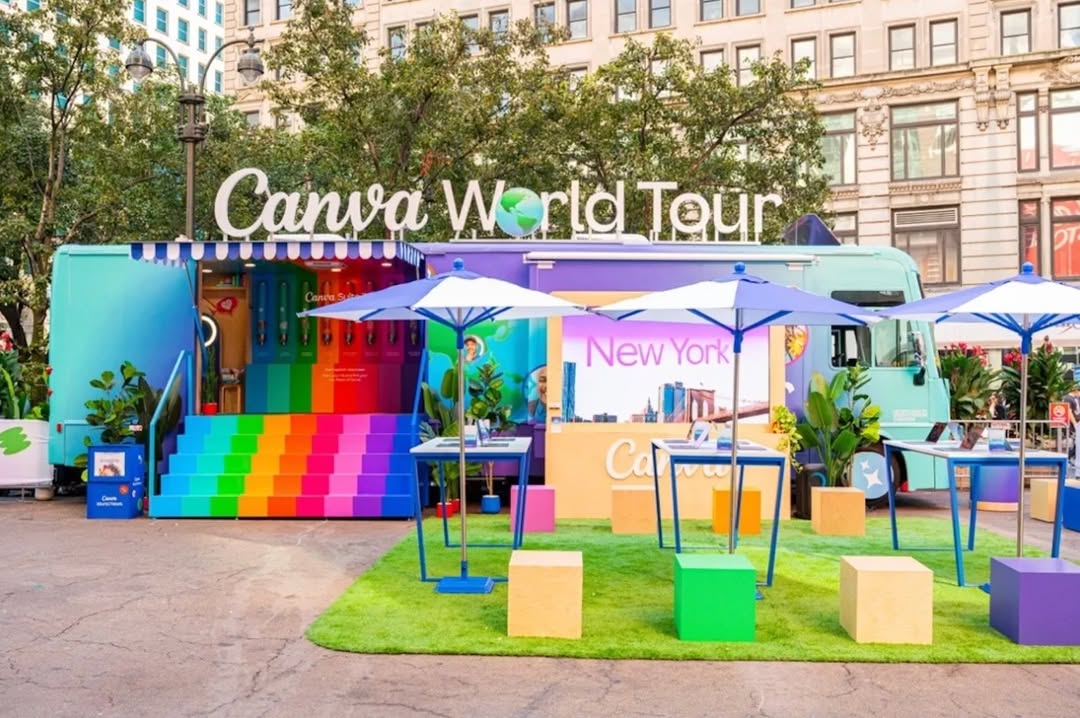
Beyond LED billboard trucks, Lime Media’s fleet includes glass display trucks, custom trailers, Airstreams, stage trucks, school buses, and custom 3D product replicas built to stop traffic and generate social media attention at every stop. We handle every element of your campaign from route planning and permit acquisition to staffing, content management, and real-time performance tracking across the US and Canada.

Get a quote today to start planning your digital billboard advertising campaign with Lime Media.

featured experiential projects

create. engage. move.    create. engage. move.    create. engage. move.    

Frequently Asked Questions

How do I advertise on a digital billboard?

Digital billboard advertising on mobile LED trucks involves booking a campaign, submitting ad creative, and working with the provider to plan routes based on target audience locations. GPS tracking and content management systems handle performance reporting and remote content updates throughout the campaign.

Digital billboard advertising cost depends on campaign duration, number of trucks, and geographic coverage. A single-market campaign differs significantly in scope and cost from a multi-truck national deployment running across dozens of markets.

Digital billboards work best at festival grounds, sports venues, entertainment districts, college campuses, and business districts during peak hours.