Brand experience determines whether someone becomes a customer or walks away. Every touchpoint shapes how people remember a company long after the moment passes, from a product sample they took home to a conversation with a knowledgeable staffer at a live event.
Mobile activations put brands in front of people at festivals, tailgates, college campuses, and city streets where they’re already gathered and open to something new. The best ones give people something to talk about, photograph, and share.
Learn about how the best experiential marketing campaigns bring brands directly to consumers through mobile activations, custom vehicle builds, and face-to-face product experiences that stick long after the tour wraps.
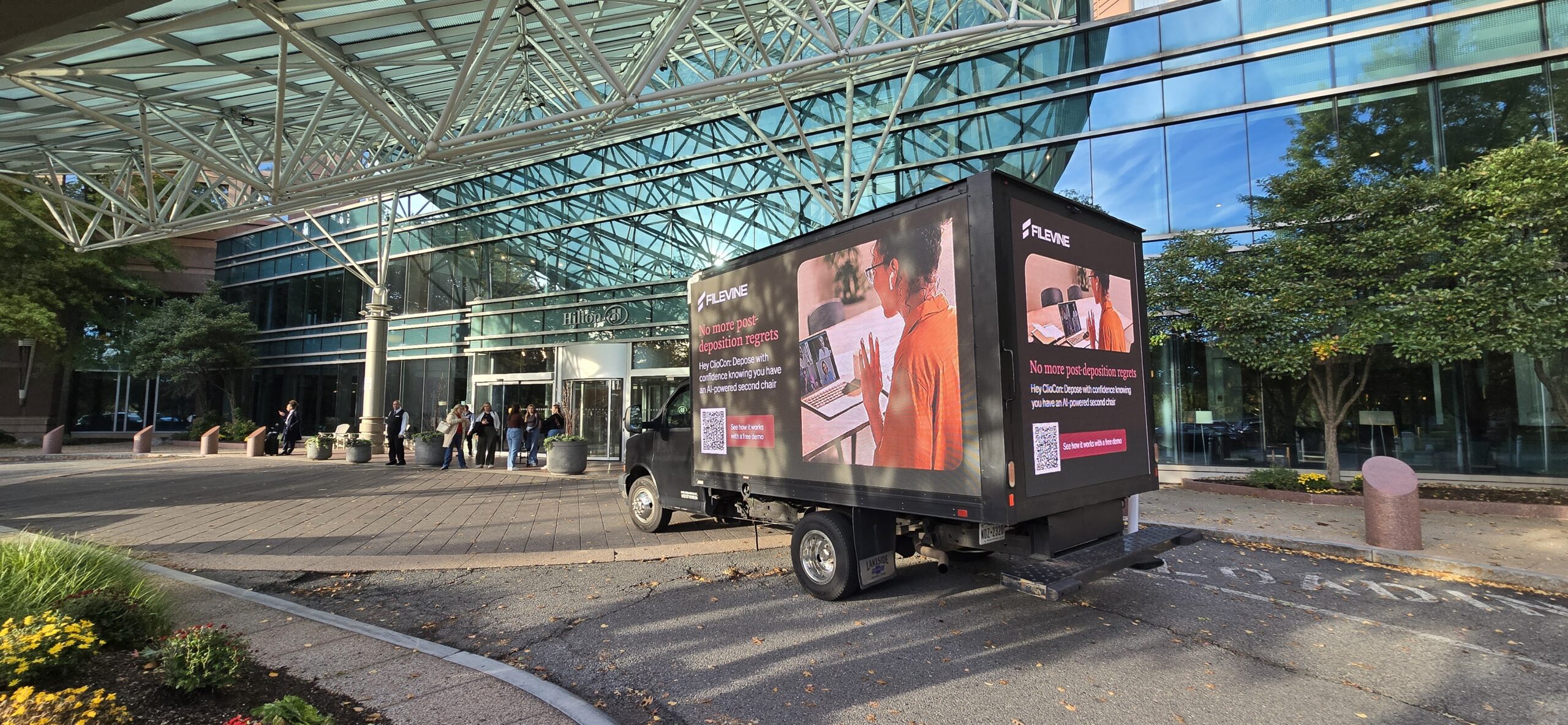
Brand identity is logos, colors, and visual design. Brand experience is what happens when someone actually interacts with a company in person. Mobile tours bridge that gap by bringing products directly to consumers at events, city streets, and high-traffic venues where they can touch, try, and ask questions before buying. This is the core idea behind experience marketing: moving the brand interaction out of a screen and into the real world.
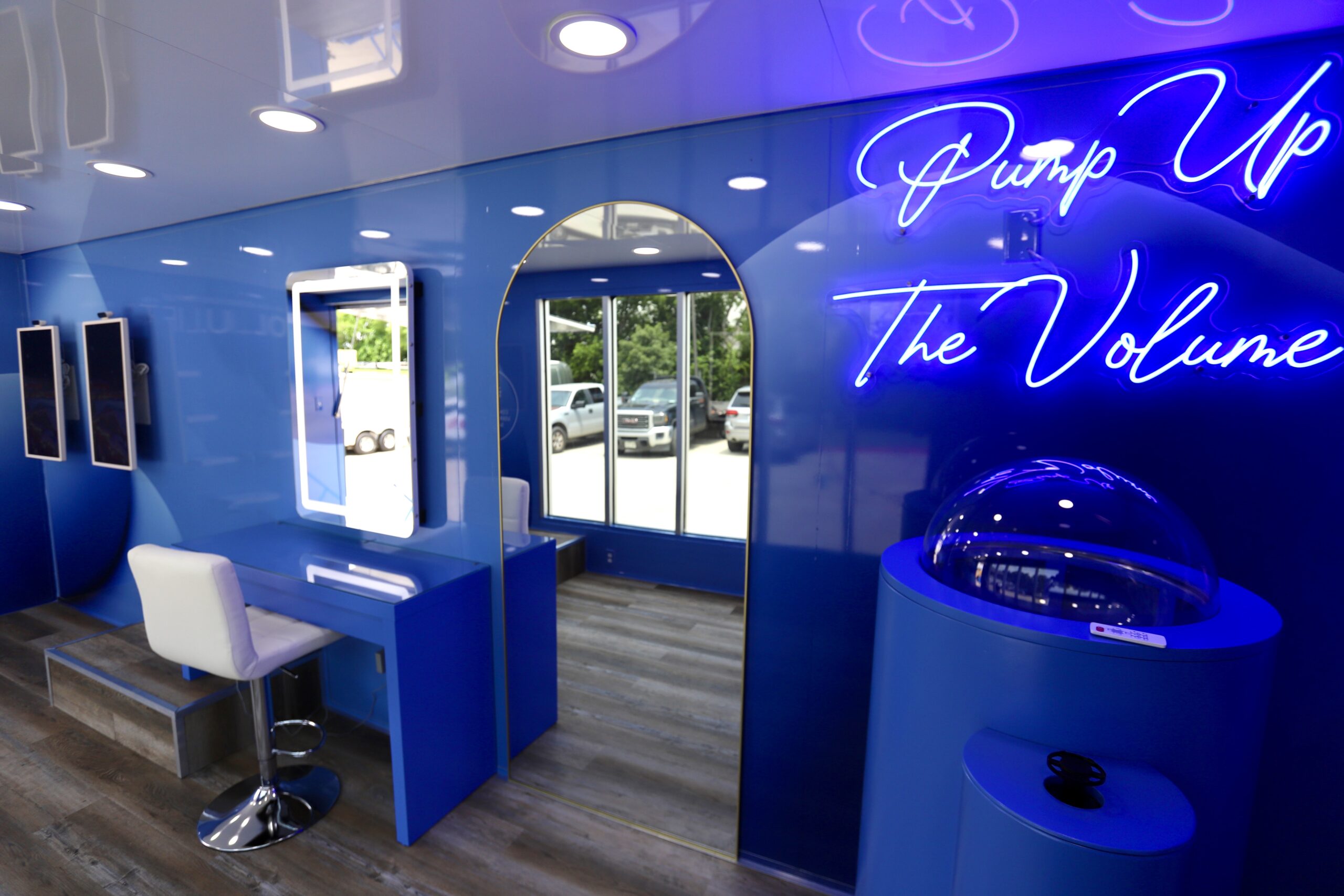
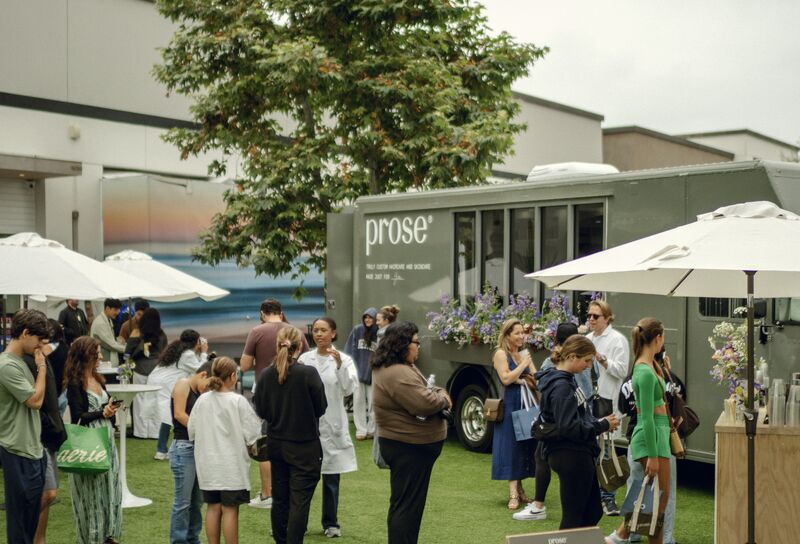
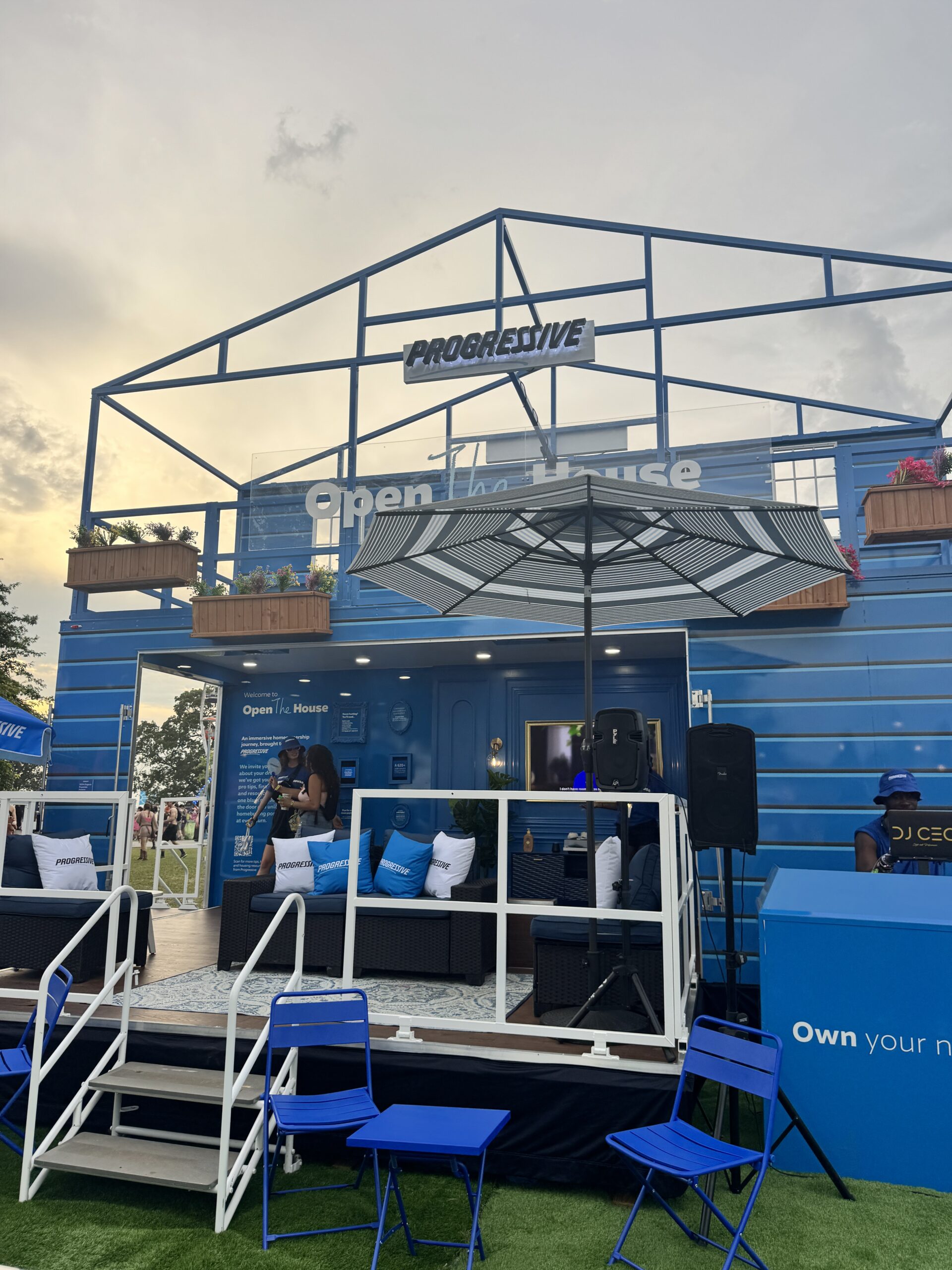
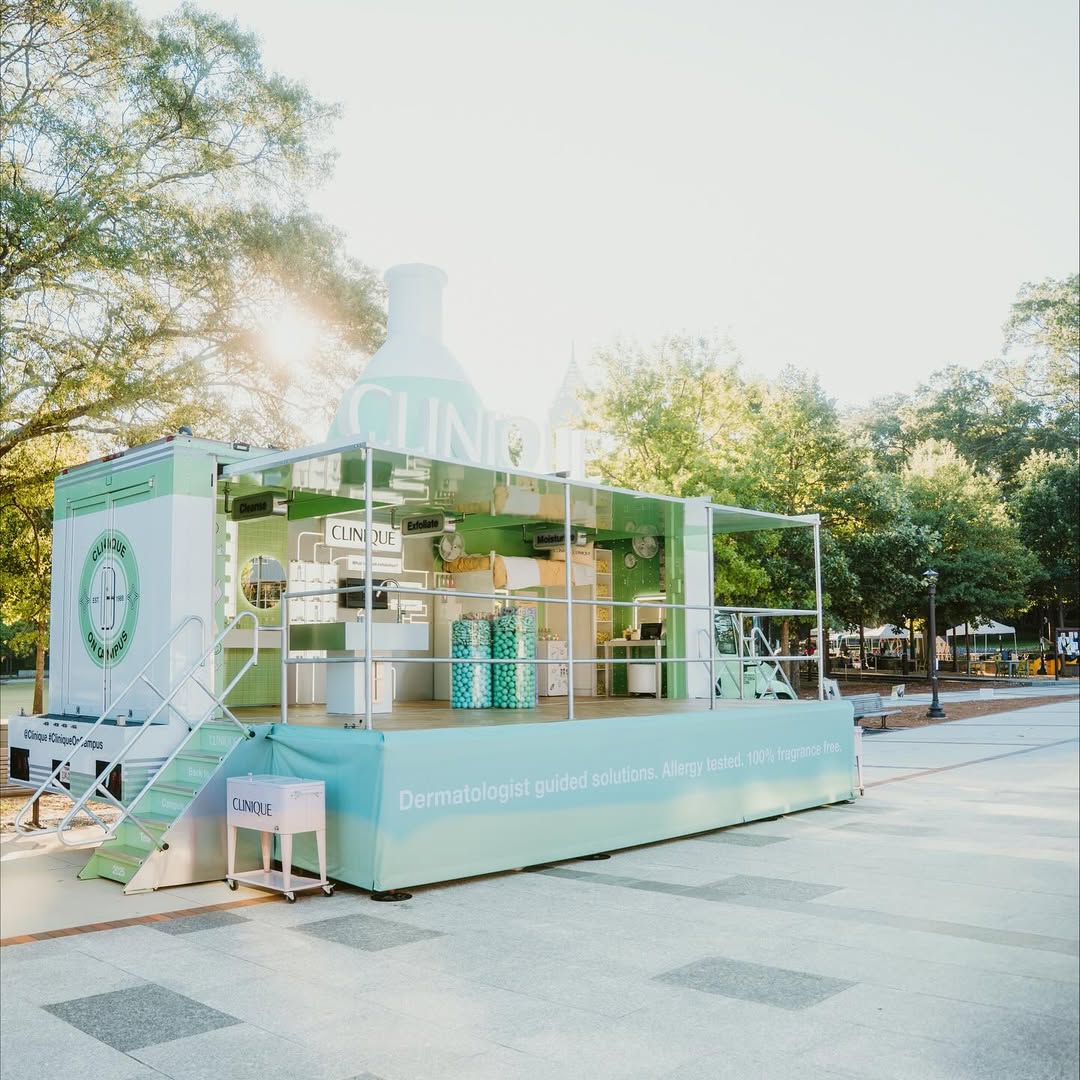
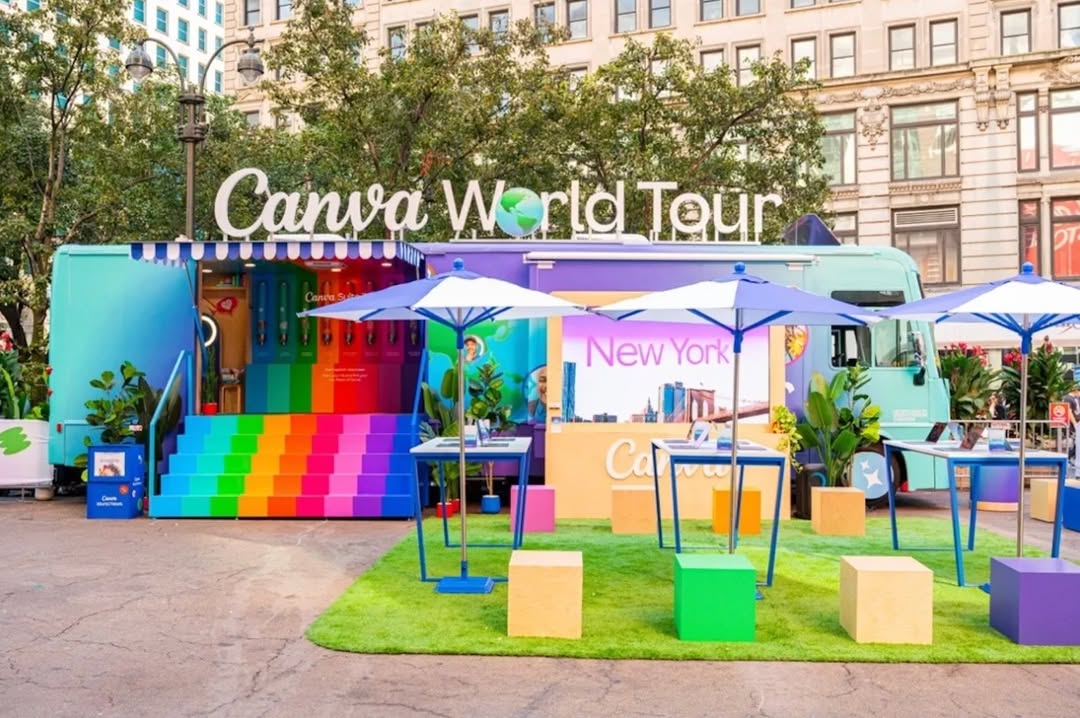
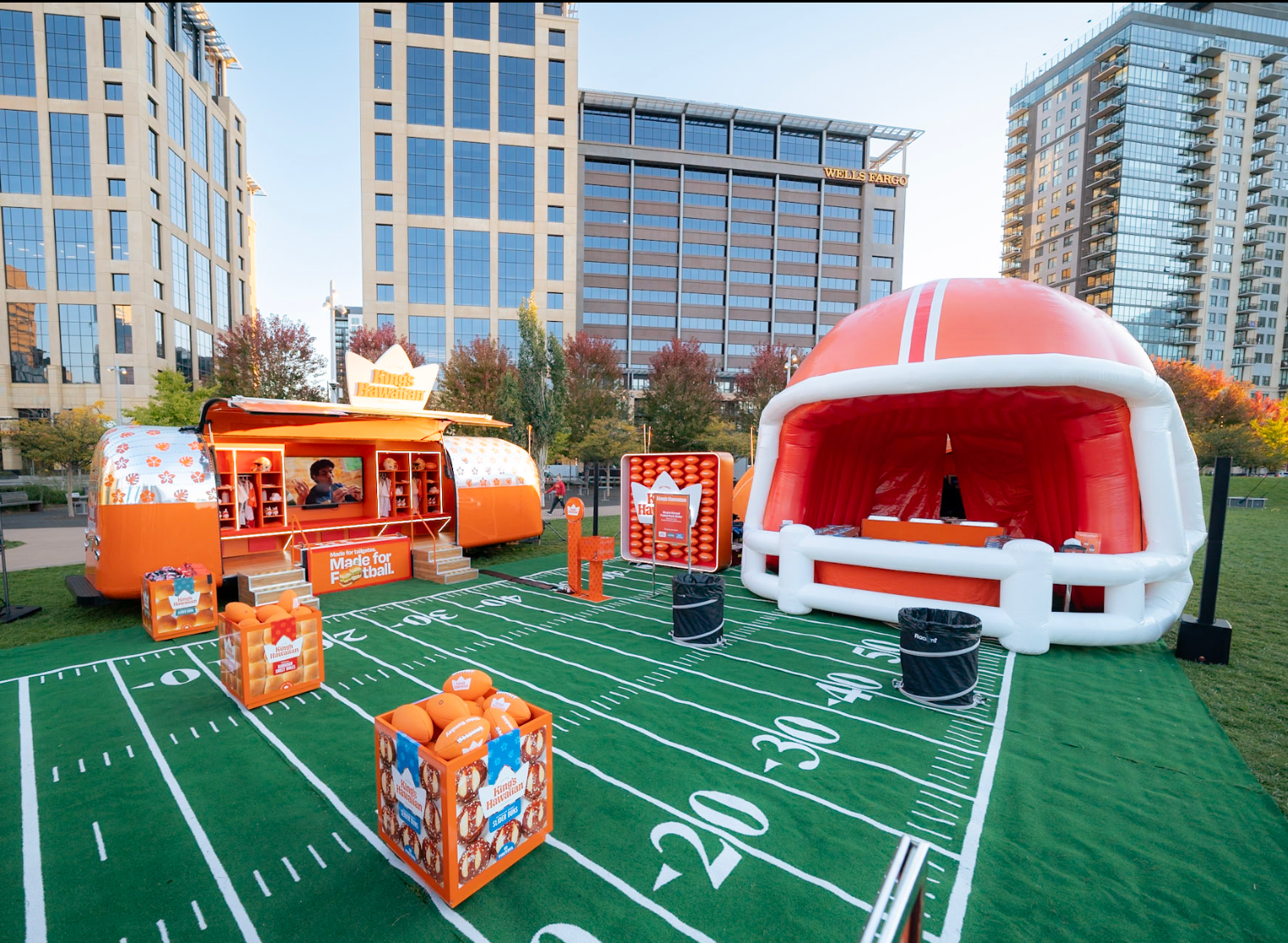
Product sampling activations are one of the most effective formats. Stage trailers open into full showrooms with multiple activity stations, consultation areas, and product displays. Glass trucks let people examine products through transparent panels before they even step inside. The vehicle itself signals that something worth stopping for is happening.
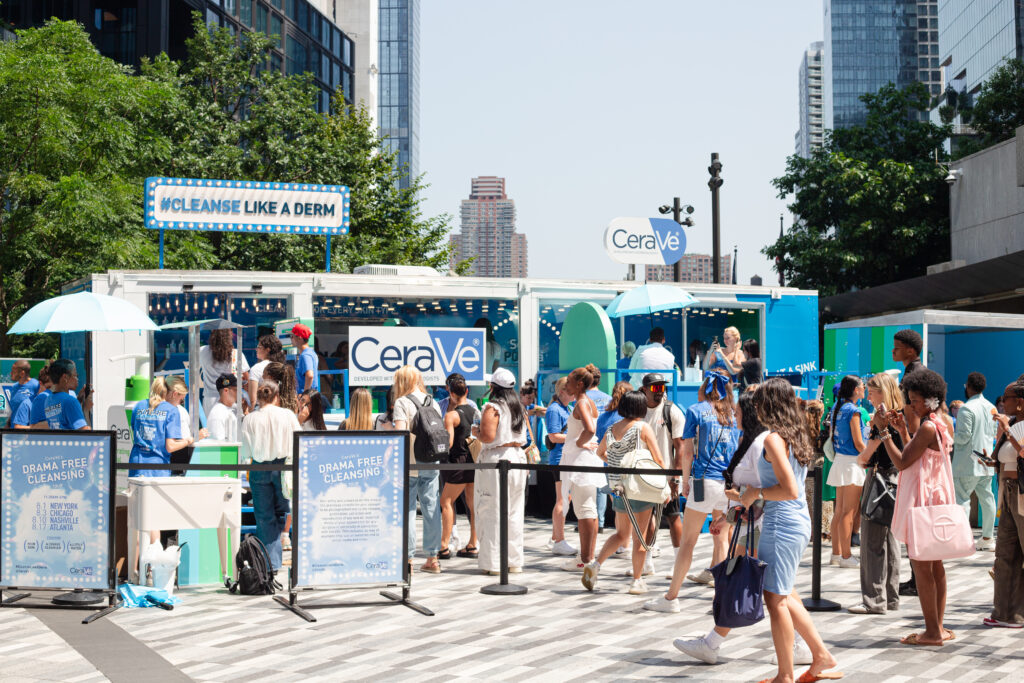
CeraVe’s Drama-Free Cleansing Tour, designed and fabricated by Lime Media, brought a 32-foot stage trailer to New York, Chicago, Nashville, and Atlanta during July and August 2024. Over 16,000 consumers received consultations with certified dermatologists, examined different cleansers, and took home samples. City-specific giveaways and a branded green screen photo opportunity made each stop feel tailored to that market rather than a generic roadshow.
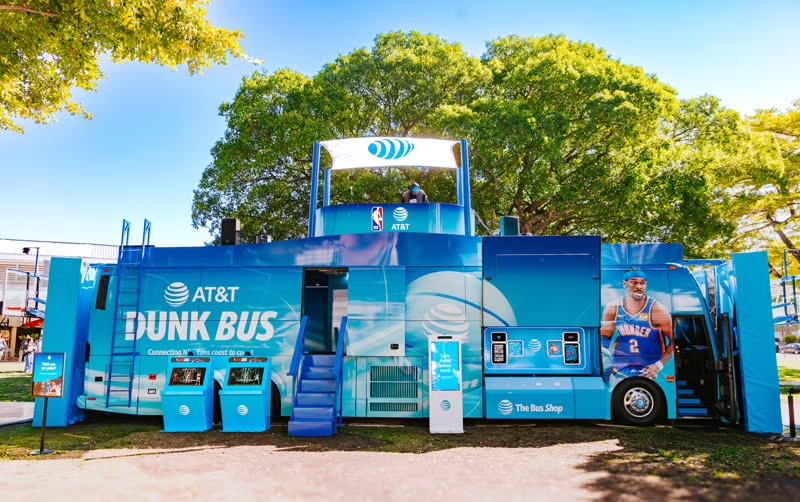
The vehicle a brand activates from is part of the experience itself. A vintage Airstream signals something different than a large expandable trailer, and that visual first impression affects who stops, how long they stay, and how they engage. Choosing the right vehicle format starts with understanding what the activation needs to accomplish and who it needs to reach.
There are a few key questions that drive vehicle selection for brand experience campaigns:
The vehicle format sets the tone before a single product gets handed out or a single conversation happens.
Lime Media operates 250+ vehicles across the US and Canada, covering everything from compact vintage builds to custom stage trailers. That range means brands aren’t limited to whatever a single vendor happens to own, and the vehicle gets chosen based on what the campaign actually needs.
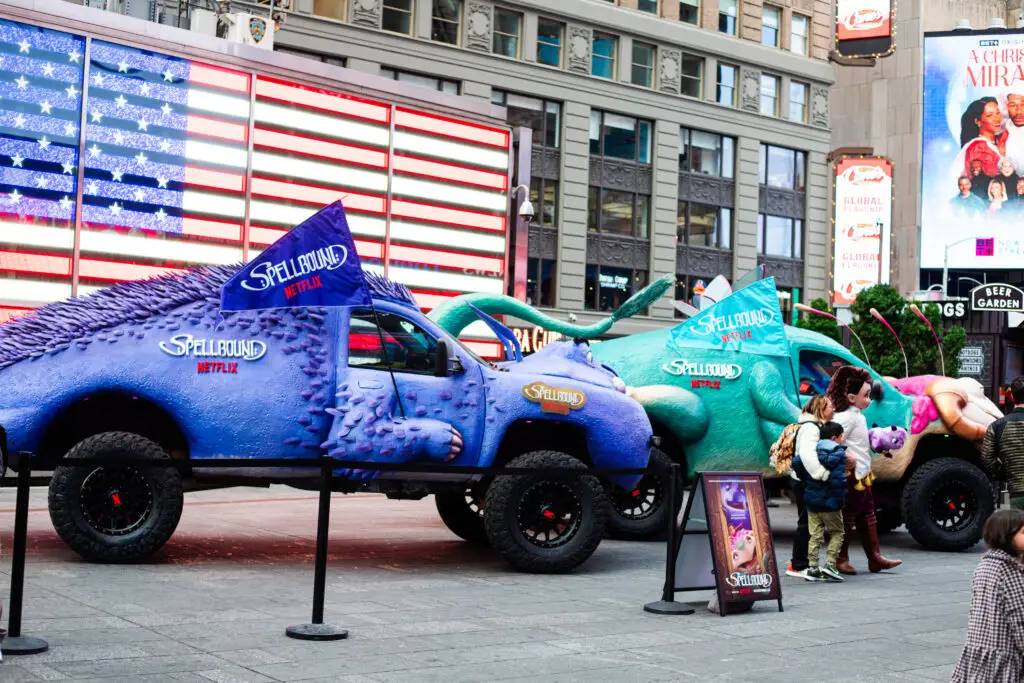
People photograph things they haven’t seen before. A standard booth at a festival blends into the background, but a custom vehicle build or an activation with an unexpected interactive element stops foot traffic and gets shared online before the tour moves to the next city. The more surprising the build, the more organic reach it generates without a paid media budget behind it.
Unexpected activations also give brands a presence that outlasts the event itself. Someone who photographs a giant driving snail or a giant driving almond posts that image to their followers, who share it further. That content travels well beyond the footprint of the activation and keeps the brand in front of new audiences long after the tour wraps. The builds that tend to generate the most sharing have a few things in common:
Custom 3D builds are some of the most labor-intensive work in mobile experiential marketing. Lime Media’s special projects division fabricated a giant 8-foot driving version of Gary the Snail for Paramount+ and Nickelodeon’s 25th anniversary celebration of SpongeBob in December 2024. The build started with a steel wire frame on a quad base, covered in wire mesh and spray foam, before five-plus days of detailed hand-carving shaped Gary’s specific form.
The finished structure was coated in epoxy, varnish, and paint, with three cameras, mounted displays, and a cooling system fitted inside for the driver. Gary appeared at The Grove in Los Angeles for the anniversary event.
Where a mobile tour goes and when it arrives matters as much as what the activation looks like. A well-designed experience that shows up in the wrong place at the wrong time will underperform. Location strategy determines who encounters the activation, how long they stay, and whether they engage.
Multi-city tours need route planning that accounts for travel time between stops, permit requirements in different municipalities, and staff coordination across states. Spending too many days in transit means fewer days activating, which directly affects how many people the tour reaches. Routes built around major metropolitan areas cover large populations in concentrated timeframes, while tours that include secondary markets can reach audiences that competitors may overlook.
Timing matters too. Positioning activations around events, sports seasons, and cultural moments puts the brand in front of audiences who are already in the right mindset. A tour timed around NFL tailgate season reaches a different consumer than the same tour running in January.
Lime Media handles route planning, permit acquisition, and staff coordination across every stop so brands can focus on the activation itself. From mapping high-traffic areas to managing logistics across multiple states, the operational side is covered.
Measuring experiential marketing looks different from measuring digital advertising. There are no click-through rates or conversion pixels. Success gets tracked through a combination of physical interactions, content generated, and audience reach, and understanding which metrics matter helps brands evaluate whether a tour delivered what it was supposed to.
The most common metrics for brand experience campaigns often include:
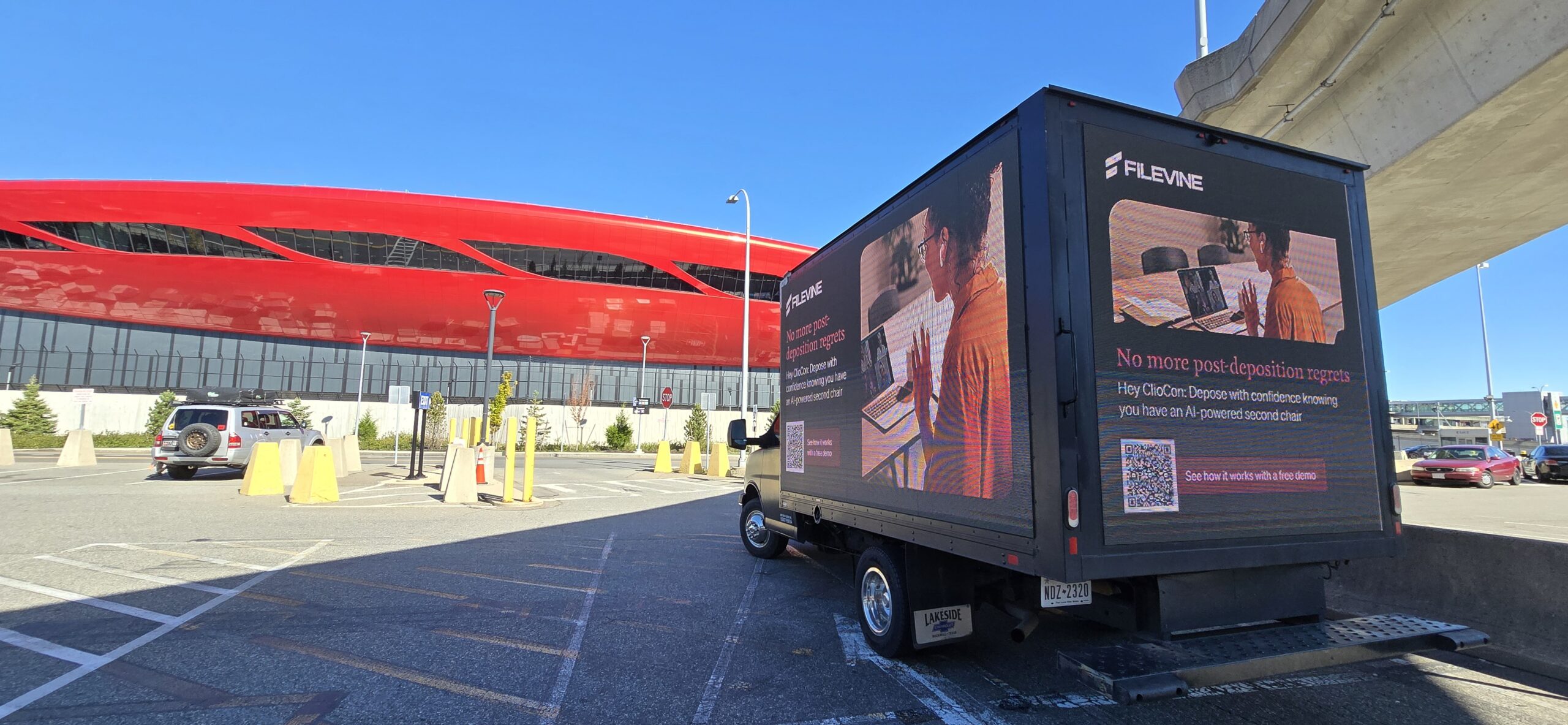
GPS tracking shows which stops generated the most activity, which timeframes drew larger crowds, and which markets responded best to the activation format. On multi-city tours, Lime Media uses that data to help brands adjust later stops based on what worked early, shifting resources toward higher-performing markets before the tour wraps.
We custom-developed an app for proof of performance to track routes, hours, and impressions across every stop. That data gives brands a clear picture of what each activation delivered across markets. For LED billboard truck campaigns specifically, we also use our software to monitor routes, hours, and impressions in real time.
Lime Media operates 250+ mobile vehicles across the US and Canada, from LED billboard trucks and glass display units to custom 3D product replicas that take 600 to 2,000+ labor hours to build. Every campaign is handled in-house, covering vehicle fabrication, route planning, permit acquisition across municipalities, staffing coordination, and real-time adjustments throughout the tour.
Most experiential marketing vendors handle one piece of a campaign. We handle all of it, so brands show up to their activation ready to engage consumers rather than managing logistics. Contact us to discuss your next mobile brand experience campaign.

create. engage. move. create. engage. move. create. engage. move.
Mobile tours with custom vehicles create memorable brand experiences by letting people test products and participate in activities they photograph and share online. Stage trailers, giant 3D product replicas, and glass trucks generate attention because people haven’t seen these setups before.
Brand experience success gets tracked through a combination of face-to-face consumer interactions, products sampled or distributed, social impressions generated from attendee posts, and GPS route data showing which stops generated the most activity. Together, those metrics give brands a clearer picture of how a tour performed across markets.
Mobile experiential marketing works across a wide range of industries. Consumer packaged goods brands run product sampling tours, entertainment companies build custom 3D vehicles for film and TV promotions, food and beverage brands activate at sporting events and festivals, and retail brands use mobile tours to reach audiences in new markets.
