Experience Marketing

Experience Marketing :How Brands Reach Audiences in the Real World

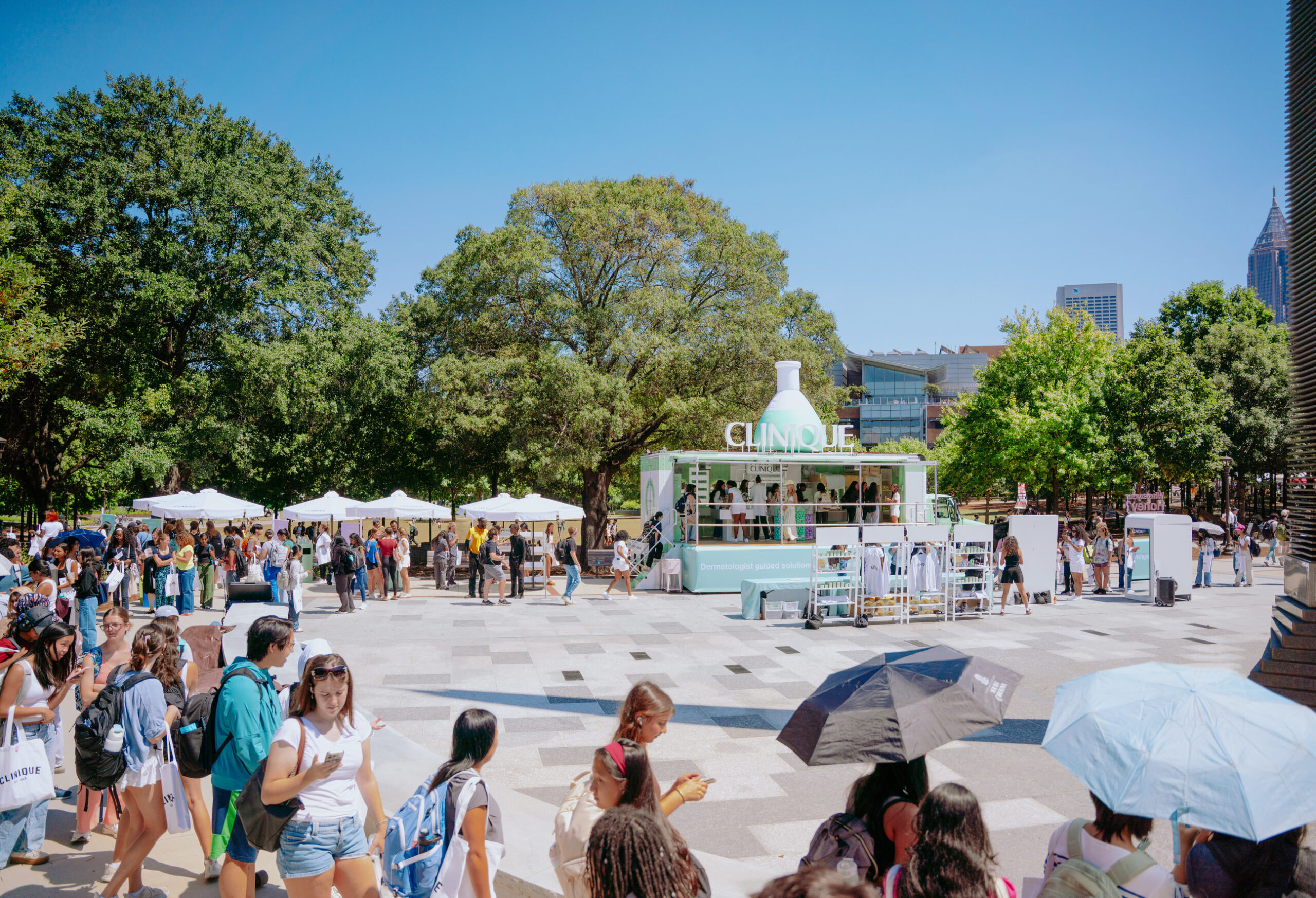
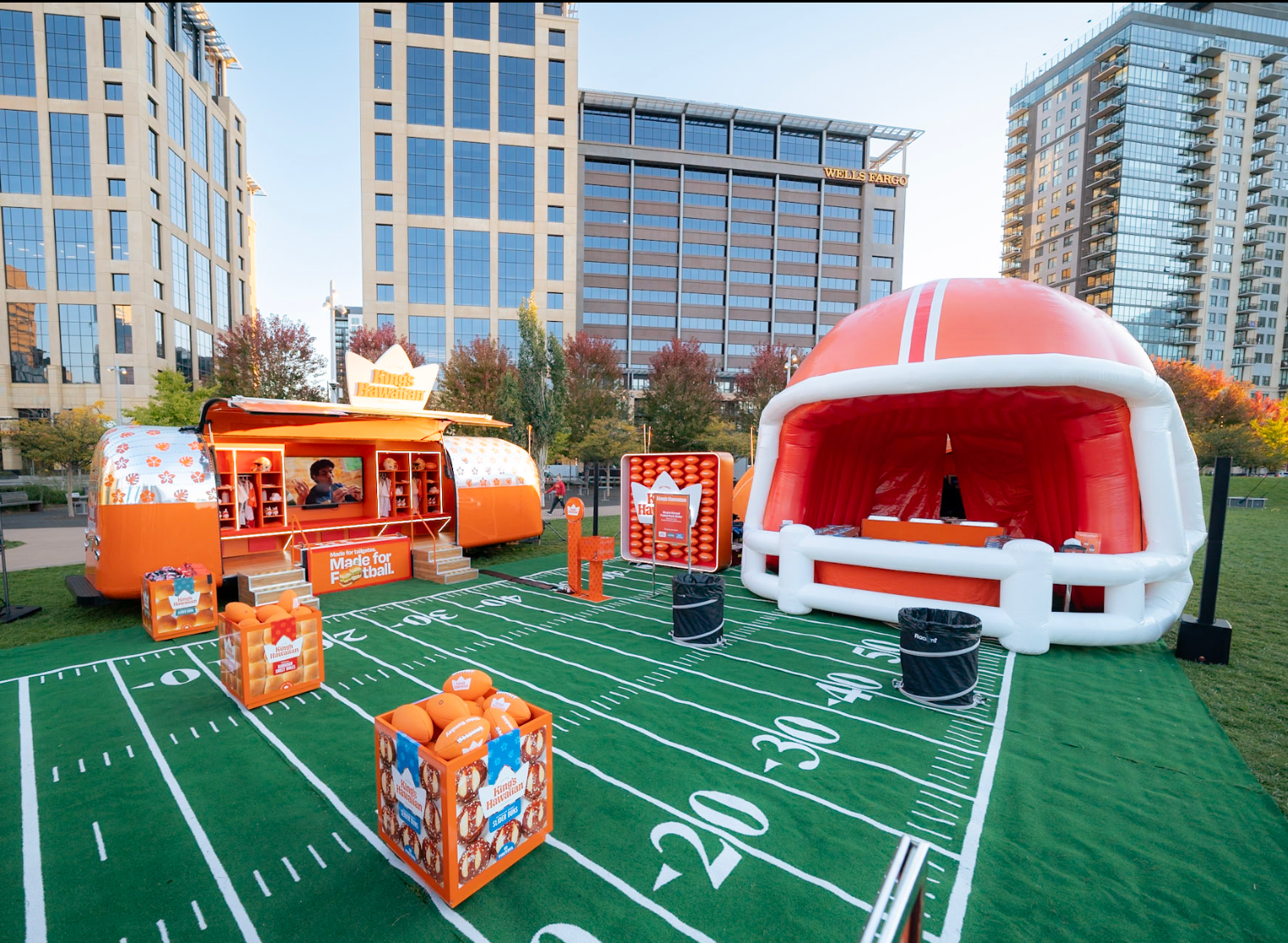
Experience marketing puts your brand in front of audiences where they already are: festivals, college campuses, business districts, and high-traffic areas where people are ready to engage. Instead of waiting for customers to find your brand, mobile activations bring products directly to them through vehicles built for interaction and attention.

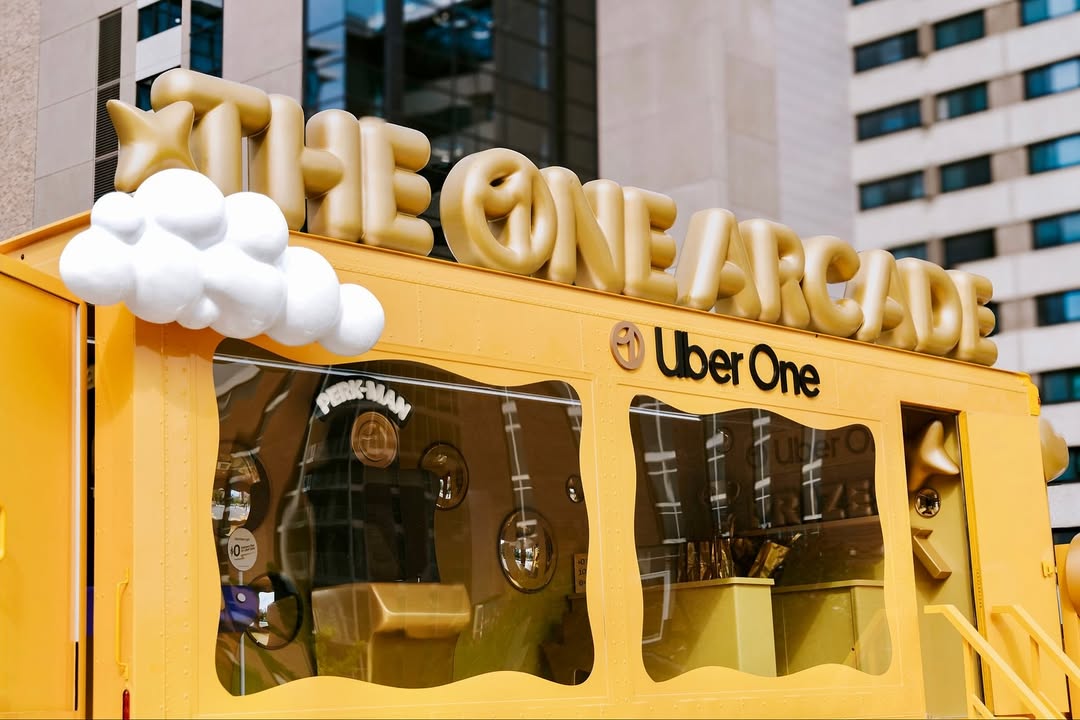
Glass trucks create mobile showrooms, LED vehicles display high-visibility advertisements on the move, and custom builds generate attention and user-generated content at every stop. Producing effective experience marketing campaigns requires matching vehicle types to goals, selecting routes based on audience behavior, and staffing activations for maximum engagement.

Mobile Activations Position Brands Where Audiences Gather

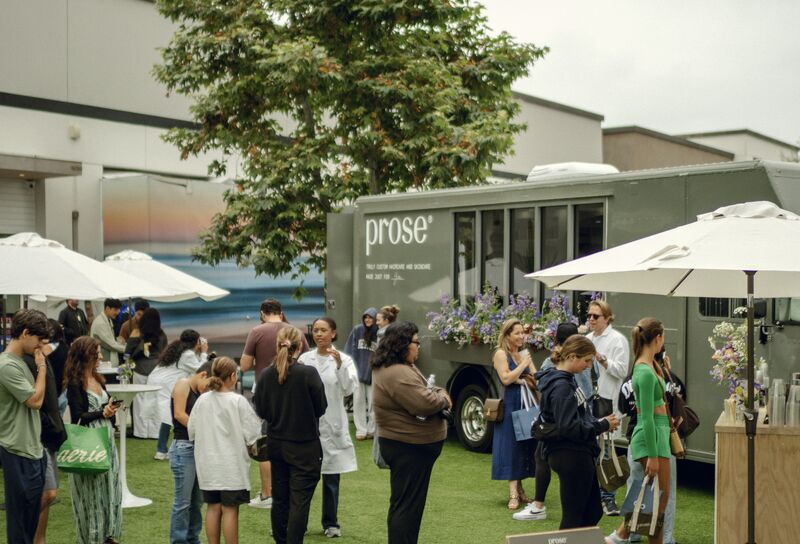
Experience marketing (or experiential marketing) works because it meets audiences on their own turf. Routes are planned around high-traffic periods: university move-in weeks, downtown lunch hours, weekend festival schedules, and sporting events when attendance peaks. Timing and location determine how many people an activation reaches, which is why route planning is built into every experience marketing campaign from the start.

Building Brand Loyalty Through Direct Product Interaction

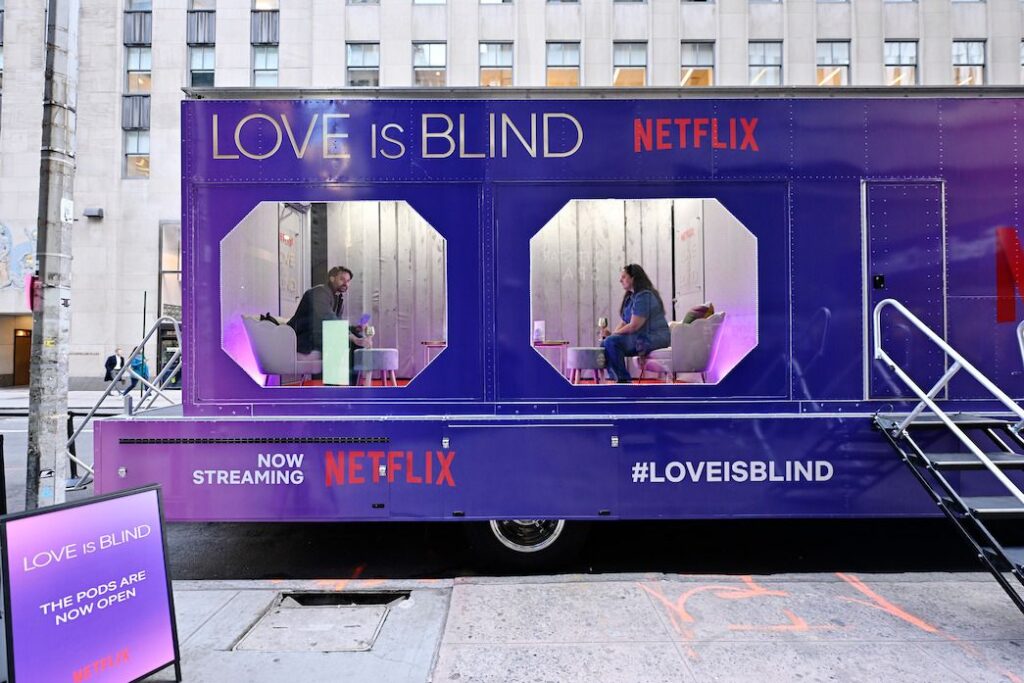
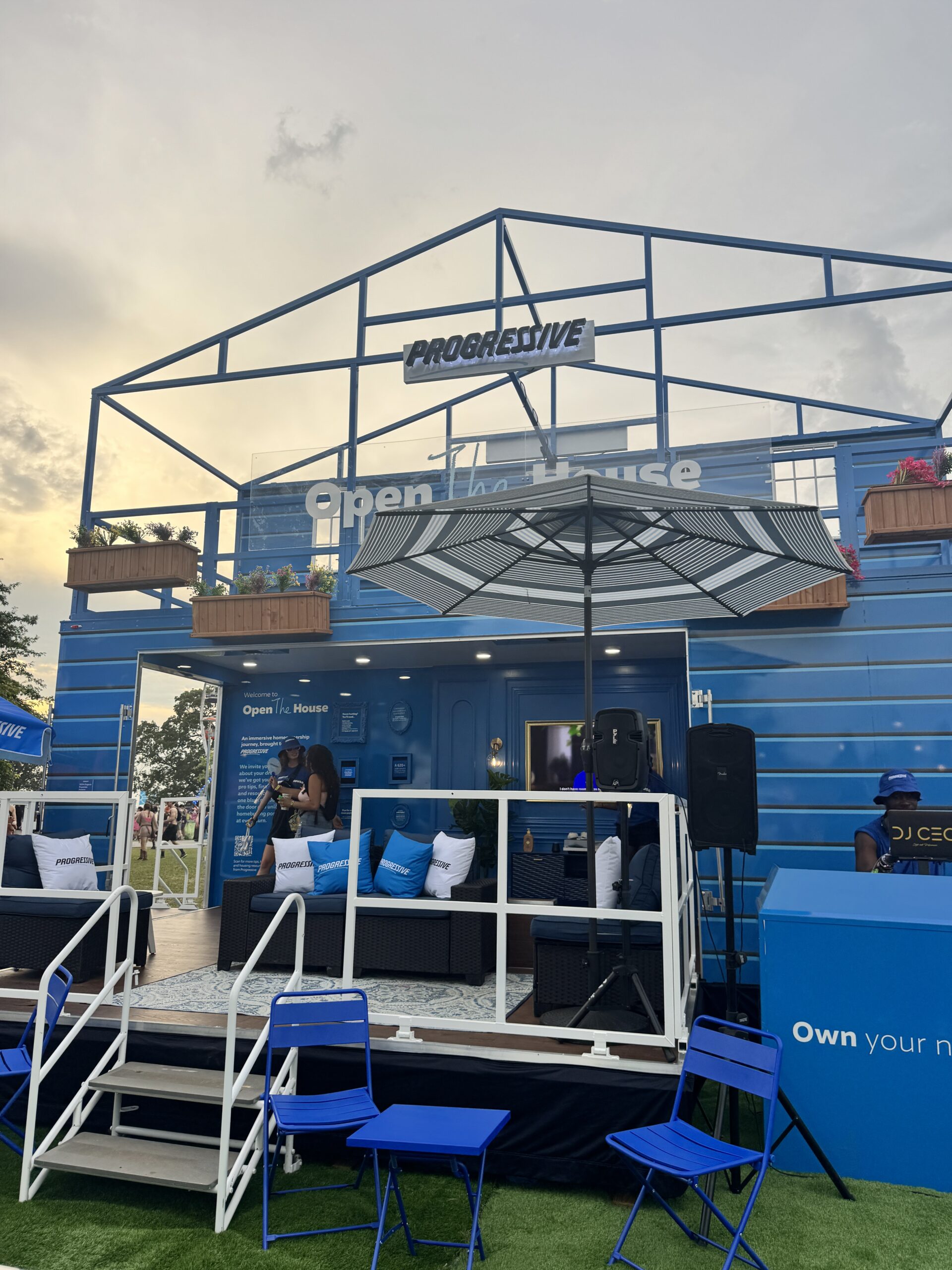
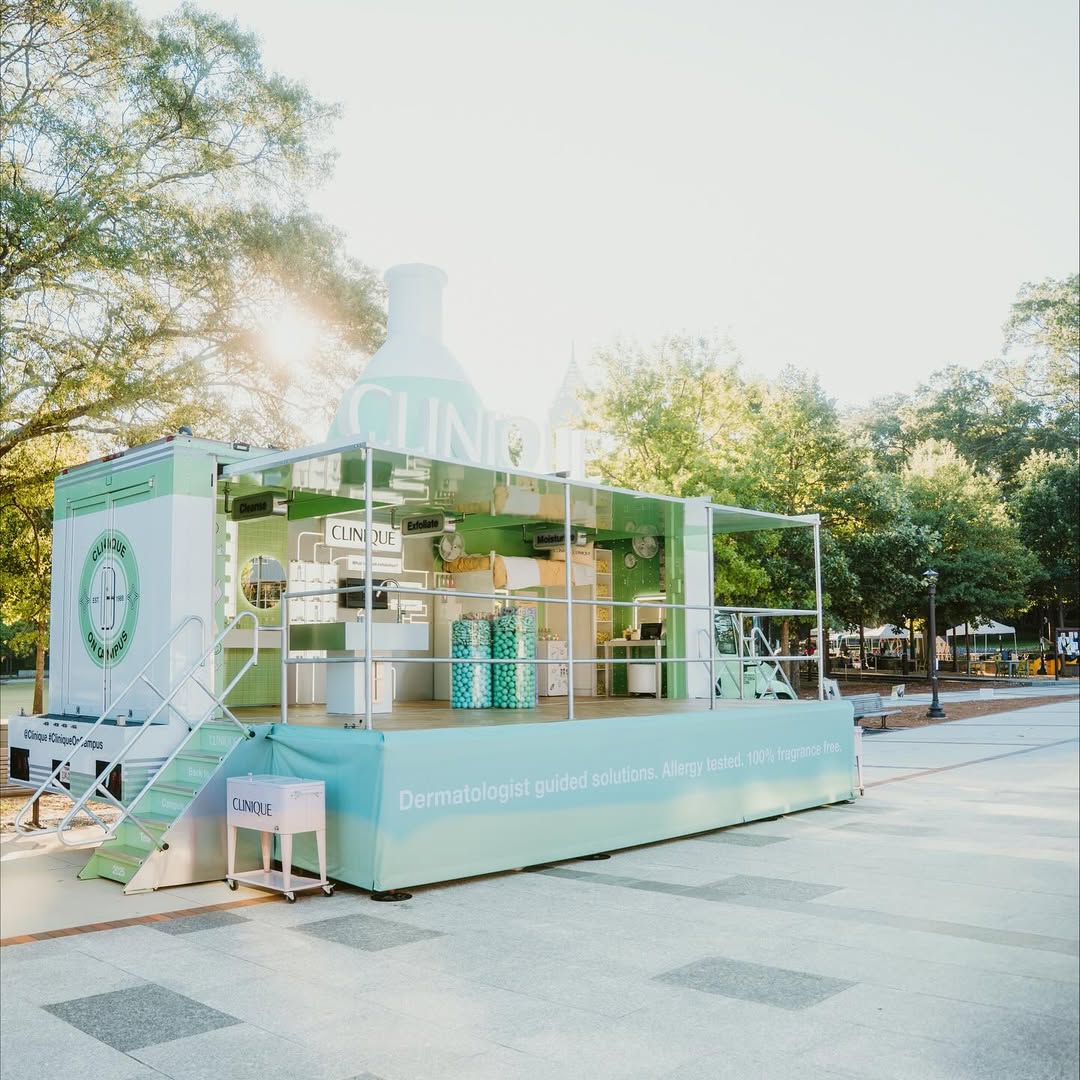
The most effective experience marketing gives customers something to do, not just something to look at. Glass trucks display products through transparent windows where people can walk up and examine items, while sampling stations let people try products before purchasing. For Netflix’s Love is Blind Season 4 reunion launch, Lime Media ran a multi-city glass truck tour where fans stepped inside replica pods, attended speed dating experiences, and collected golden goblets across five days and three markets, turning a standard promotional campaign into a hands-on, memorable experience.

Mobile Tours Reach Multiple Markets Within Single Campaigns

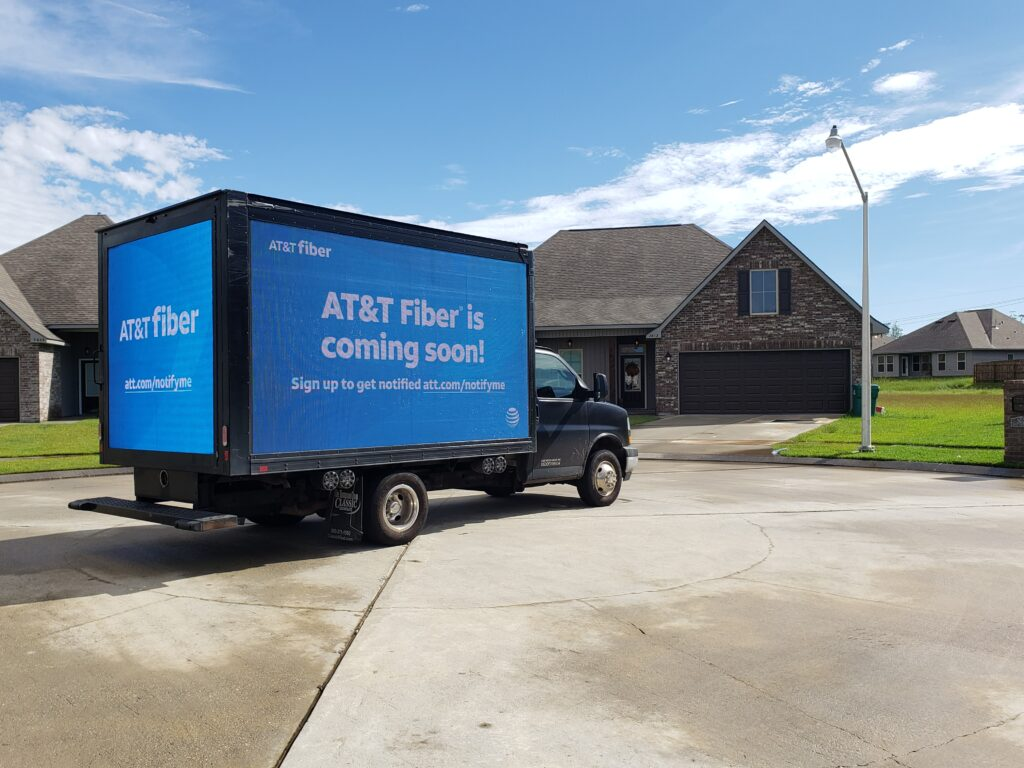
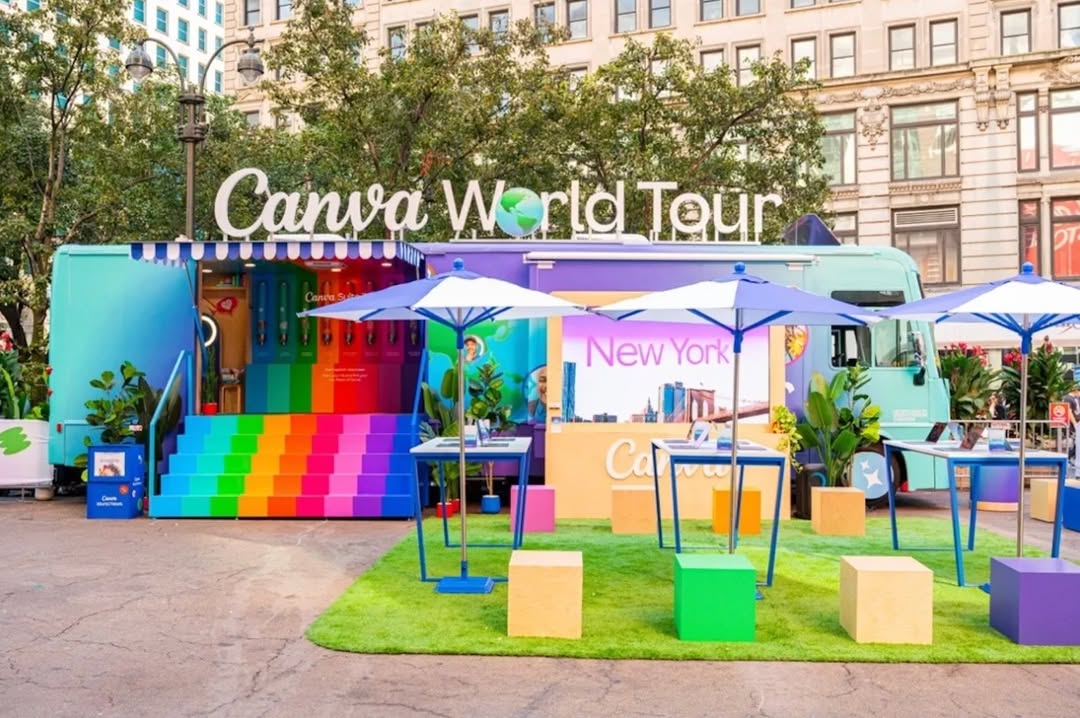
A single mobile tour can hit college towns, music festivals, and business districts across different regions within weeks. AT&T deployed 15 LED billboard trucks across 475 markets, activating over 120 hours per market, demonstrating how experience marketing can deliver consistent brand presence at a national scale.

Route Planning Targets High-Traffic Locations and Peak Hours

Effective experience marketing depends on showing up at the right place at the right time. Route planning accounts for permit requirements, parking restrictions, and traffic patterns across every market. GPS tracking monitors performance throughout the tour, allowing for real-time route adjustments based on where campaigns are generating the most activity.

Vehicle Selection Matches Campaign Requirements

Experience marketing campaigns use specific vehicle types based on campaign goals and venue requirements:

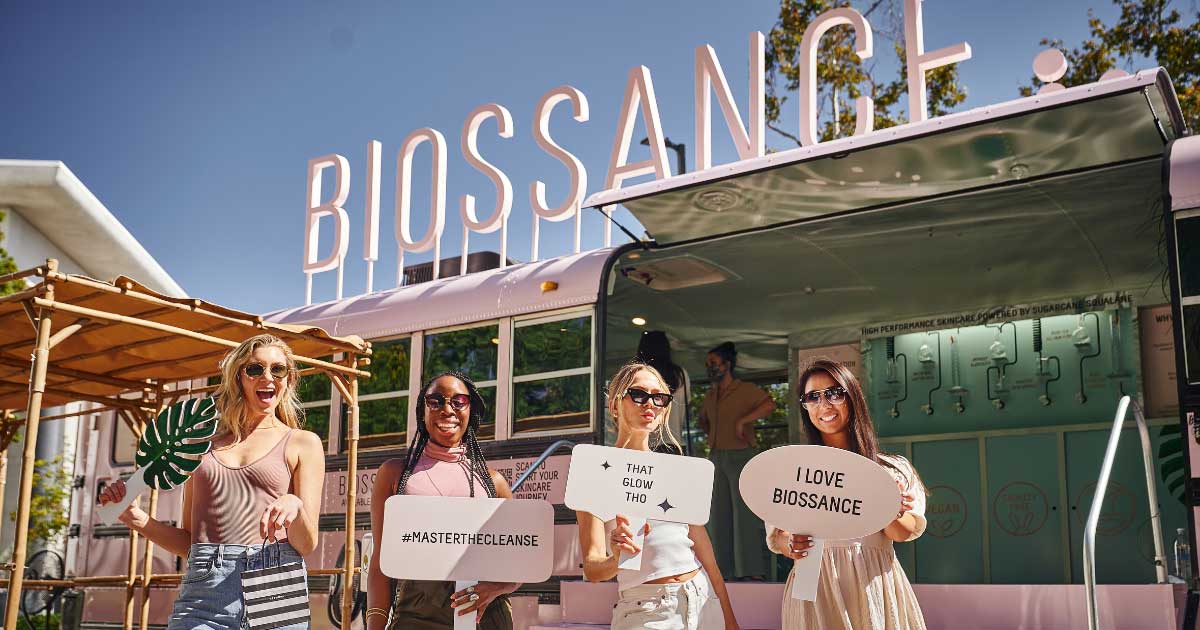
Product Sampling Vehicles: 22-foot step vans, Airstreams with serving windows, and custom trailers with serving infrastructure for product distribution at festivals, college campuses, and business districts.

Glass Display Trucks: 12-foot, 16-foot, and 24-foot glass trucks with three transparent walls that display products at festivals and retail districts where people can examine items up close.

LED Billboard Trucks: 11-foot side panels and 7-foot rear panels powered by 25KW generators, with smart directional programming that uses geo-targeting data to list a nearby address alongside your brand message. Lime Media’s proprietary Lime’s performance portal is built directly into every campaign, capturing and validating delivery in real time through onboard smart technology, location intelligence, and audience mobility data.

Brand Ambassadors and Campaign Logistics

Brand ambassadors staff vehicles to answer questions, demonstrate products, and distribute samples at each activation stop. Multi-market experience marketing campaigns require permits that vary by city, route planning around traffic and parking restrictions, and GPS tracking to monitor performance throughout the tour. Lime Media handles all of it, from initial route planning and permit acquisition to staffing coordination and real-time performance tracking, so brands can focus on the campaign itself.
XM Marketing with Wellness Events (6)

Begin your Experiential Marketing Campaign Today

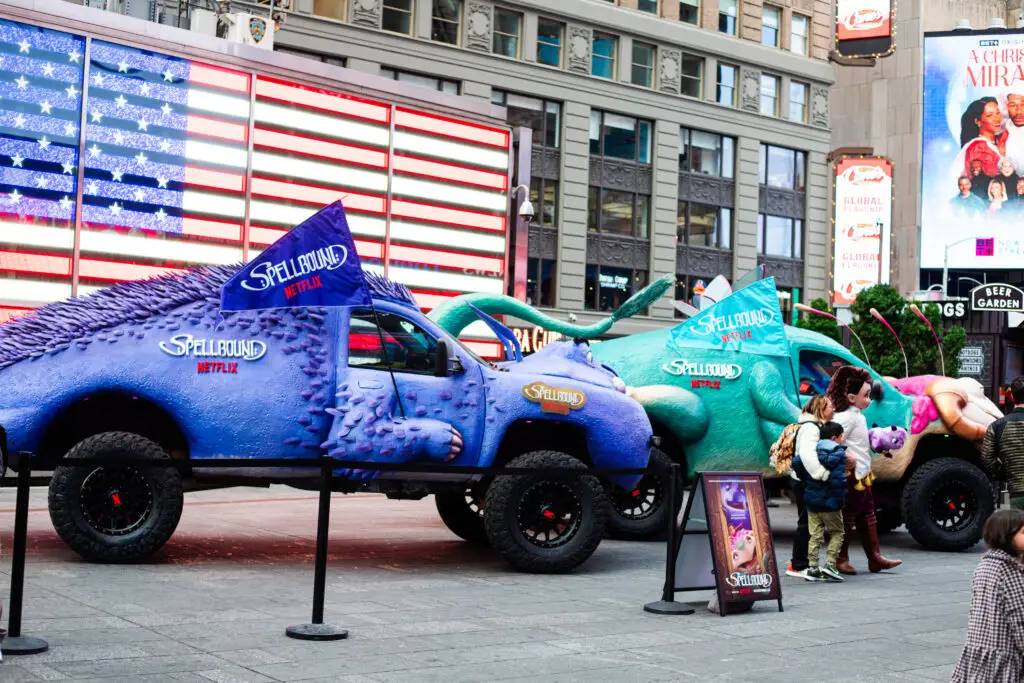
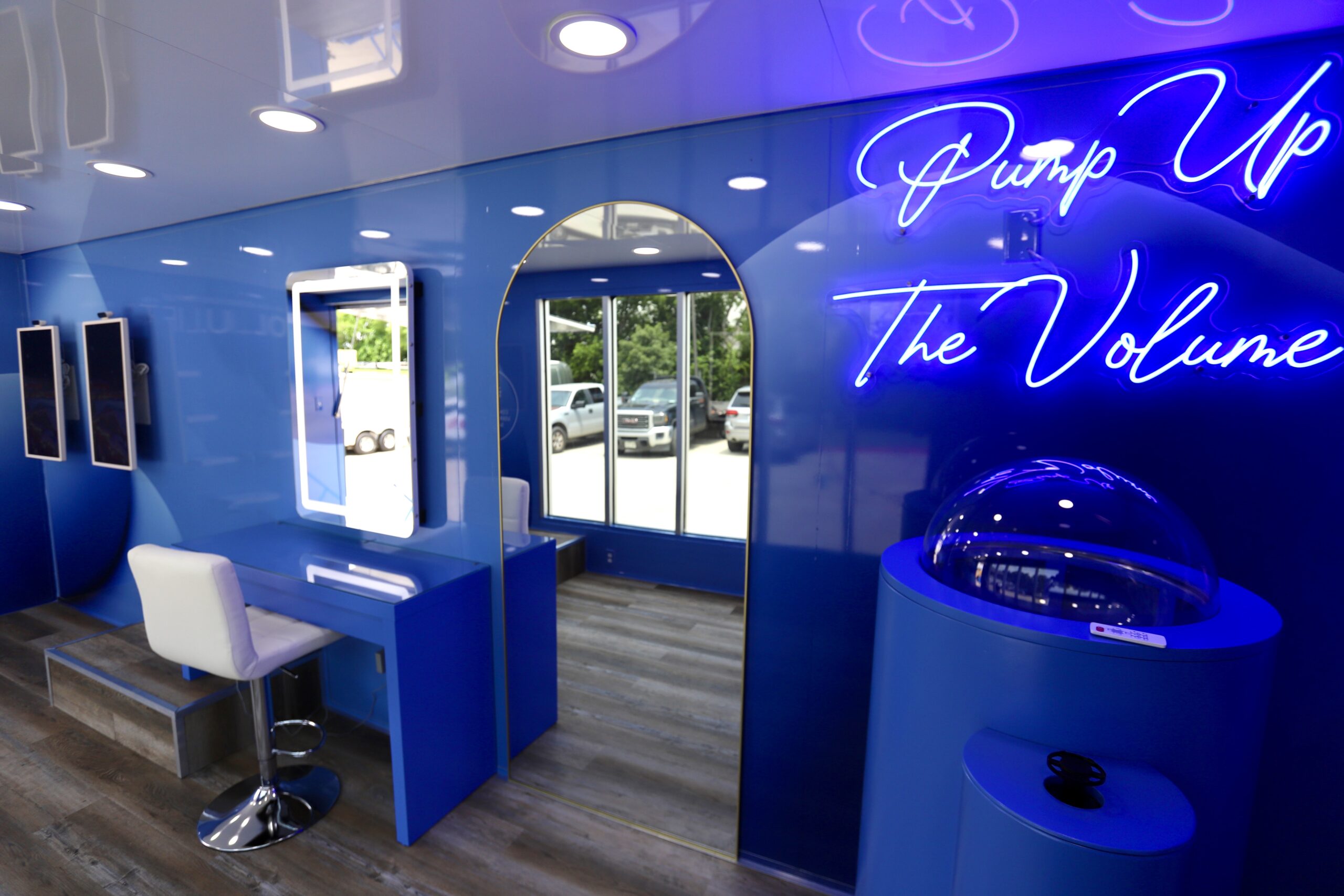
Lime Media operates 250+ vehicles, including LED trucks, glass display units, custom trailers, stage trucks, Airstreams, and 3D product replicas like giant driving almonds and branded monster trucks. We handle vehicle fabrication, DOT compliance, route planning, GPS tracking, permit acquisition, staffing coordination, and activation management across the US and Canada. Contact us to discuss your campaign.

featured experiential projects

create. engage. move.    create. engage. move.    create. engage. move.    

frequently asked questions

What is experience marketing?

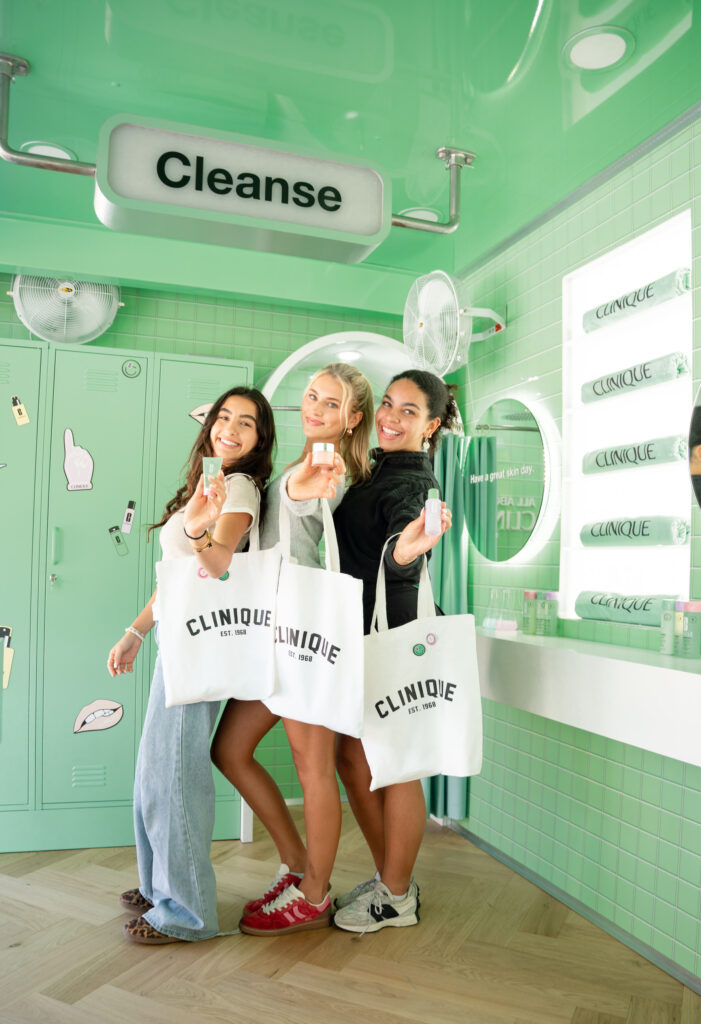
Experience marketing brings brands directly to audiences through mobile activations where people can interact with products, sample items, and participate in face-to-face engagement. Glass trucks, LED vehicles, and custom builds travel to festivals, college campuses, and business districts to create hands-on interactions that generate social media content and product awareness.

Experience marketing works by positioning mobile vehicles at high-traffic locations like music festivals, sporting events, and college campuses where target audiences already gather. Branded trucks and trailers provide product sampling, demonstrations, and photo opportunities that give people a direct, hands-on interaction with your brand.

Experience marketing puts products directly in people’s hands, letting them touch, test, and photograph items in real time at the locations where they already spend time. Mobile tours reach multiple markets within single campaigns, while GPS tracking and route planning position vehicles where foot traffic concentrates during peak hours.