Digital Billboard Costs for Mobile LED Trucks

Digital Billboard Costs forMobile LED Trucks

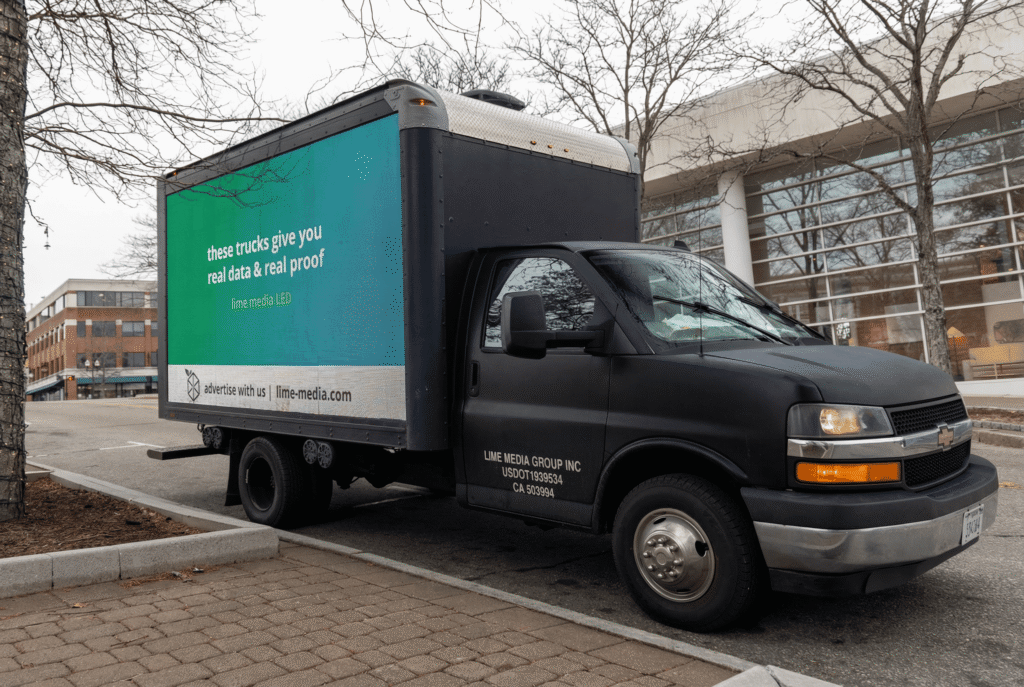
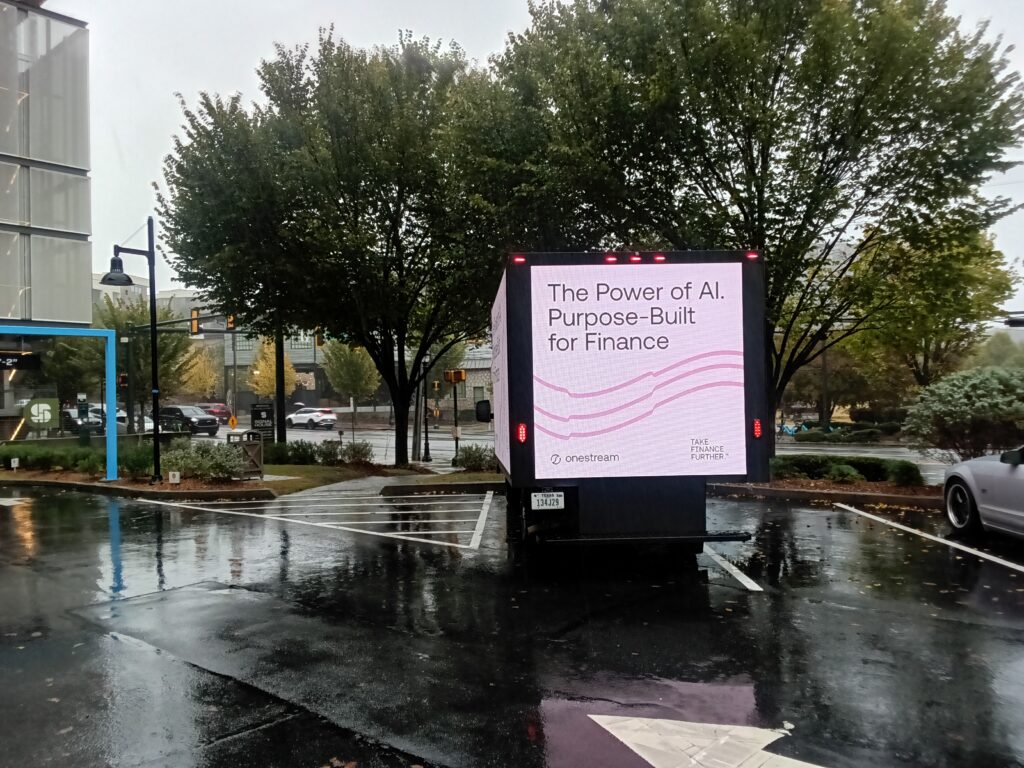
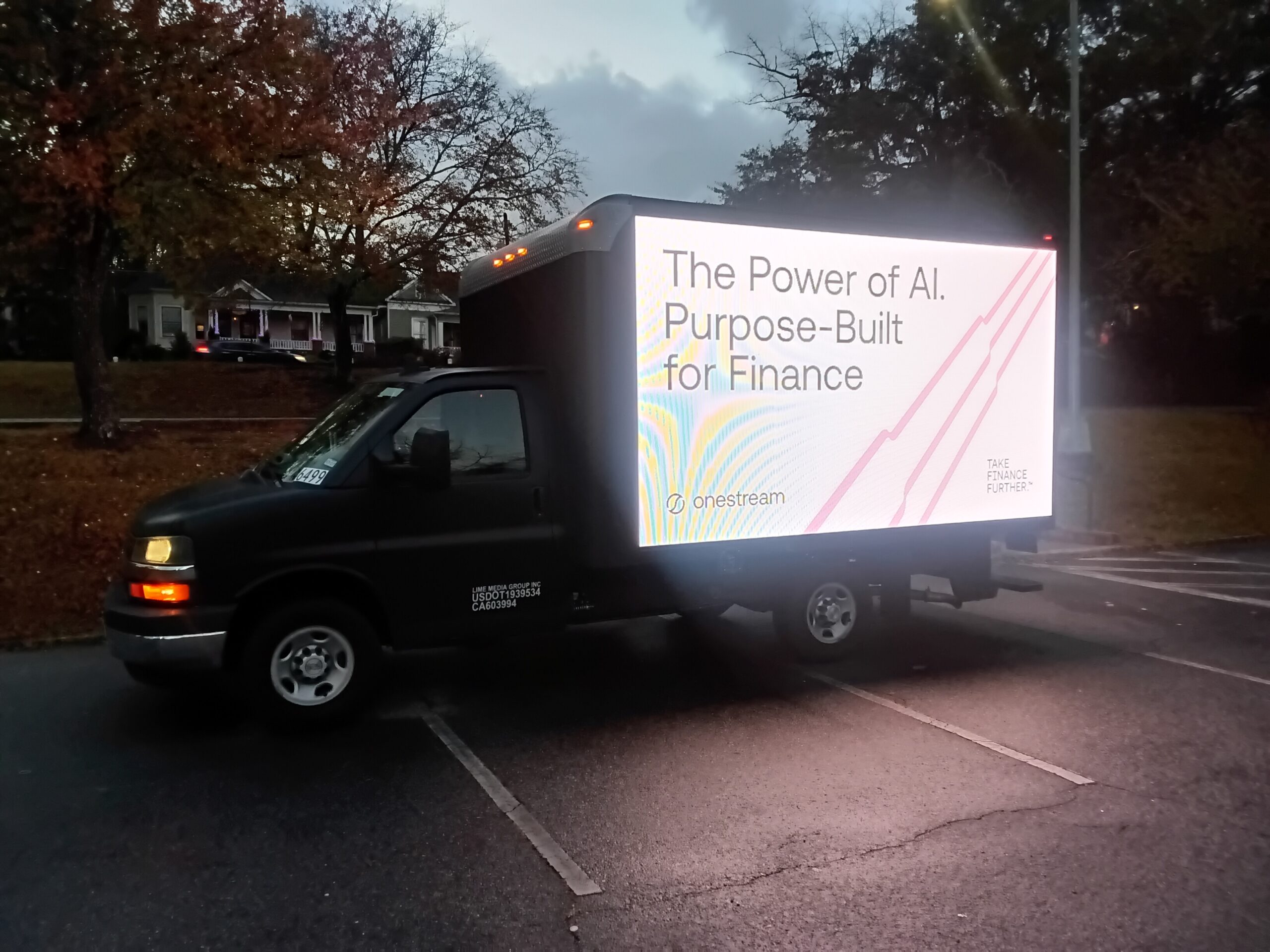
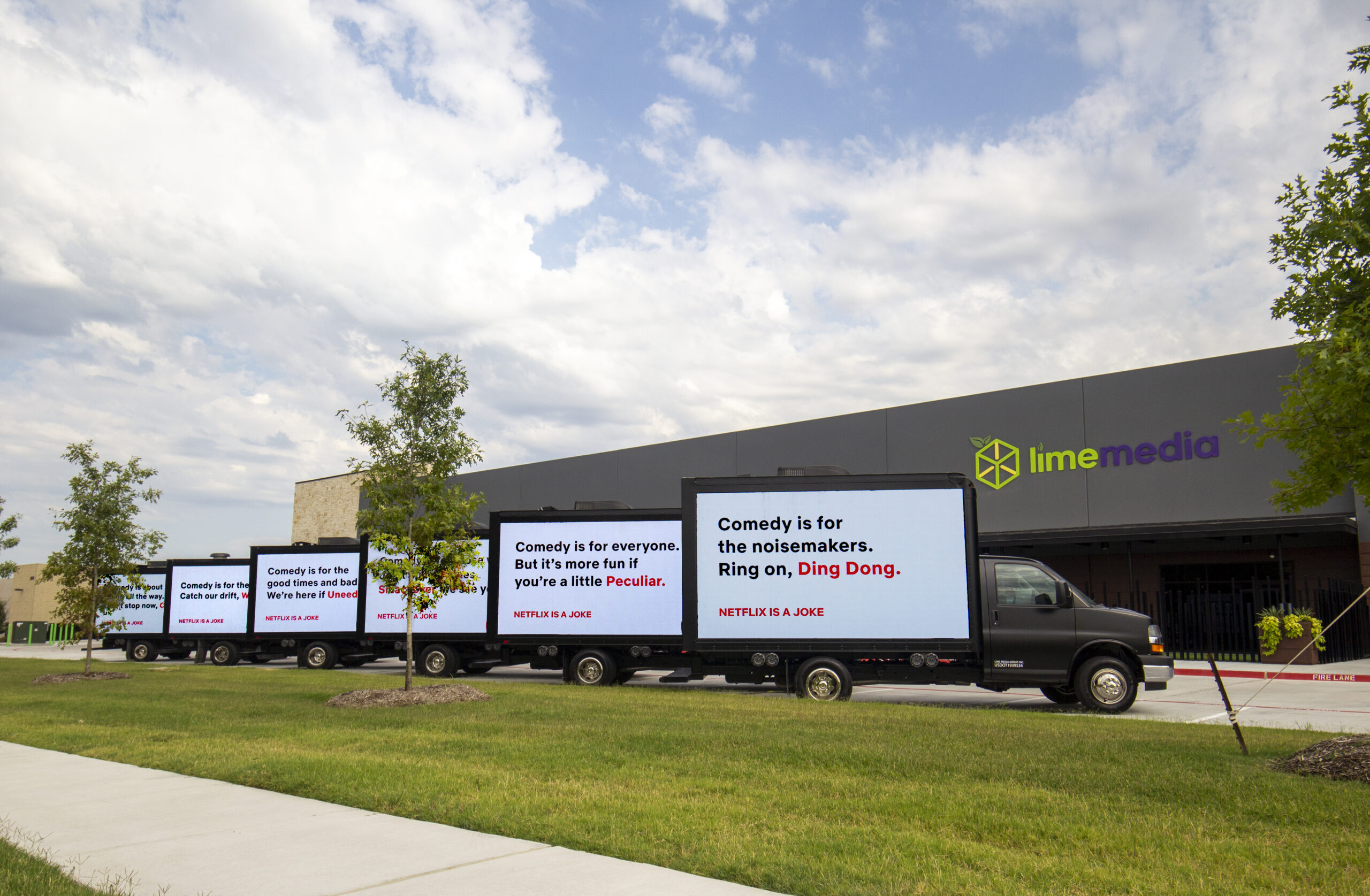
Mobile LED billboard trucks are full-motion digital displays mounted on trucks that travel through city streets, festivals, college campuses, and sporting events. They reposition throughout a campaign to follow audiences across multiple markets and locations, displaying everything from bold static images to full-motion video and animations.

Understanding how mobile digital billboard costs break down helps brands plan campaigns that match their budget to their goals. Several variables influence pricing, and knowing what drives those numbers makes it easier to scope a campaign realistically before going to market.

How Mobile Digital Billboards Work

Before getting into cost specifics, it helps to understand what mobile LED billboard trucks actually do and how they operate. LED billboard trucks mount high-resolution display screens on side and rear panels, running full-motion video, animations, and static images powered by onboard generators. A standard campaign runs displays 8 to 12 hours daily, with content managed remotely through a proprietary app that lets teams update what’s showing in real time from anywhere.

Mobile digital billboards also use smart directional programming, which uses geo-targeting data to list a nearby address with the brand’s message displayed on the LED truck to drive consumers to a nearby location. That capability makes LED trucks particularly effective for brands with multiple retail locations across a campaign market.

LED Trucks Drive Measurable Foot Traffic
to Retail Locations

One of the most common questions brands ask when evaluating digital billboard costs is whether the campaign actually moves people. Third-party foot traffic studies offer the clearest answer, using geofencing and impression tracking to measure how many people exposed to LED truck advertising visited retail locations compared to a control group.

Lime Media conducted two foot traffic studies with Total Wireless by Verizon to measure exactly that. The Chicago study ran for 43 days and tracked results across 8 stores, producing a 45% increase in foot traffic and 2,688 net new retail visits, with an average conversion time of 2 days from ad exposure to store visit. The Miami study ran for 60 days across 19 stores, generating a 30.08% increase in foot traffic and 2,234 net new retail visits, with an average conversion time of 7.8 days.

For brands exploring how to advertise on a digital billboard, positioning is one of the first decisions that shapes campaign performance.

How Mobile Digital Billboard Campaigns Are Priced

Mobile digital billboard pricing depends on several variables that shift based on how a campaign is structured. Understanding what goes into a quote helps brands budget accurately and compare options realistically. The core cost components include:

How Campaign Scale Affects Per-Market Costs

Larger deployments spread fixed costs across more locations, which changes how brands should think about per-market pricing. A brand running one truck in one city for two weeks carries very different cost dynamics than a brand running 15 trucks across hundreds of markets over the course of a year. At that scale, the cost per market drops significantly while total reach increases.

Lime Media deployed 15 LED billboard trucks for AT&T across 475 total markets from February through December 2021, activating for 120 hours in each market to raise awareness of AT&T’s new fiber network and product offerings. That kind of national footprint would be cost-prohibitive with permanent billboard installations but becomes achievable with mobile LED trucks that reposition throughout the year.

Positioning at High-Traffic Events

Where trucks are positioned during a campaign affects both performance and planning costs. Festivals, sporting events, concerts, and college campuses concentrate large audiences in defined areas and timeframes, making them high-value positioning opportunities. College campuses during move-in weeks, stadium entrances on game days, and festival grounds during peak hours all put LED displays in front of audiences who are stationary long enough to absorb messaging. Event-based positioning often requires additional permitting and advance route planning, which factors into overall campaign costs.

Pairing LED Trucks with Sampling and Display Vehicles

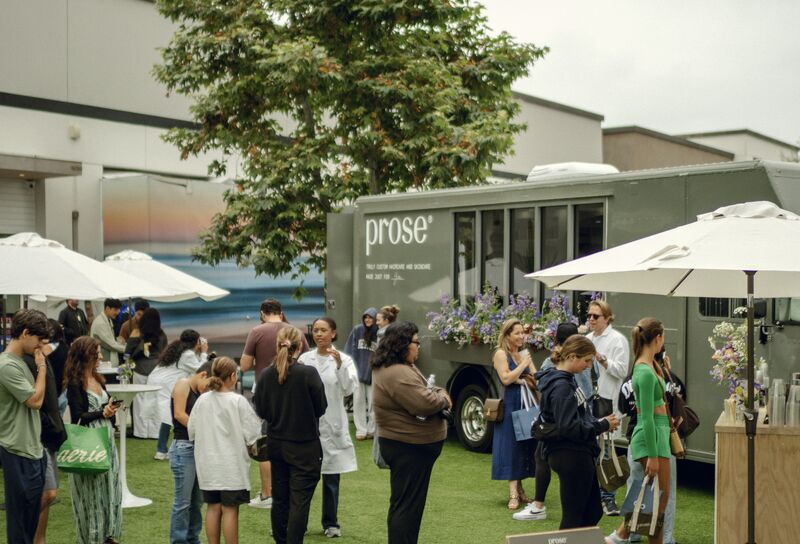
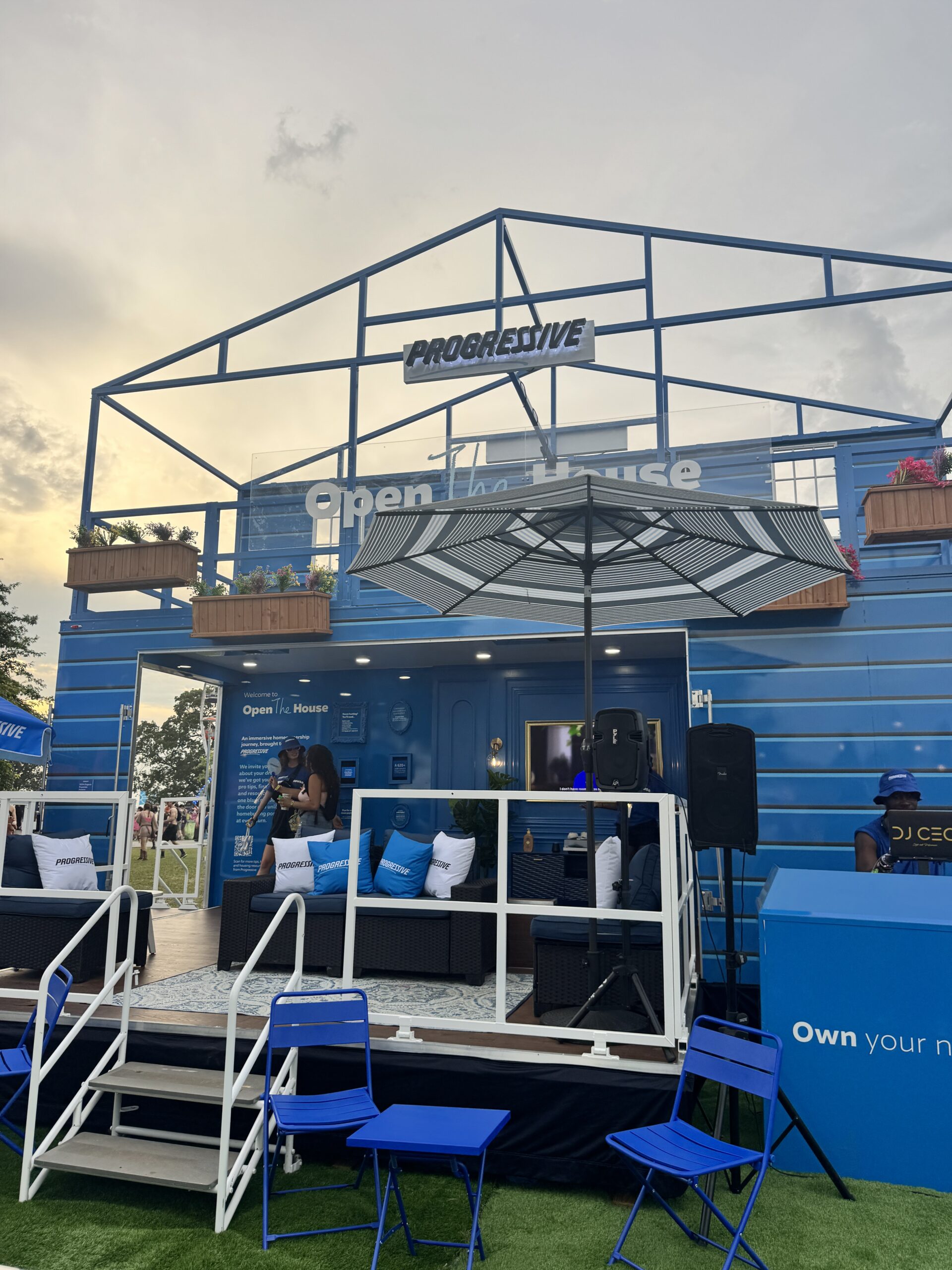
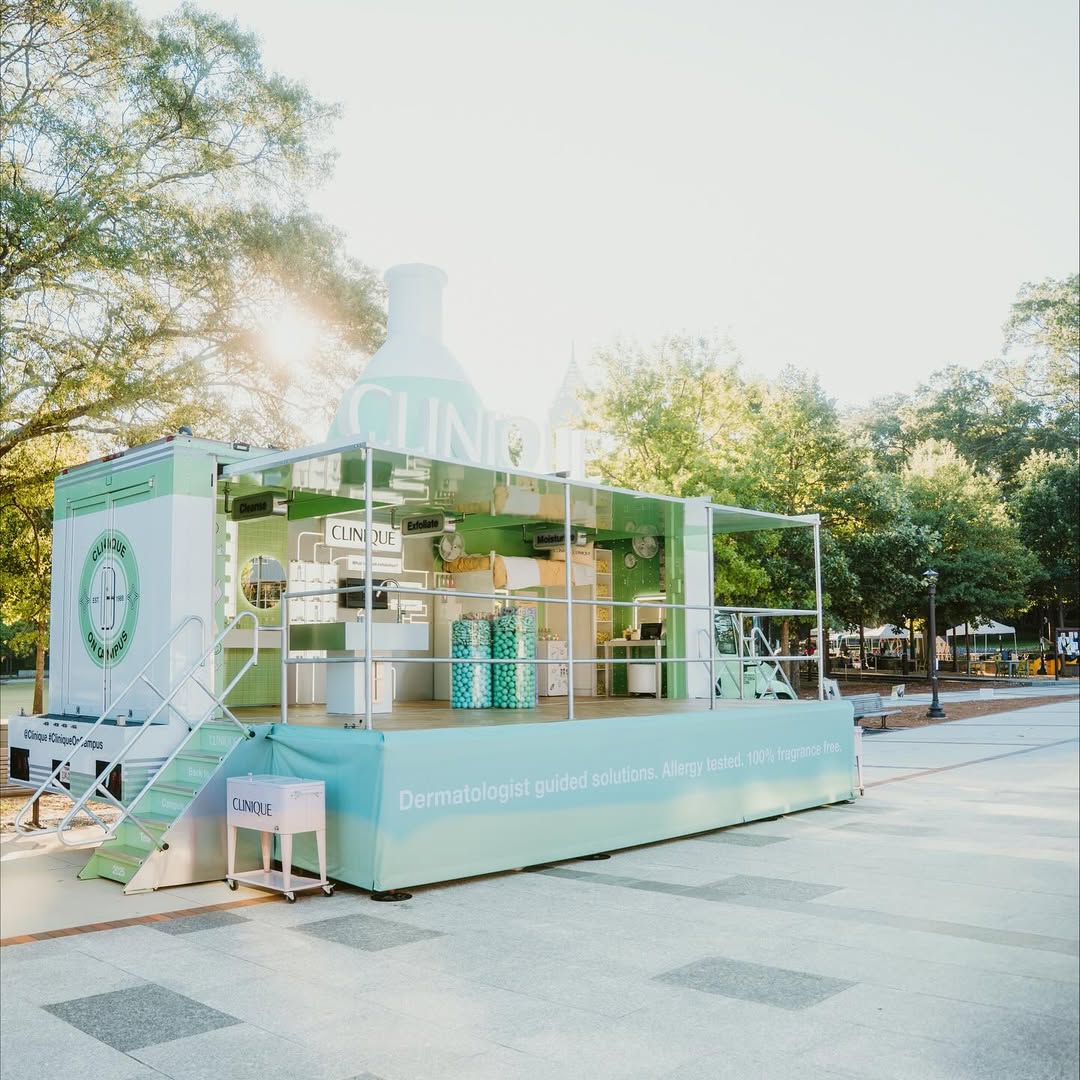
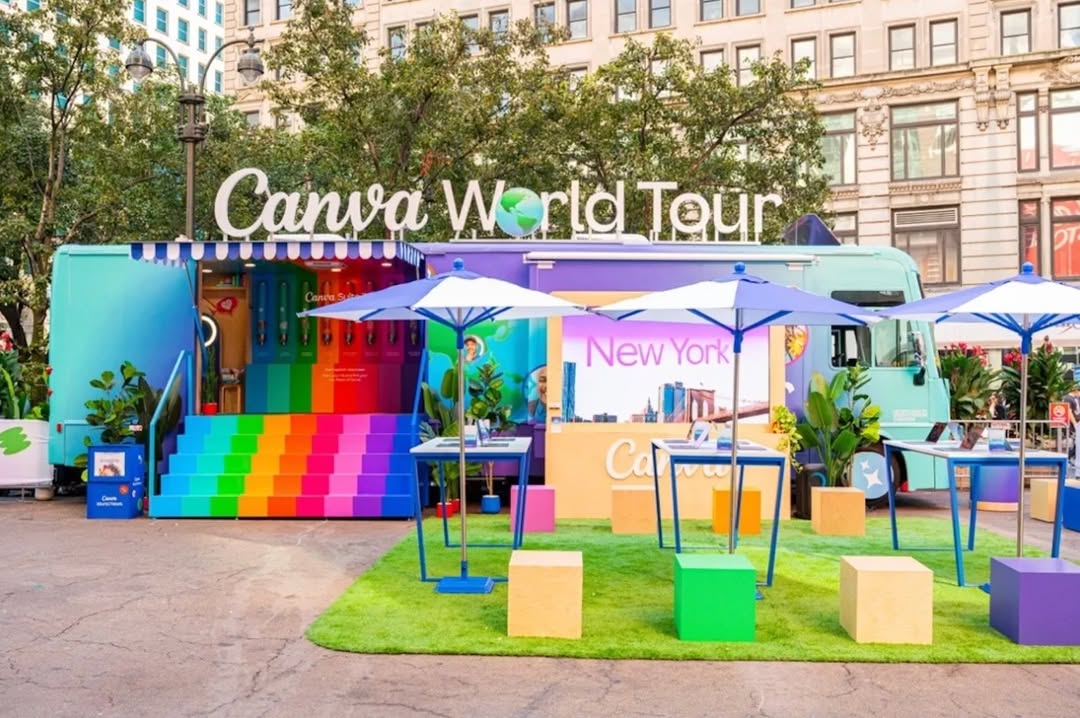
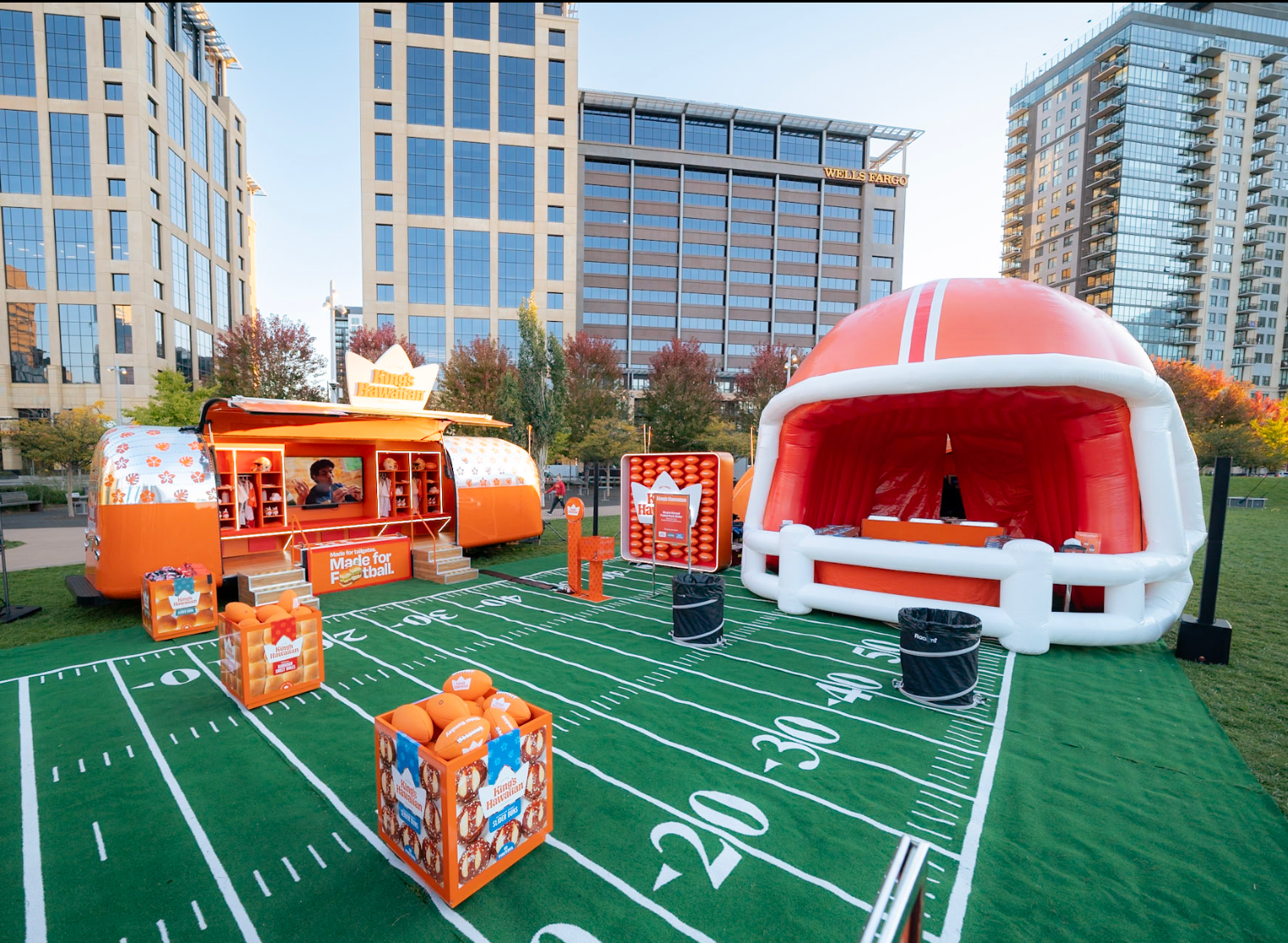
LED billboard trucks handle awareness and visibility, but some campaigns need a physical space where people can stop, interact with a brand, and try products in person. Adding sampling and display vehicles to an LED campaign expands what the activation can accomplish and affects overall campaign pricing accordingly:

  • Glass Display Units: Transparent windows let customers examine products up close from the outside before stepping in. Available in 12-foot, 16-foot, and 24-foot configurations, glass trucks work well for products where visual appeal and hands-on examination influence purchasing decisions.
  • Stage Trailers: Open on multiple sides to create fully branded activation spaces for live demonstrations, product sampling, and consumer interactions. 24-foot stage trailers expand to 24×16-foot spaces, while 32-foot configurations offer wheelchair accessible options for larger activations.
  • Airstreams: Available in gullwing configurations or with serving windows, Airstreams function as sampling stations or mobile retail spaces positioned alongside LED trucks to give audiences somewhere to stop and engage.

Custom 3D Product Replicas and Special Marketing Projects

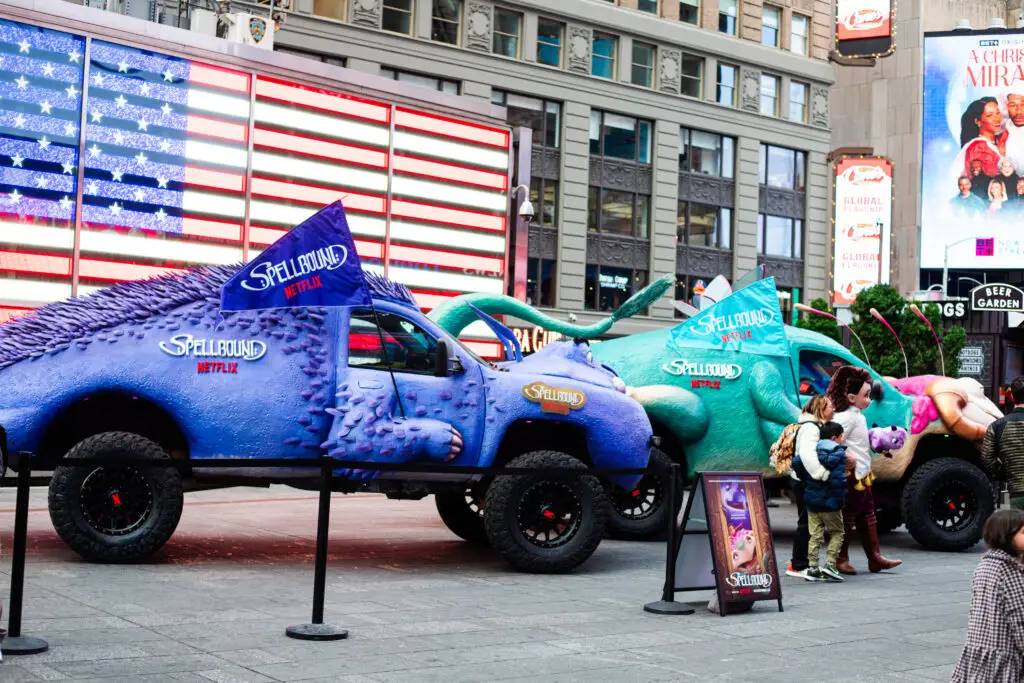
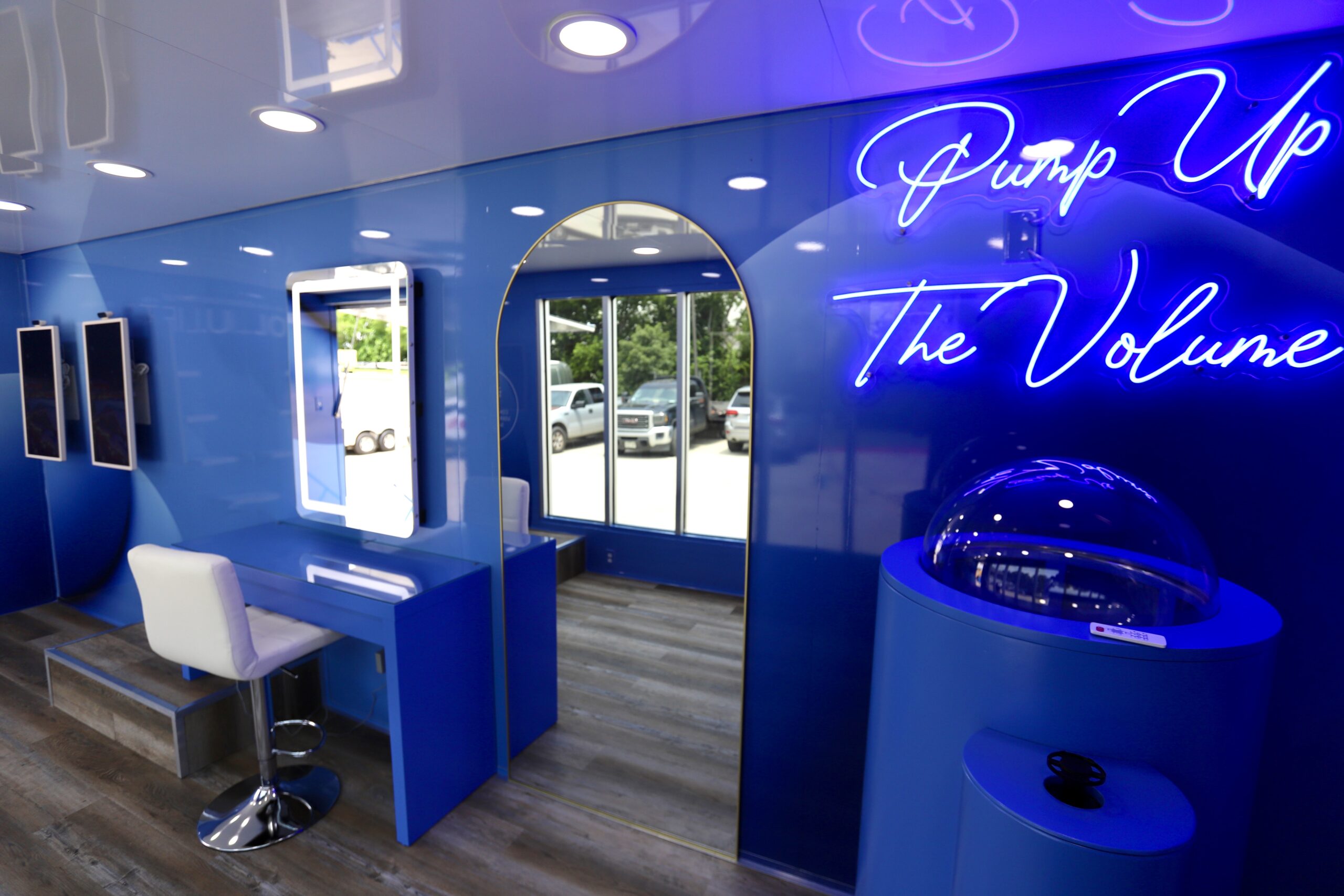
Custom 3D product replicas are a separate cost category from standard LED truck campaigns, but make a strong addition to activations that need a physical centerpiece to stop foot traffic and generate social sharing. Lime Media’s special projects division builds giant driving product replicas like bottles, phones, purses, and gold bars, requiring 600 to 2,000+ labor hours depending on complexity, using steel frames, foam sculpting, fiberglass, and vinyl wrapping. These builds are priced as special marketing projects and involve fabrication timelines that standard vehicle rentals don’t require.

Mobile Billboard AdvertisingCampaigns With Lime Media

Lime Media operates 250+ mobile vehicles, including LED billboard trucks, glass display units, custom trailers, and 3D product replicas across the US and Canada. With a fleet of 80 LED billboard trucks located in top DMAs nationwide, we handle everything from vehicle fabrication and route planning to permit acquisition, driver staffing, and GPS tracking through our proprietary app for proof of performance. Our smart directional programming uses geo-targeting data to list a nearby address with the brand’s message displayed on the LED truck to drive consumers to a nearby location, and Lime’s proof of performance app gives brands real-time impression and performance data across every LED campaign.

View our full campaign portfolio and contact us to discuss your mobile digital billboard campaign.

featured experiential projects

create. engage. move.    create. engage. move.    create. engage. move.    

Frequently Asked Questions

How much does a mobile digital billboard campaign cost?
Mobile digital billboard costs have a flat daily rate depending on the quantity of trucks, campaign duration, geographic coverage, and route complexity.
Larger deployments spread fixed costs across more markets, which changes how brands should think about per-market pricing. A single truck running in one city carries very different cost dynamics than a fleet deployed across hundreds of markets over several months.

When you submit a contact form and indicate that you are interested in LED trucks, a representative from Lime Media will reach out to ask how many mobile billboard trucks for your campaign, which markets you want to run them, and for how long to determine pricing. Lime Media can use Ideal Customer Profile (ICP) mapping, identifying where target audiences live, work, and spend their time. From there, routes are constructed around trade routes, key points of interest (POIs), and high-traffic “hot zones”, ensuring mobile digital billboards circulate through areas where audiences are most concentrated.

Modern mobile OOH campaigns can be measured and verified through GPS-tracked route maps, ad log–based proof of play, geotagged photo verification, and impression reporting tied directly to campaign routes. Providers like Lime Media integrate these tools to ensure advertisers have clear visibility into where and how their campaigns are delivered.