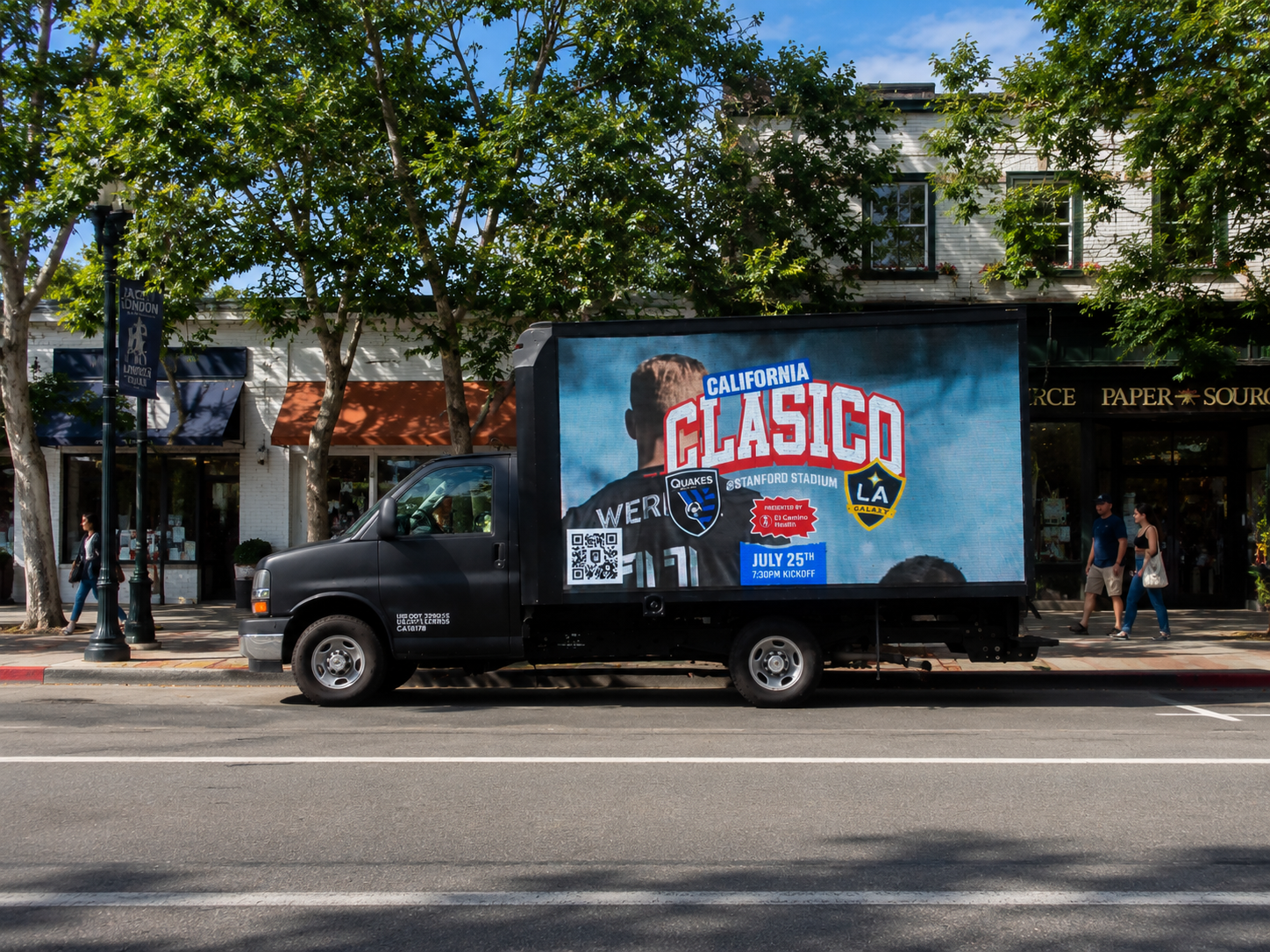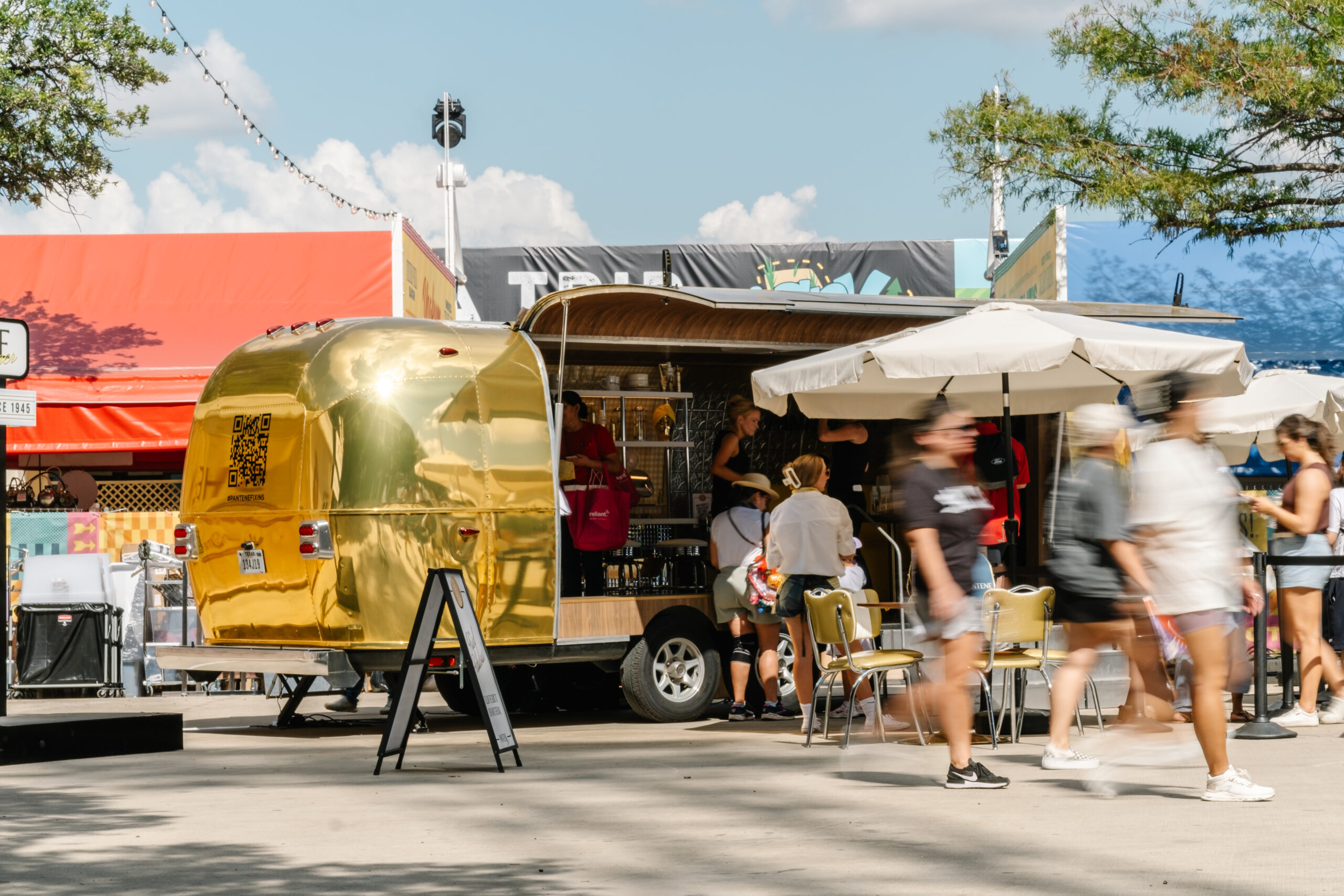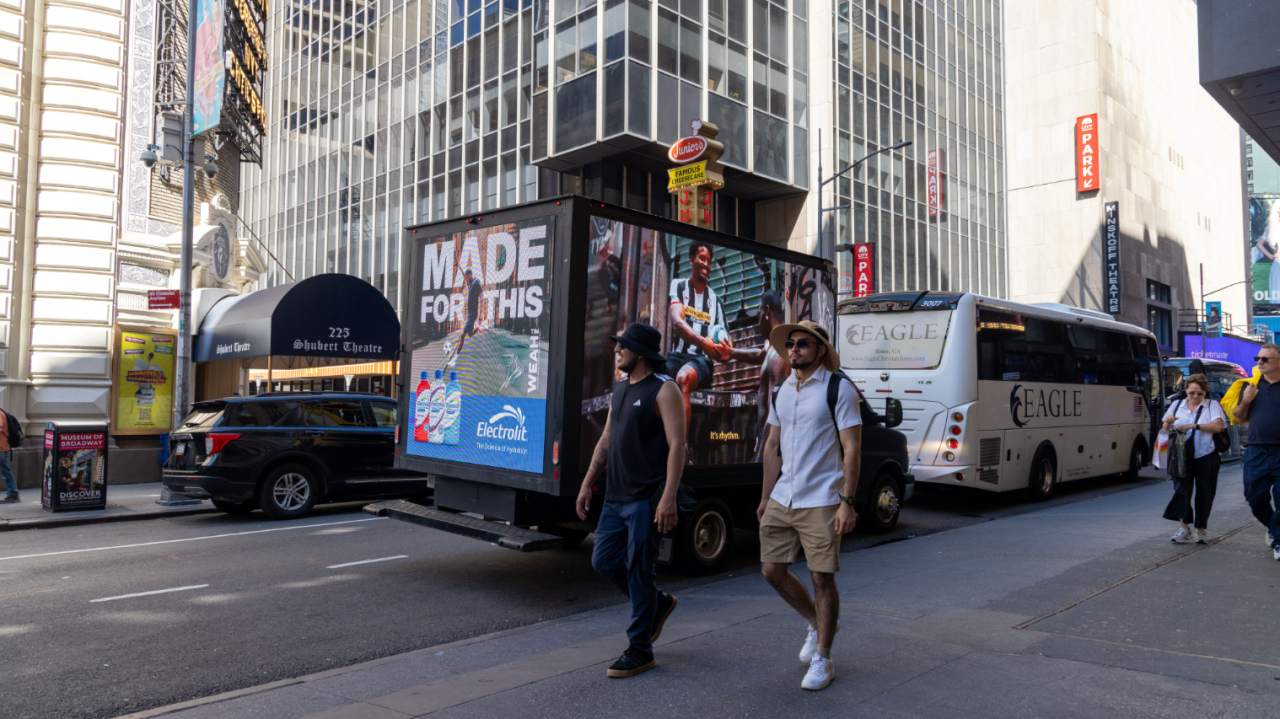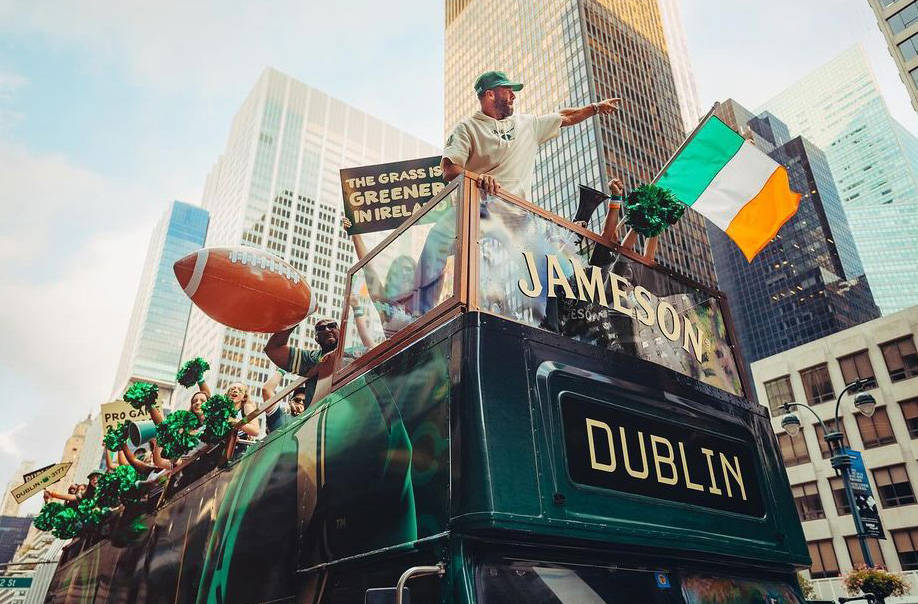
The best experiential marketing campaigns don’t just show people a brand—they let customers touch products, taste samples, and walk away with something they’ll remember. A glass truck transforms into a mobile showroom, where individuals can see skincare ingredients through transparent panels. LED billboard vehicles use eye-catching displays to catch attention, targeting the brand’s specific audience based on location. An experiential marketing agency handles vehicle selection, location targeting, and creating interactions that turn event attendees into customers.
What Experience Marketing Is and Why Brands Use It
Experience marketing puts products directly in customers’ hands through mobile activations, sampling tours, and interactive displays. A skincare brand sets up testing stations inside an Airstream where festival attendees try lotions and take home samples. A snack company distributes new flavors from a step van parked at a half-marathon finish line. People remember products they’ve tasted, touched, or tested more than ads they scroll past online.
Vehicles move to different neighborhoods throughout the day based on where target audiences spend time. An LED truck displays breakfast promotions outside a business district at 8 am, then drives to a university campus by noon to reach students between classes. A glass display unit visits three different shopping centers across Dallas, Frisco, and Plano during a single weekend.
Mobile Campaigns Reach People at the Right Moment
Timing determines whether someone pays attention to a brand experience or walks past without noticing. Campaigns position vehicles where target audiences gather during moments when they’re most receptive:
- Concert Venues: A beverage brand parks an LED truck outside at 6 pm when thousands of people arrive thirsty, showing which flavors are sold inside while staff hand out samples to attendees walking toward the entrance
- College Move-In Week: Families need laptops, mini-fridges, and dorm supplies, so a tech brand positions a glass truck near residence halls where students examine phone cases and charging cables through transparent panels while waiting in line for room keys
- Farmers’ Markets: Saturday mornings attract shoppers already thinking about health and wellness products, making it the right time for skincare brands to set up sampling stations where people browse and test products
Face-to-Face Interaction Changes Purchase Decisions
Someone who samples a new granola bar at a 10K finish line remembers that flavor when standing in the grocery store aisle three days later. Testing a product creates a different memory than seeing an online ad. A beauty brand sets up mirrors and product testers inside an Airstream at a music festival, where attendees apply moisturizer, feel its effects on their skin, and take home sample packets with purchase information. Staff answer specific questions that product packaging doesn’t cover.
A runner asks whether the protein bar contains dairy. A student wants to know if a phone case fits with a screen protector already installed. Someone at a business conference asks how a software subscription handles data security. These conversations happen in 30 seconds while someone examines products through glass panels or receives samples at a serving window.
How Mobile Activations Function
An LED truck moves throughout the day based on where target audiences spend time. GPS programming automatically switches content based on location, sports promotions appear when the truck passes a stadium, and then family-oriented messaging displays near schools. Brands update content remotely through mobile apps without stopping the vehicle or reprinting materials.
A touring campaign can visit multiple cities with the same vehicle and staff team. Canva’s Brandwagon traveled to 14 cities over 31 days, bringing the activation to different communities rather than building separate setups at each stop. A brand activating at weekend festivals sends one vehicle to each event instead of shipping equipment and hiring new staff every time.
Planning Routes, Vehicles, and Timing for Mobile Campaigns
Route planning places vehicles where target audiences spend time—business districts during lunch hours, college campuses between classes, shopping centers on weekends. LED trucks work well for awareness campaigns, while glass display units and sampling trailers are great for products that people need to see or taste. Staff who know product details answer questions and explain features that packaging doesn’t cover:
Target Audience and Consumer Behavior
CeraVe’s Drama-Free Cleansing Tour hit NYC, Chicago, Nashville, and Atlanta in July and August 2024. The 32-foot stage trailer offered dermatologist consultations, interactive games, and city-specific giveaways. Over 16,000 people engaged with the brand, and CeraVe distributed 25,000 products across the four cities.
Walmart’s Fall Style Tour deployed 8 Airstreams to 40+ cities from New York to Los Angeles between September and November 2024. Each Airstream featured curated fashion looks with QR codes for immediate ordering and home delivery. The tour was activated during the fall shopping season when people refresh their wardrobes. The campaigns positioned vehicles in major markets during active shopping seasons rather than off-peak times or low-traffic areas.
Vehicle Types and Interactive Elements
Someone passing a standard van has no reason to look twice, but unusual builds and transparent displays create curiosity. The vehicle itself becomes part of the experience:
- Glass Trucks: Transparent 16-foot to 28-foot vehicles display products through clear panels where people can examine packaging, ingredients, and materials before staff open serving windows or gullwing sides for samples and purchases.
- Custom 3D Builds: Giant product replicas like driving almonds, gold bars, or a football helmet with a working slider conveyor belt make people pull out phones immediately to photograph and share on social media (these builds take 600-2000 hours using steel frames, foam sculpting, fiberglass, and vinyl wrapping).
- Stage Trailers: A 24-foot stage trailer opens dual sides to create presentation spaces for cooking demonstrations, product workshops, or sampling stations that accommodate crowds at sporting events and festivals.
Technology and Social Media for Maximum Reach
LED trucks use 11-foot side panels and 7-foot rear panels that display high-resolution video updated remotely through proprietary apps. Smart directional programming switches content automatically based on GPS location—a restaurant displays breakfast items at 8 am near office buildings, then switches to lunch specials by noon.
Content updates without stopping the vehicle or requiring staff to update displays manually. Someone who photographs a giant driving an almond at a music festival tags the brand when posting to Instagram. A customer sampling a new beverage at a tailgate shares their memorable experience on TikTok within an hour. These posts reach the person’s followers who weren’t at the activation, spreading campaign visibility to people who never saw the truck.
Experiential Marketing Strategies and Campaign Types
A beverage brand launching a new flavor needs people to taste it before they buy it at stores. An LED truck is effective for a retailer promoting weekend sales because the goal is to capture people’s attention and encourage them to visit the location. A tech company demonstrating how protective phone cases work needs a glass truck where customers can examine materials up close. Matching vehicle type to what the brand wants to accomplish determines campaign setup:
Event Marketing and Pop-up Experiences
Brands position vehicles at high-traffic events where thousands of people gather in concentrated areas. Vehicle type and timing depend on the audience and activation goals:
- Music Festivals: A beverage brand parks a serving-window Airstream near the main stage where crowds pass between performances, handing out cold samples during the afternoon heat when people want drinks
- Sporting Events: An LED truck shows game highlights and sponsor content in parking lots during pre-game hours, while a snack brand distributes samples from a vintage Citroen during tailgating
- College Campus Events: Move-in week brings families unloading cars at residence halls, where a tech brand parks a glass truck displaying laptops and phone accessories, and parents shop for dorm supplies
Product Demonstrations and Sampling Campaigns
Food brands operate from trailers with serving windows, handing out samples at outdoor concerts and weekend markets. Beauty companies set up mirrors and testers inside Airstream interiors where customers apply moisturizer and see how it feels on their skin.
A 24-foot glass truck showcases complete skincare lines, allowing people to browse bottles and read ingredient lists through transparent panels. A cleaning product brand demonstrates stain removal inside an expandable trailer, spraying fabric samples while shoppers watch. Kitchen brands cook food samples from serving windows in Airstreams using the featured appliances, allowing people to taste the results immediately.
Regional Tours Covering Multiple Markets
A brand can spend weeks touring multiple cities, re-using the vehicle and staff team rather than running separate activations simultaneously. Canva’s Brandwagon traveled to 14 cities over 31 days, bringing design tools and creative workshops to different communities across the country. The setup visited town squares, public spaces, and community events in each market.
Holiday shopping brings crowds to retail centers during the months of November and December. LED trucks park outside shopping centers, showing gift promotions when foot traffic jumps. Summer tours visit beach towns and lake communities where people vacation. Back-to-school campaigns typically hit suburban neighborhoods in August, when families purchase supplies and students prepare for the new semester.
Mobile Campaign Examples From Lime Media’s Portfolio
Brands use mobile campaigns to target audiences at festivals, sporting events, and college campuses, where people congregate. These activations show how vehicles, interactive elements, and route planning create face-to-face brand experiences:
Kings Hawaiian NFL Tour Brings Game Day Experience to Football Fans
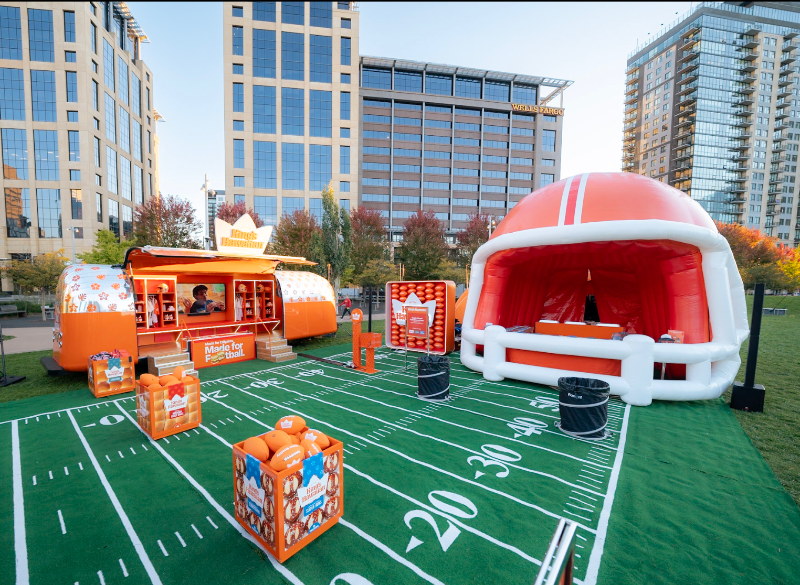
Kings Hawaiian needed to reach football fans during the season when they’re thinking about game day food. Lime Media partnered with entertainment3sixty to build a custom activation centered around a giant football helmet with a working slider conveyor belt inside. The helmet dispensed Kings Hawaiian sliders to fans while an interactive football toss game gave attendees another way to engage with the brand.
The tour visited NFL stadiums and tailgate areas where thousands of fans gather hours before kickoff. The massive helmet caught attention from across parking lots, drawing crowds who lined up for slider samples, played the football toss, and photographed the vehicle to share on social media.
Canva Brandwagon Touring Activation Across 14 US Cities
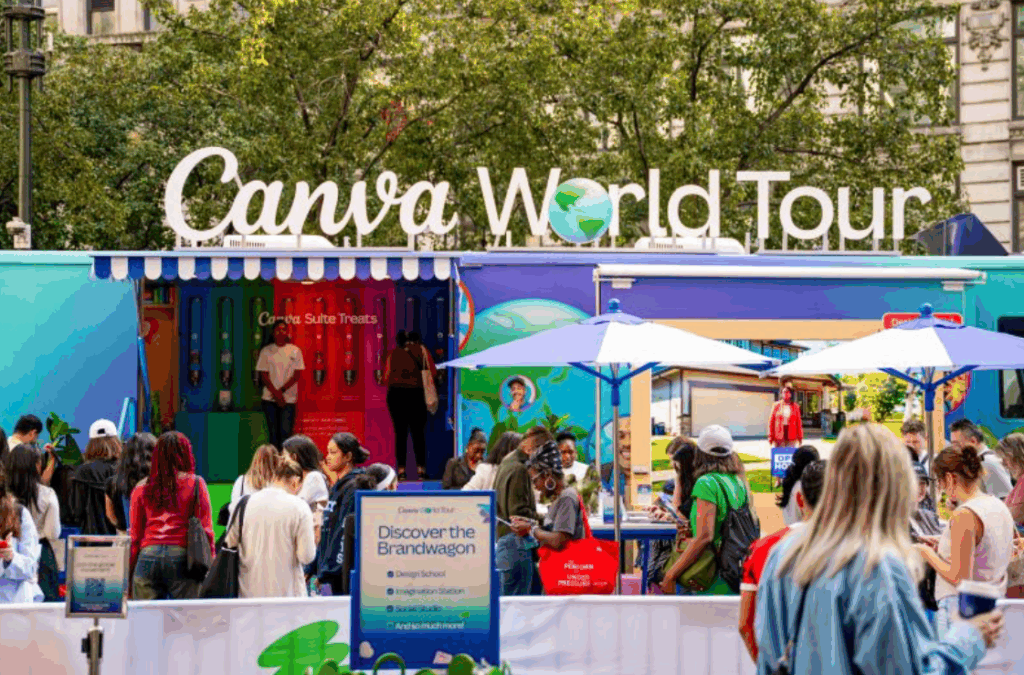
Canva wanted to bring design tools directly to communities rather than waiting for people to discover the platform online. Lime Media partnered with Public School to create the Canva Brandwagon—a vibrant mobile unit that traveled to 14 cities over 31 days. The vehicle’s bold graphics made it stand out in town squares and public spaces.
The activation invited people to step inside and create custom designs using Canva’s platform. The bandwagon positioned itself at farmers’ markets, community festivals, and downtown areas where someone walking by would see the colorful vehicle, step inside, and spend time designing while staff explained how the tools worked.
Clinique Campus Tour Reaches College Students at Multiple Universities
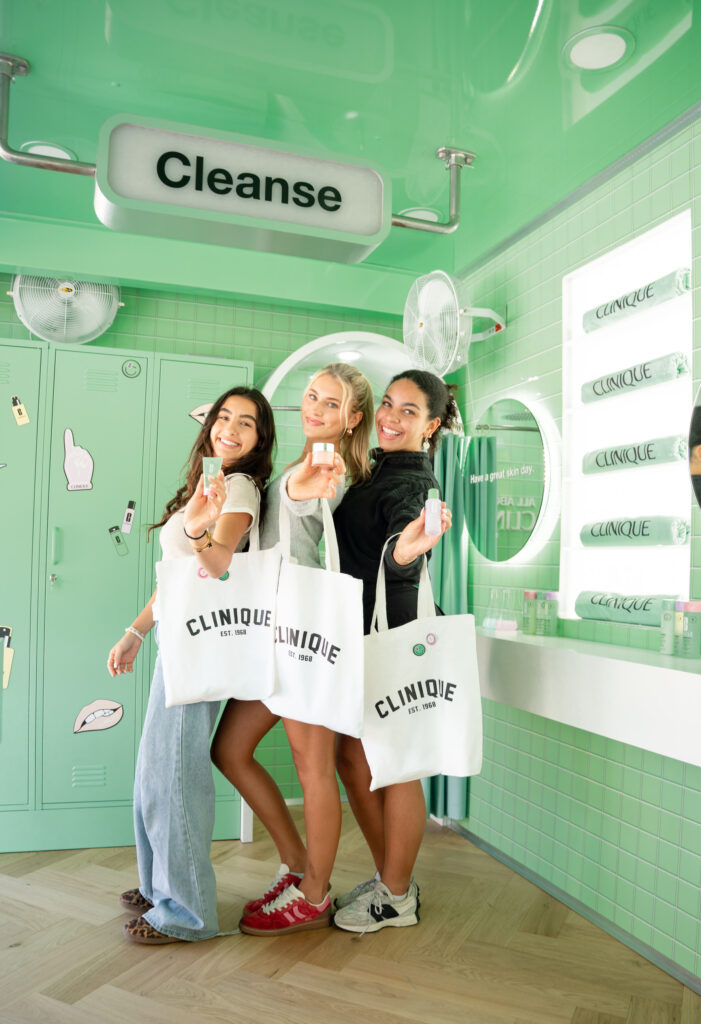
Clinique targeted college students during the school year when they’re on campus and receptive to trying new beauty products. Lime Media partnered with North Six to launch a custom 24-foot stage truck that opened its sides at each campus, creating an interactive setup where students could explore products, test samples, and collect beauty items.
The truck’s bold design caught the attention of students as they walked between classes. Staff set up product displays, mirrors, and testing stations where students could try moisturizers and skincare items while asking questions.
Best Experiential Marketing Campaigns Start With Lime Media’s Mobile Fleet
Lime Media operates over 250 mobile vehicles, including LED trucks, glass display units, custom trailers, and 3D product replicas. We handle vehicle fabrication, route planning, staffing, permit acquisition, and activation management across the US and Canada. Our custom builds include giant driving almonds, monster trucks, gold bars, and product-shaped vehicles. Contact us to discuss your next mobile campaign.
Frequently Asked Questions
What makes experiential marketing campaigns successful?
Successful campaigns put brands in front of people at the right time and in the right place. Mobile vehicles reach festival crowds, college students, and business districts, while glass trucks, LED displays, and custom product replicas allow people to interact with products and share photos online.
How do brands measure experiential marketing campaign performance?
Brands track performance through GPS monitoring that shows which routes and times generate the most attention. Analytics reveal which neighborhoods are most engaged with activations, and social media posts from participants demonstrate how far campaign content extends beyond immediate foot traffic.