Personalized Marketing

Everything You Need to Know About Personalized Marketing

Brands have more ways to reach audiences than ever before, but reaching people and actually connecting with them are two different things. A message that feels generic gets ignored. A message that feels relevant to who someone is and what they are doing gets noticed. That gap is what personalized marketing is designed to close, and it shows up across every format—from targeted emails and social ads to physical brand experiences that show up where audiences already are.

What Is Personalized Marketing?

Personalized marketing is the practice of tailoring brand messages and customer experiences to specific audiences based on who they are, where they are, and what they are already doing. Rather than pushing a single message to the widest possible audience and hoping it sticks, personalized marketing focuses on reaching the right people with something relevant to their specific context.

This applies across every stage of how a brand connects with its audience. A retail brand might target shoppers differently based on their purchase history. A food brand might show up at tailgates because that is where its core audience spends Saturday afternoons. A skincare brand might bring product sampling to college campuses because that is where its next generation of customers is. The common thread is that the message, the format, and the location are all built around the audience rather than the other way around.

Types of Personalized Marketing

Personalized marketing shows up in a lot of different formats depending on where a brand is trying to reach its audience and what kind of interaction it is looking for. Some of the most common approaches include:

Email and Digital Advertising: Messages tailored to a person’s browsing history, past purchases, or demographic profile delivered through email, social media, or display ads.

Location-Based Marketing: Campaigns that target audiences based on where they are, whether through geofenced digital ads or physical activations in specific neighborhoods, venues, or events.
Product Recommendations: Suggesting relevant products to customers based on their purchase history or expressed interests.
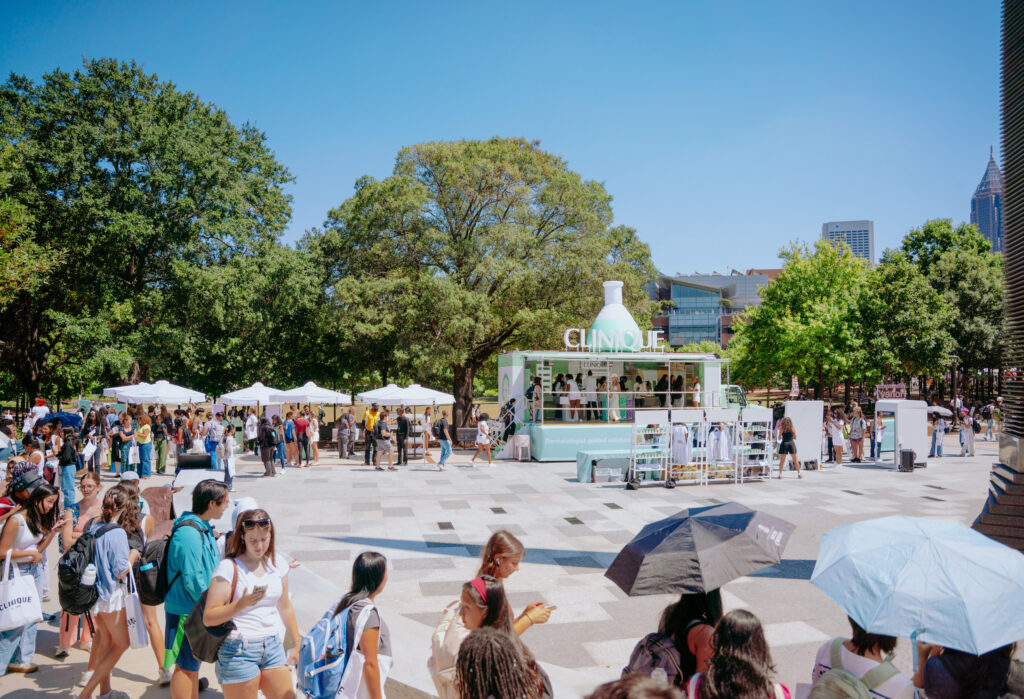
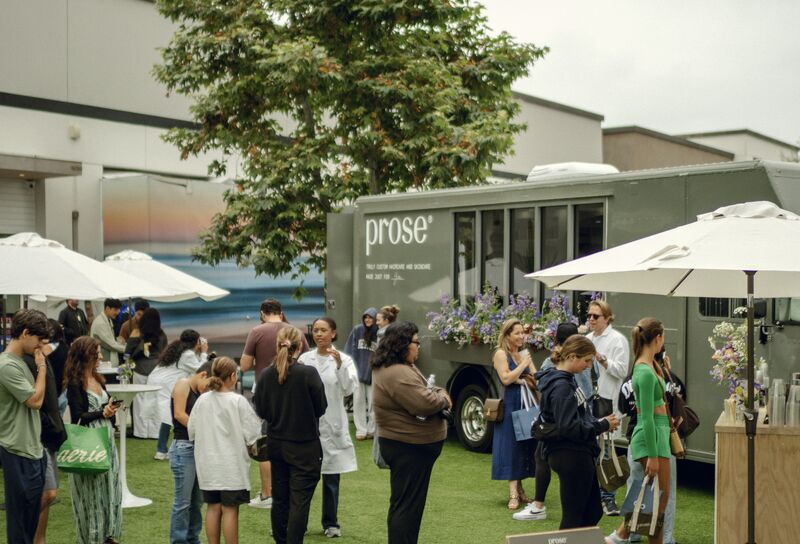
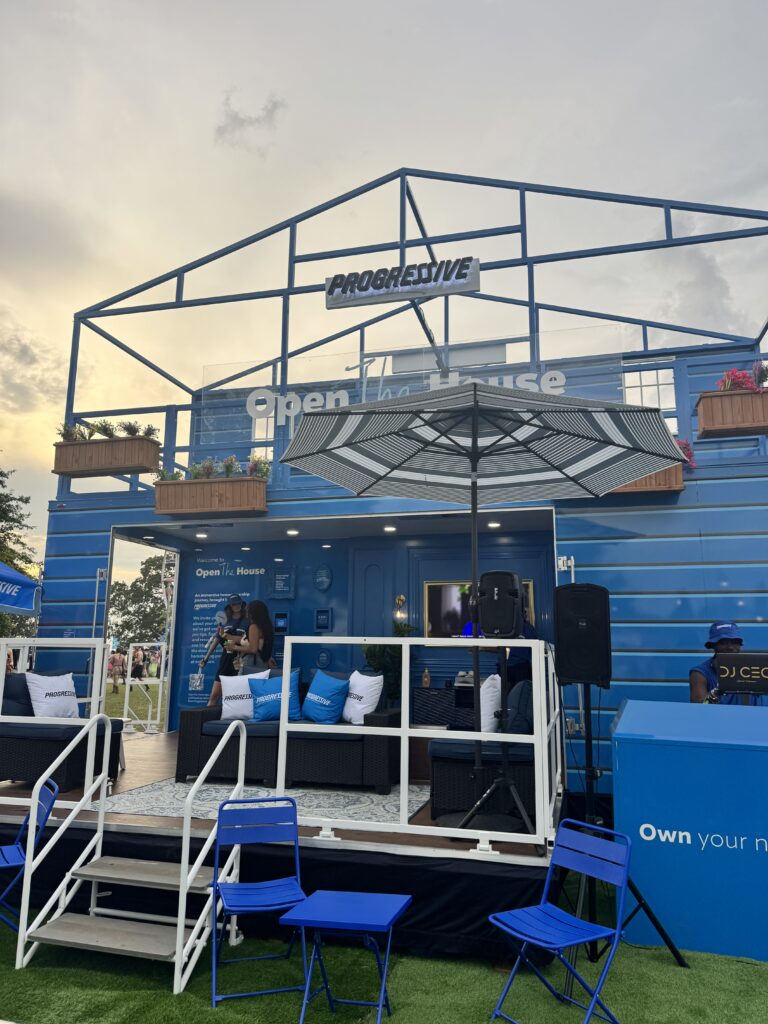
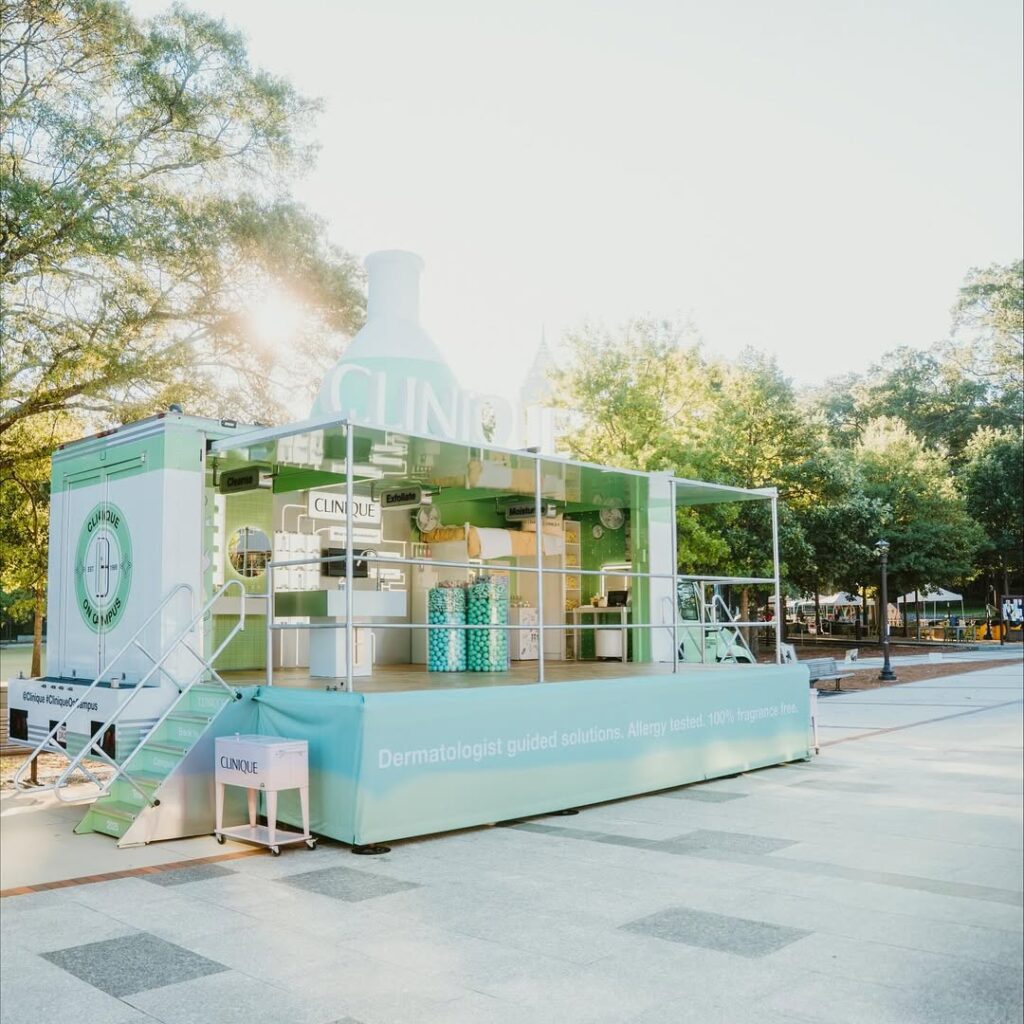
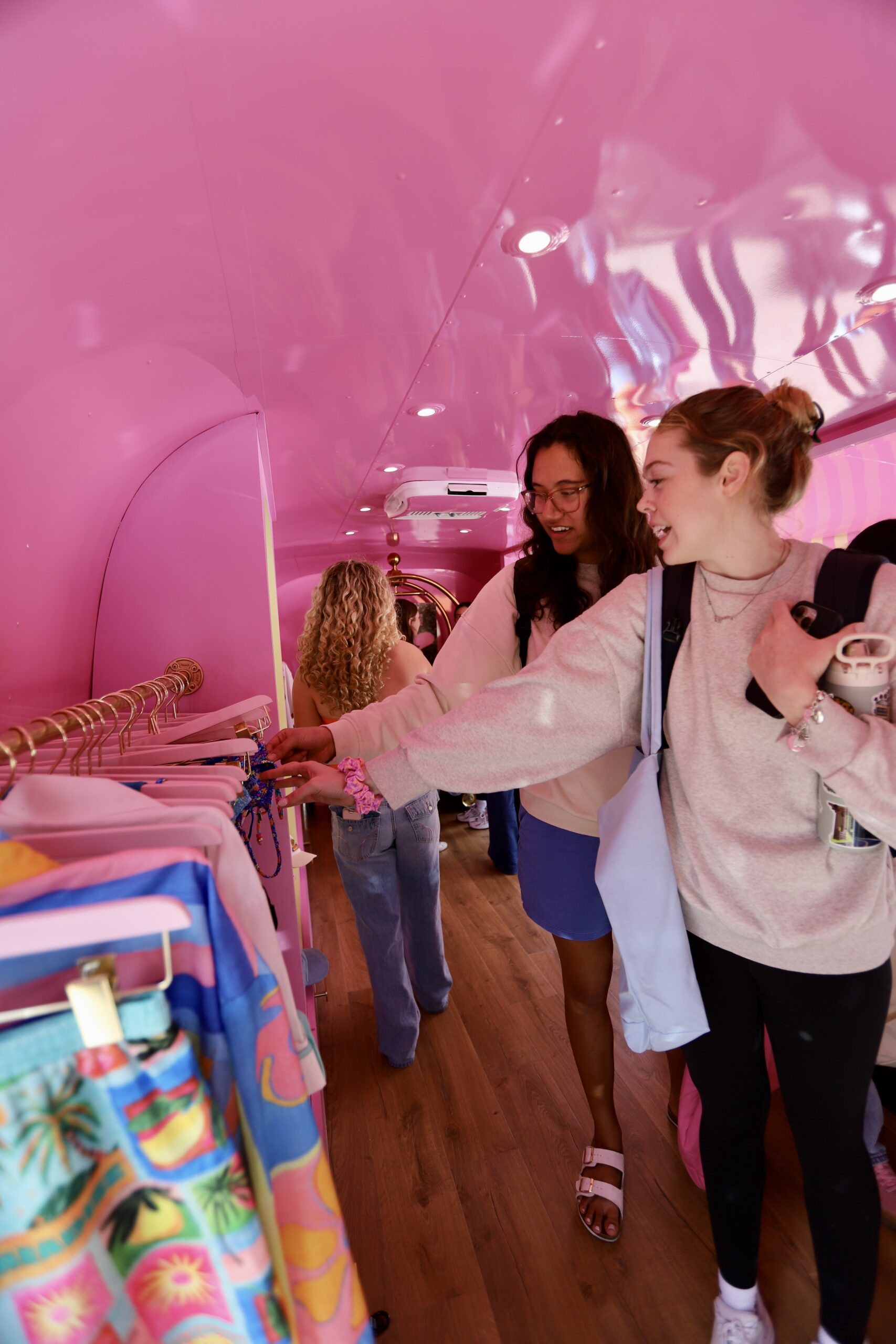
Experiential and Mobile Marketing: Bringing brand activations directly into the physical spaces where target audiences gather, including festivals, sporting events, college campuses, and retail districts, using vehicles like LED trucks, custom trailers, and branded Airstreams to create face-to-face interactions tailored to that specific audience and environment. Lime Media’s Clinique campus tour is a good example of this in practice, rolling out a custom 24-foot stage truck to colleges across DC, Miami, Georgia, Austin, and Canada during August and September 2025 so students could explore products and receive beauty perks on location.

Each format serves a different purpose, but the underlying goal is the same: making the audience feel like the message was built for them specifically rather than blasted at everyone.

How Personalized MarketingWorks in Practice

Putting personalized marketing into practice means making decisions about format, location, and timing based on where a specific audience actually is and what they are doing there. For mobile campaigns, this plays out through the vehicle type, the activation design, and the route, all of which get built around the target audience rather than a general market. Custom-branded experiences resonate most when they match the environment where audiences gather. The same product can require a completely different activation depending on whether the audience is NFL tailgaters or college students.

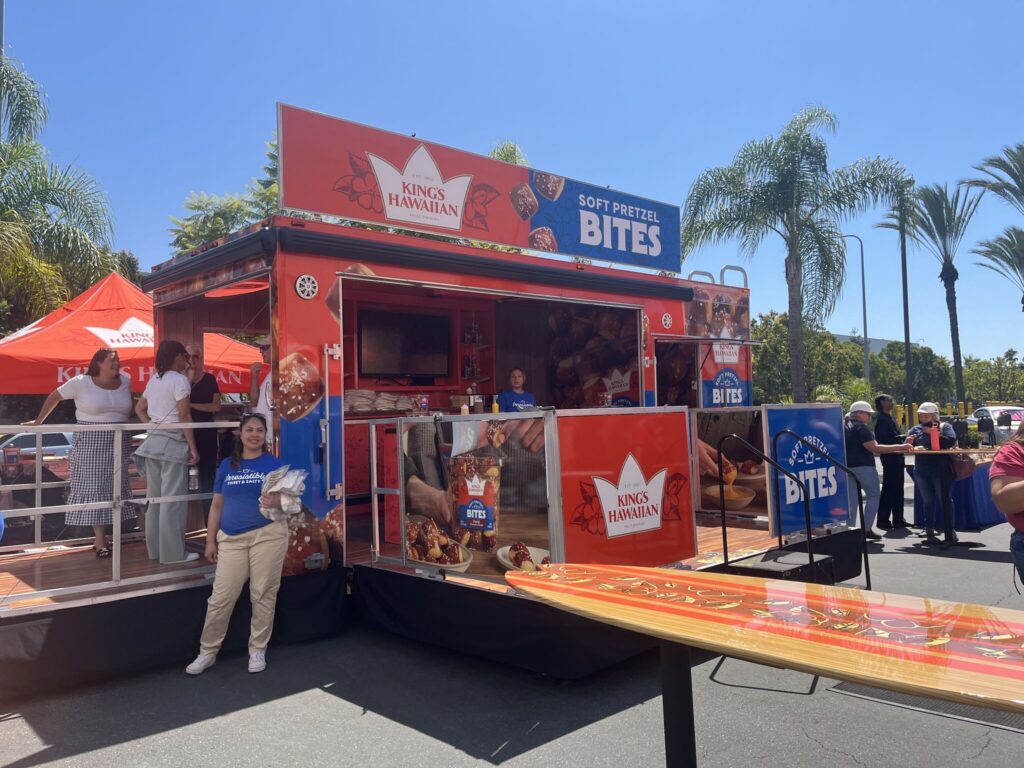
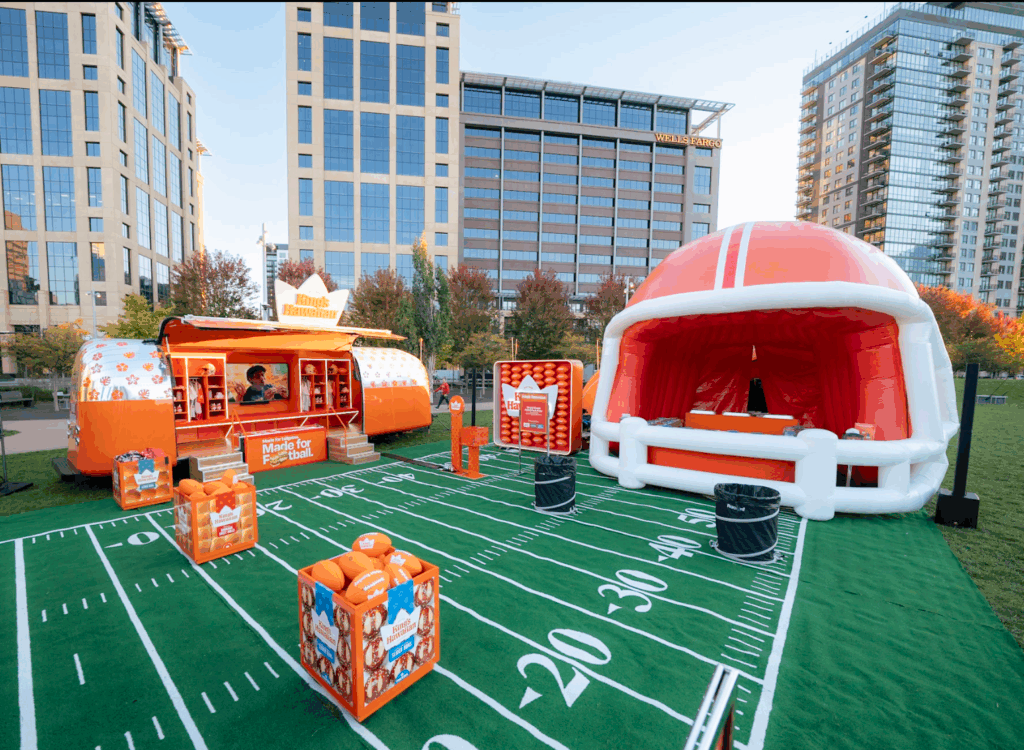
Kings Hawaiian’s NFL tour, fabricated by Lime Media, is a good example of this in practice. Rather than running a broad awareness campaign, the activation brought slider sampling directly to football fans at tailgates, with a conveyor belt built inside a giant football helmet and an interactive football toss. The experience was designed around what fans were already doing—gathering, competing, and eating—which made the brand feel like a natural part of game day rather than an interruption.

Designing the right experience for the right audience is one side of personalized marketing. The other is collecting customer data from each activation and using it to measure what actually worked and make the next campaign sharper.

Tracking Results to Adjust Future Routes

Data is what separates a one-time activation from a personalized marketing strategy that improves over time. Mobile campaigns use GPS tracking to record where vehicles drive, how long they stay at each location, and the number of impressions generated at each stop. That information tells brands which locations and times of day actually connect with their target audience, so future routes can be built around what works rather than what sounds good on paper.

Foot traffic studies take this a step further by measuring how many people visited a retail location after being exposed to a mobile campaign, giving brands a direct line between activation and action. Lime Media’s proprietary app tracks routes, hours, and impressions in real time, and captures and validates campaign delivery through onboard technology, location intelligence, and audience mobility data, giving brands verified performance results rather than estimates across every market. Lime Media’s LED truck campaigns specifically include:

Lime Media :Marketing Personalization Through Mobile Activations

Lime Media operates 250+ mobile vehicles, including LED trucks, glass display units, custom trailers, and 3D product replicas across the US and Canada. We handle vehicle fabrication, staffing coordination, permit acquisition, and real-time performance tracking across every campaign. View our portfolio to see mobile activations for Kings Hawaiian, Clinique, CeraVe, Canva, and more.

Get a quote for your mobile marketing campaign today.

featured experiential projects

create. engage. move.    create. engage. move.    create. engage. move.    

Frequently Asked Questions

What vehicles are used for personalized mobile marketing campaigns?

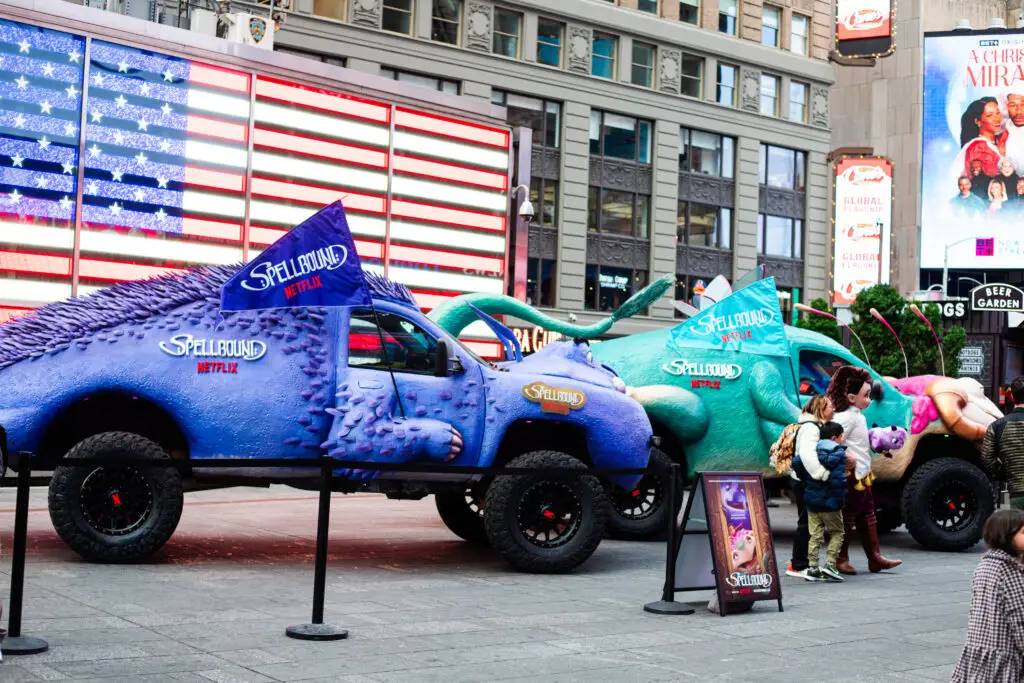
Mobile campaigns use LED trucks, glass display units, custom trailers, Airstreams, and 3D product replicas ranging from 12-foot glass trucks to 32-foot stage trailers. Custom builds create oversized product replicas like giant helmets or brand mascots.

Kings Hawaiian’s 2025 NFL tour brought slider sampling to football fans at tailgates using Airstreams, with a slider conveyor belt built inside a giant football helmet and an interactive football toss. Lime Media’s Clinique campus tour used a custom 24-foot stage truck to bring product exploration and beauty perks to colleges across DC, Miami, Georgia, Austin, and Canada.

GPS systems record routes, hours at each location, and impression counts through proprietary apps that provide real-time data. LED trucks with smart directional programming use geo-targeting data to list a nearby address with the brand’s message displayed on the LED truck to drive consumers to a nearby location.