Innovative marketing strategies reach customers where they already gather, rather than buying ad space and waiting. A glass truck parks outside a Texas college campus during move-in week, allowing students to examine new headphones through transparent walls, try them on, and take photos of the vehicle.
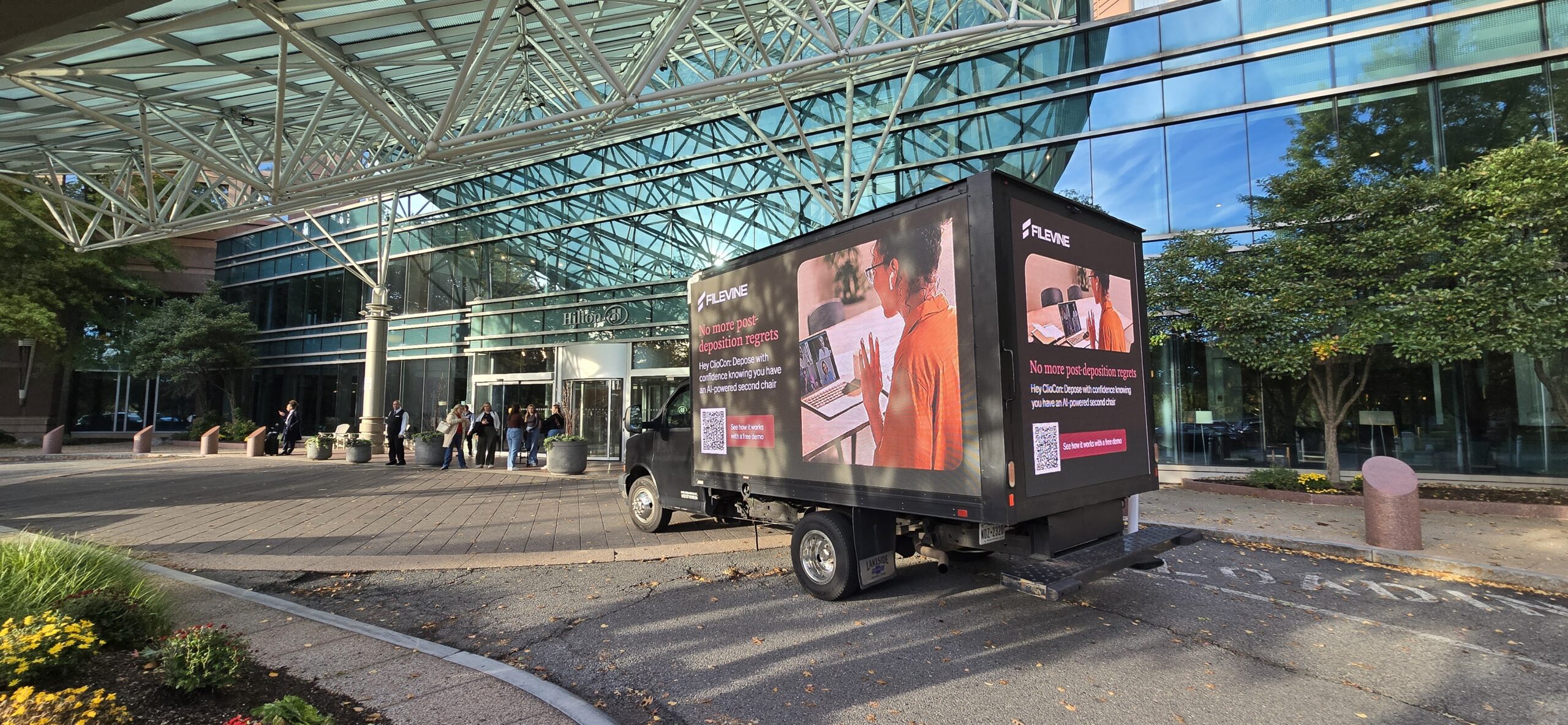
An LED truck changes displayed content based on GPS location, showing lunch specials near office buildings at noon and concert promotions near entertainment districts at night. A fleet of marketing vehicles creates moments where people interact with products in festivals, business districts, and on campuses.
What Are Innovative Marketing Campaigns
Marketing innovation finds new ways to reach people who may not notice standard advertising. Mobile vehicles position products at festivals, college campuses, and business districts where audiences already spend time:
- Product Sampling Campaigns: Beverage companies send sampling teams to music festivals where attendees can try products and take samples home
- Mobile Showrooms: Skincare brands build transparent showrooms that travel to college move-in weeks so students can test products before buying
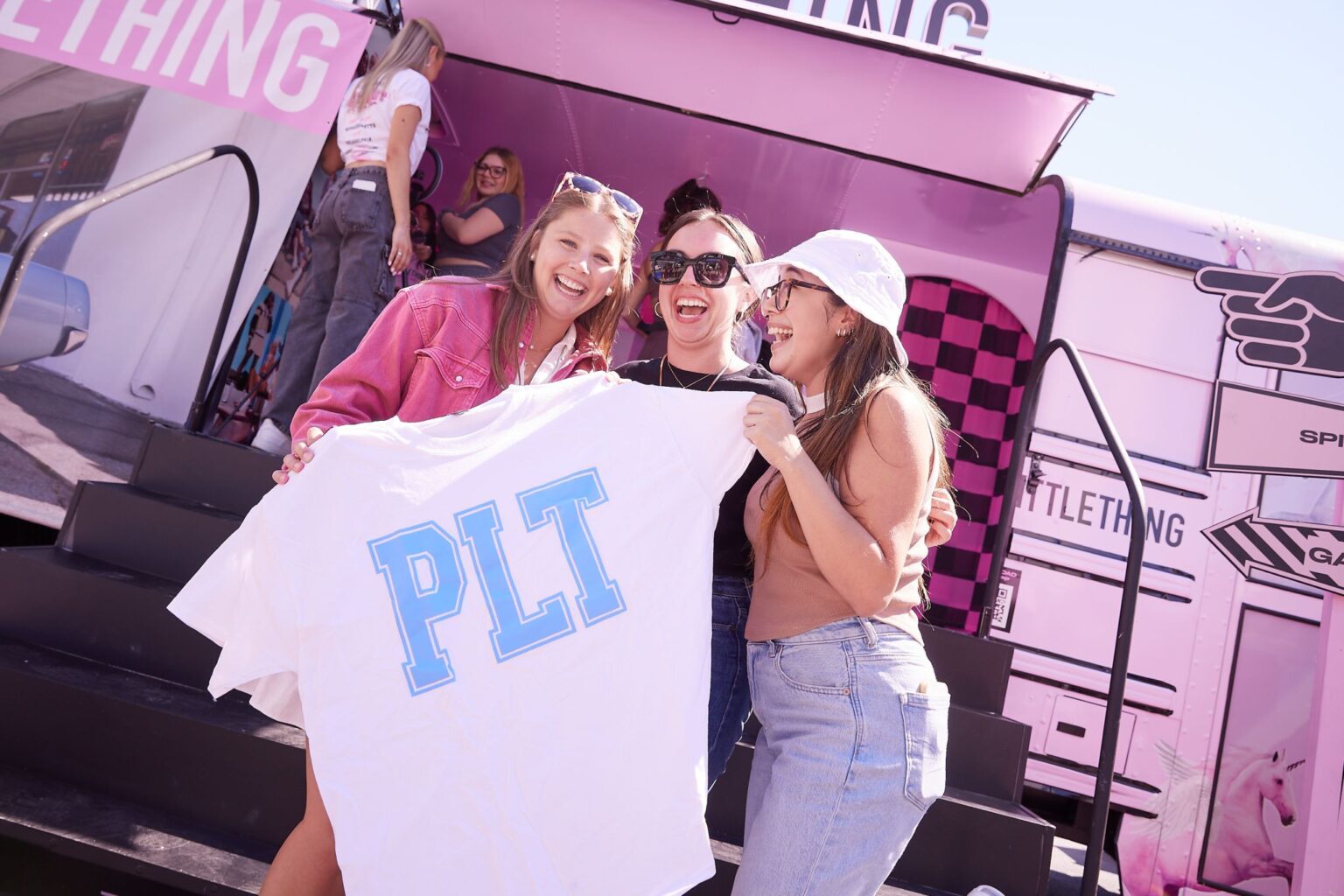
- Photo-Worthy Experiences: Someone trying a product sample at a street fair photographs the experience, shares it with friends, and remembers the brand weeks later when shopping
Meeting Customers Where They Gather
Timing determines whether people stop or keep walking. Festival attendees moving between stages pause to examine unusual vehicles and collect samples. Mobile campaigns reach audiences at moments when they have time to interact with products and take photos.
Building Recognition Through Visibility
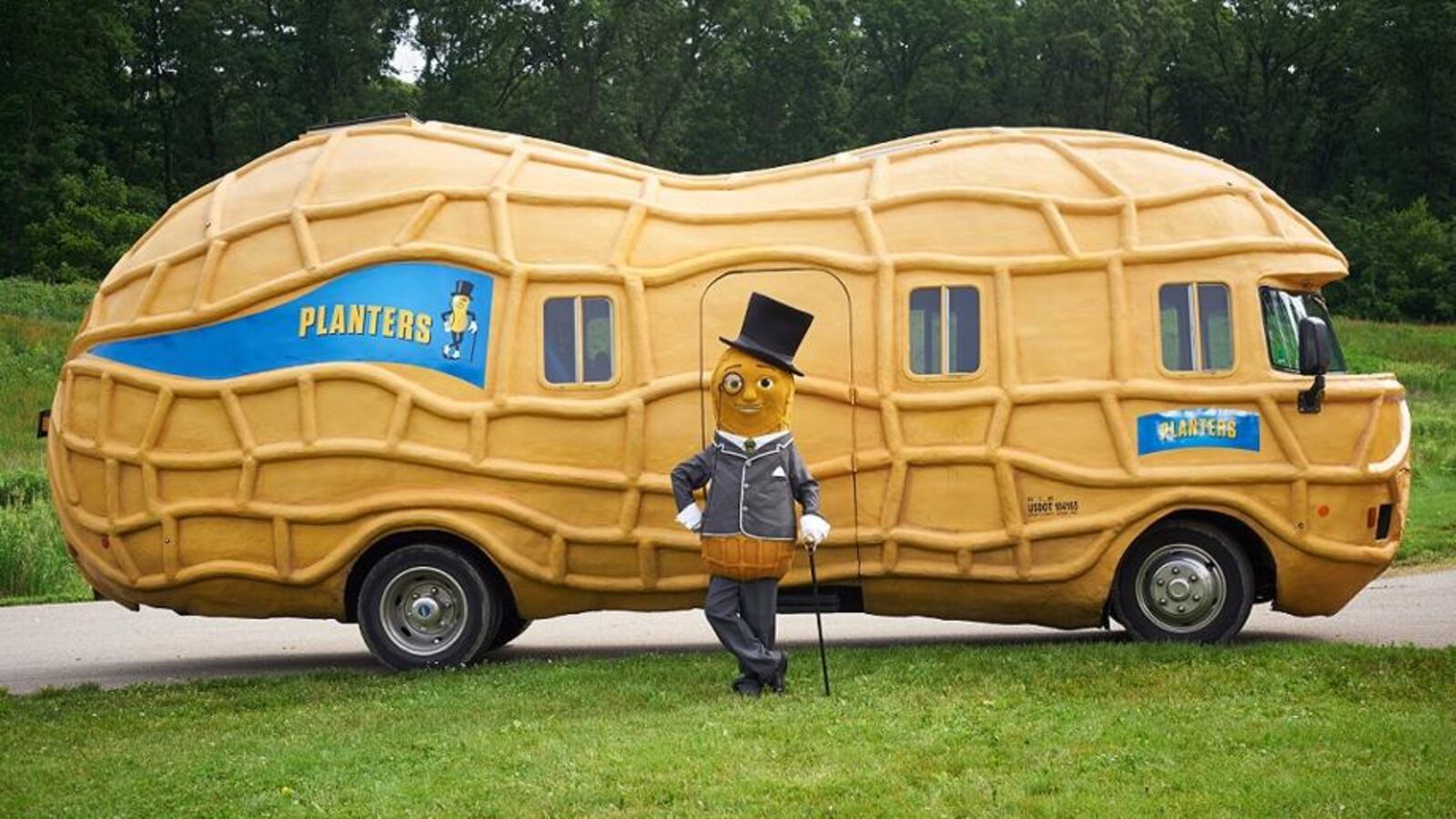
A 24-foot glass truck displaying products through floor-to-ceiling windows stands out in parking lots and event spaces. Someone walking past photographs a giant driving almond or oversized lipstick tube on wheels and shares it on social media.
Custom 3D product replicas turn standard items into mobile displays. A snack brand builds an oversized chip bag that parks at college campuses. A cosmetics company creates a giant lipstick tube that drives through shopping districts. These builds use steel frames, foam sculpting, fiberglass, and vinyl wrapping to create product shapes that function as drivable vehicles.
Planning Mobile Campaigns for Target Audiences
Mobile campaigns require audience identification, location selection, and performance tracking. A tech company launching headphones sends glass trucks to college campuses where students can try products, parks near music venues during concerts, and uses GPS data to see which locations generate the most interaction:
Route Planning for Target Audiences
Energy drink brands send sampling teams to college campuses during finals week and music festivals in the summer. Luxury skincare brands set up at farmers’ markets in affluent neighborhoods and wellness events downtown. Campaign planning maps show where specific audiences spend time, and then schedule vehicles to arrive when crowds gather.
Tours across multiple cities adjust to regional patterns. A food sampling campaign will visit Austin, Dallas, and Houston parks in business districts during weekday lunches in Dallas, positions near evening food events and weekend markets in Austin, and cover sprawling suburban shopping centers across Houston’s geography.
Interactive Product Demonstrations
Sampling stations located inside climate-controlled vehicles provide customers with a space to test products. Demonstration types vary based on product category and interaction time:
- Sampling Stations: Cosmetics brands set up testing areas in step vans with serving windows where people try items and take samples home, and beverage companies use greenhouse trailers where passersby watch bartenders mixing drinks before tasting
- Tech Demonstrations: Phone manufacturers use glass trucks to display devices while representatives explain features, and gaming companies bring stage trailers to campuses with multiplayer stations where students test new releases
- Extended Interaction Spaces: Tech demonstrations require vehicles with room for equipment and seating, since product testing takes longer than sampling food or beverages
Performance Tracking and Data
GPS monitoring shows where campaigns reach customers and which locations generate the most traffic. An LED truck displaying rotating content tracks how many people stop at different intersections. Comparing downtown corridors to suburban centers shows which areas produce better engagement for future routes.
Vehicle Types for Mobile Campaigns
Glass trucks let people see products through transparent walls. LED trucks display video content that changes according to the location. Stage trailers create spaces for product demonstrations and events:
Transparent Display Vehicles
Glass vehicles show products to people without requiring them to enter. Glass vehicle types serve specific event sizes and locations:
- Glass Truck Panels: Fashion brands display clothing collections through transparent walls so shoppers see merchandise from the sidewalk, and tech companies open glass gullwing step vans from both sides to create walk-through showrooms at events
- Glass Pods: Compact units that fit into farmers’ markets and sporting events where full-size trucks cannot park, used by beverage brands for sampling stations and cosmetics companies for product displays
- Display Configurations: Products arranged on shelves visible through glass walls so passersby can examine items before approaching brand representatives
Digital LED Billboard Trucks
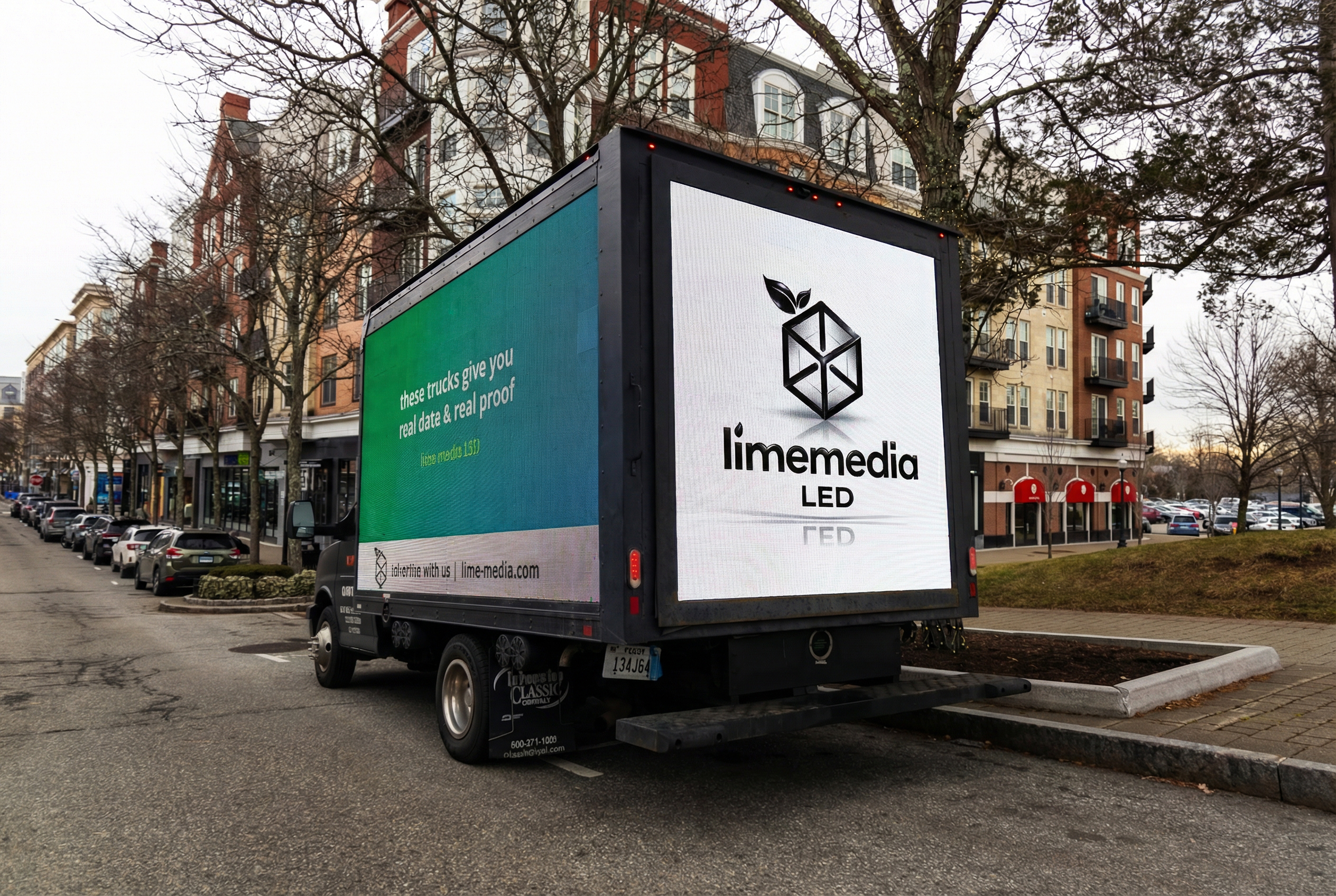
LED billboard trucks display content that changes according to their GPS location. These trucks are great for any type of business to display a message that meets their consumers where they are at. A restaurant group’s truck shows breakfast specials near residential areas during morning commutes, lunch options near business districts at midday, and dinner promotions near entertainment zones at night. The trucks run on 25KW generators and display content on 11-foot side panels and 7-foot rear screens.
Campaign managers can remotely change the displayed content through apps. A retail brand tests two promotional messages to determine which one gets more attention and updates all trucks to show the stronger message. GPS data shows which neighborhoods and times of day produce the most interaction.
Event-Ready Mobile Stages
Stage trailers create spaces for product demonstrations and performances at festivals and events. One trailer opens both sides to reveal a platform for live demonstrations. Wheelchair-accessible stage trailers meet ADA requirements for brands hosting public events.
Expandable trailers offer ample space for brands hosting multi-hour activations. A gaming company sets up demo stations inside with seating for players. A beauty brand creates separate areas for product testing and photos. The trailers expand once parked to double their interior floor space.
Technology Behind Mobile Campaigns
GPS tracking, content management systems, and custom fabrication shape how mobile campaigns operate. GPS coordinates trigger content changes on LED displays based on location. Campaign managers upload new creative through apps. Custom builds turn standard vehicles into branded displays:
GPS-Based Content Targeting
Route optimization software identifies productive paths through cities. Historical data shows which streets generate foot traffic during specific hours. A morning route through residential neighborhoods transitions to business districts for lunch, followed by shopping areas in the afternoon, and entertainment zones in the evening.
Custom Vehicle Fabrication
Building custom 3D product replicas takes 600-2000+ labor hours, depending on complexity. The process uses steel frames, foam sculpting, fiberglass, and vinyl wrapping to create product shapes that meet DOT compliance, highway safety standards, and height restrictions. Standard vehicles also get modified to create mobile brand activations:
- Custom 3D Product Replicas: Giant coffee cups, oversized smartphones, and product-shaped vehicles built using steel frames, foam sculpting, fiberglass, and vinyl wrapping that meet highway safety and height restrictions
- Gullwing Door Modifications: School buses fitted with large side-opening doors that create display spaces for brand activations
- Serving Window Installations: Airstreams and vintage vehicles converted into sampling stations that park at festivals and college campuses
Campaigns Across Multiple Cities
Campaigns across the US and Canada coordinate permits, insurance, staffing, and logistics for multiple vehicles. A product launch involves sending LED trucks to ten cities simultaneously, glass trucks to college campuses in fifteen markets, and stage trailers to major festivals.
Reporting from all active campaigns reveals which cities generate the most interaction, which vehicle types are most effective for specific products, and how different neighborhoods respond to messaging. Campaign managers use this information to adjust routes and vehicle assignments.
Case Studies: Mobile Marketing Campaigns in Action
Mobile marketing campaigns combine vehicle selection, route planning, and audience targeting to create brand experiences. The following campaigns show how different vehicle types and activation strategies reach specific audiences:
Walmart Style Tour
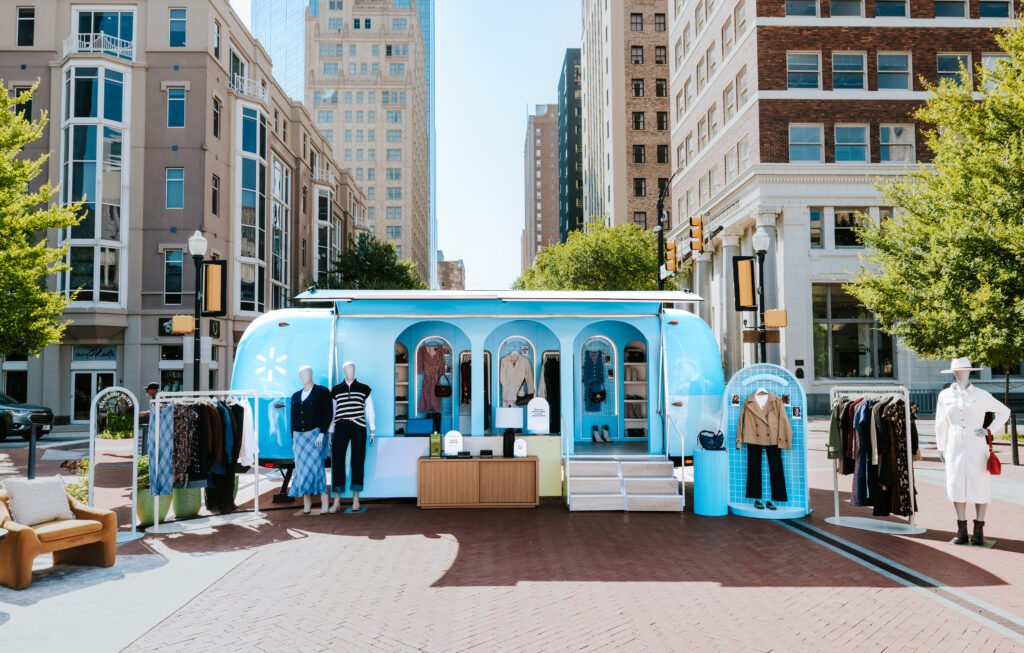
Walmart’s fall fashion tour featured eight identical, custom-fabricated gullwing Airstreams traveling to more than 40 cities across the US between September and November 2024. Each Airstream was built in four weeks with two-toned blue exteriors, custom cabinetry, interior vinyl wrap, specialized lighting, and laminate flooring.
The mobile showrooms displayed curated looks, like “Utility Chic” and “Denim on Denim,” with QR codes that allowed visitors to browse collections in person and order items for home delivery. The tour was positioned at shopping centers during peak weekend traffic and on college campuses during back-to-school weeks.
CeraVe Drama-Free Cleansing Tour
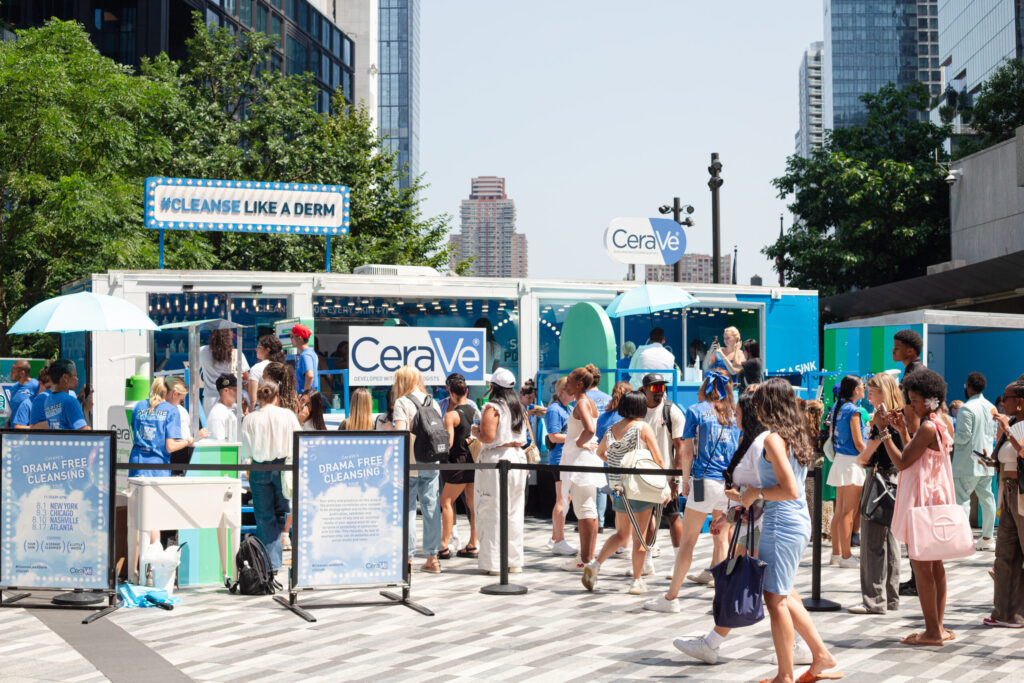
CeraVe brought its “Cleanse Like a Derm” campaign to New York, Chicago, Nashville, and Atlanta using a 32-foot stage trailer styled as a soap opera set. The tour featured certified dermatologists providing skin consultations, interactive games, city-specific giveaways, and a branded green screen photo booth.
The four-city activation distributed 25,000 CeraVe products, directly engaged 16,000+ consumers, and generated 60 million social impressions. Attendees photographed themselves with dermatology-themed props and shared content organically without brand prompting.
Innovative Marketing Strategies With Lime Media
Lime Media operates 250+ mobile vehicles, including LED trucks, glass display units, custom trailers, and 3D product replicas. We handle everything from vehicle fabrication and route planning to staffing and activation management across the US and Canada. Our custom builds include giant driving almonds, monster trucks, gold bars, and product-shaped vehicles that people photograph and share. Contact us to discuss your next mobile campaign.
Frequently Asked Questions
What is innovative marketing?
Innovative marketing utilizes mobile campaigns to facilitate face-to-face interactions with products. Glass trucks, LED displays, and custom 3D product replicas travel to festivals, college campuses, and business districts, where people can try products and take photos.
How do companies use innovative marketing strategies?
Companies send mobile vehicles to specific locations based on GPS tracking and audience behavior data. A beverage brand sends sampling teams to music festivals while a tech company uses glass display trucks at college move-in weeks to reach students examining new devices.
Why does innovative marketing generate customer engagement?
Mobile campaigns create moments where people interact with products directly. Someone trying a sample at a street fair or photographing an unusual vehicle remembers that brand weeks later when shopping.